Elementary Student Teaching
Habitats: An Ecology and Literacy Integrated Art Lesson
Four Day Fourth to Sixth Grade Lesson Plan taught at Irma C. Ruiz Elementary in CPS
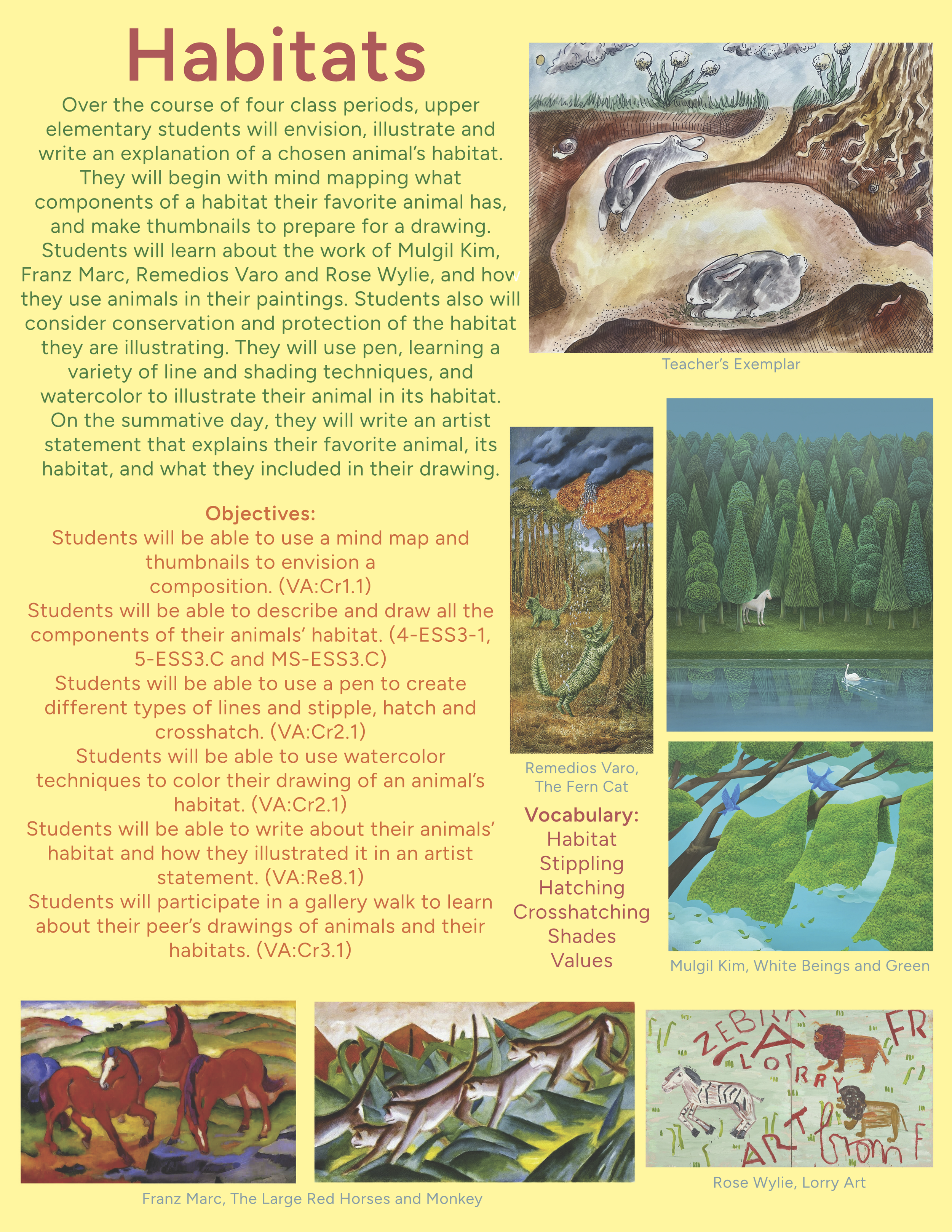
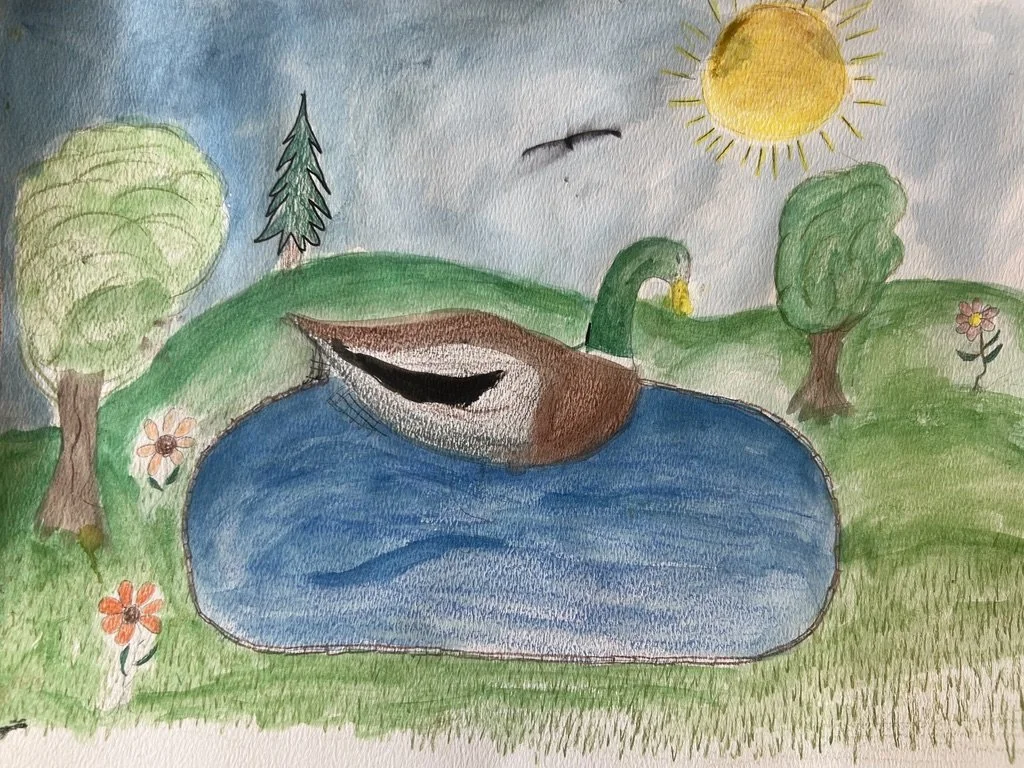
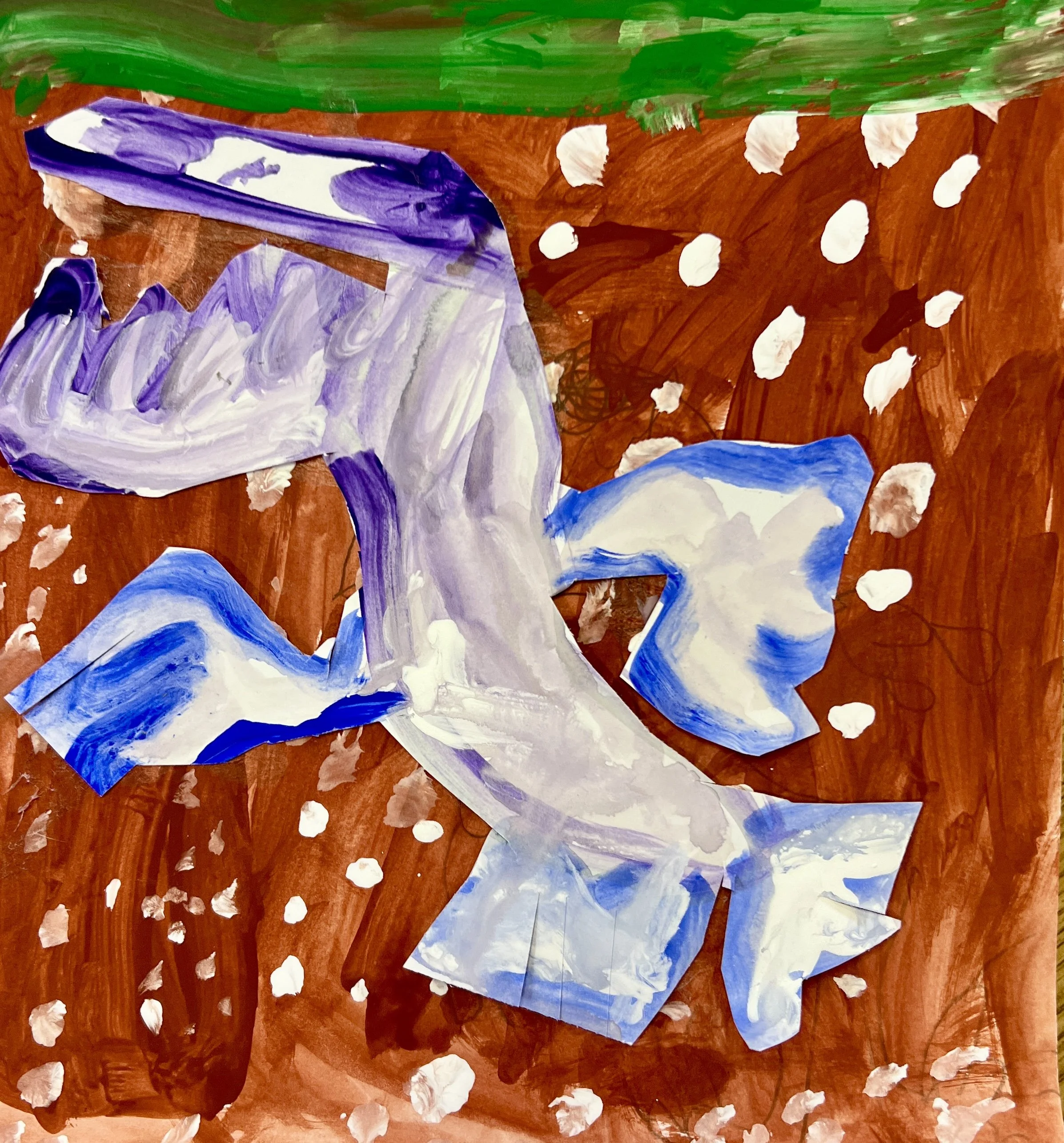
Over the course of four class periods, upper elementary students will envision, illustrate and write an explanation of a chosen animal’s habitat. They will begin with mind mapping what components of a habitat their favorite animal has, and make thumbnails to prepare for a drawing. Students will learn about the work of Mulgil Kim, Franz Marc, Remedios Varo and Rose Wylie, and how they use animals in their paintings. Students also will consider conservation and protection of the habitat they are illustrating. They will use pen, learning a variety of line and shading techniques, and watercolor to illustrate their animal in its habitat. On the summative day, they will write an artist statement that explains their favorite animal, its habitat, and what they included in their drawing.
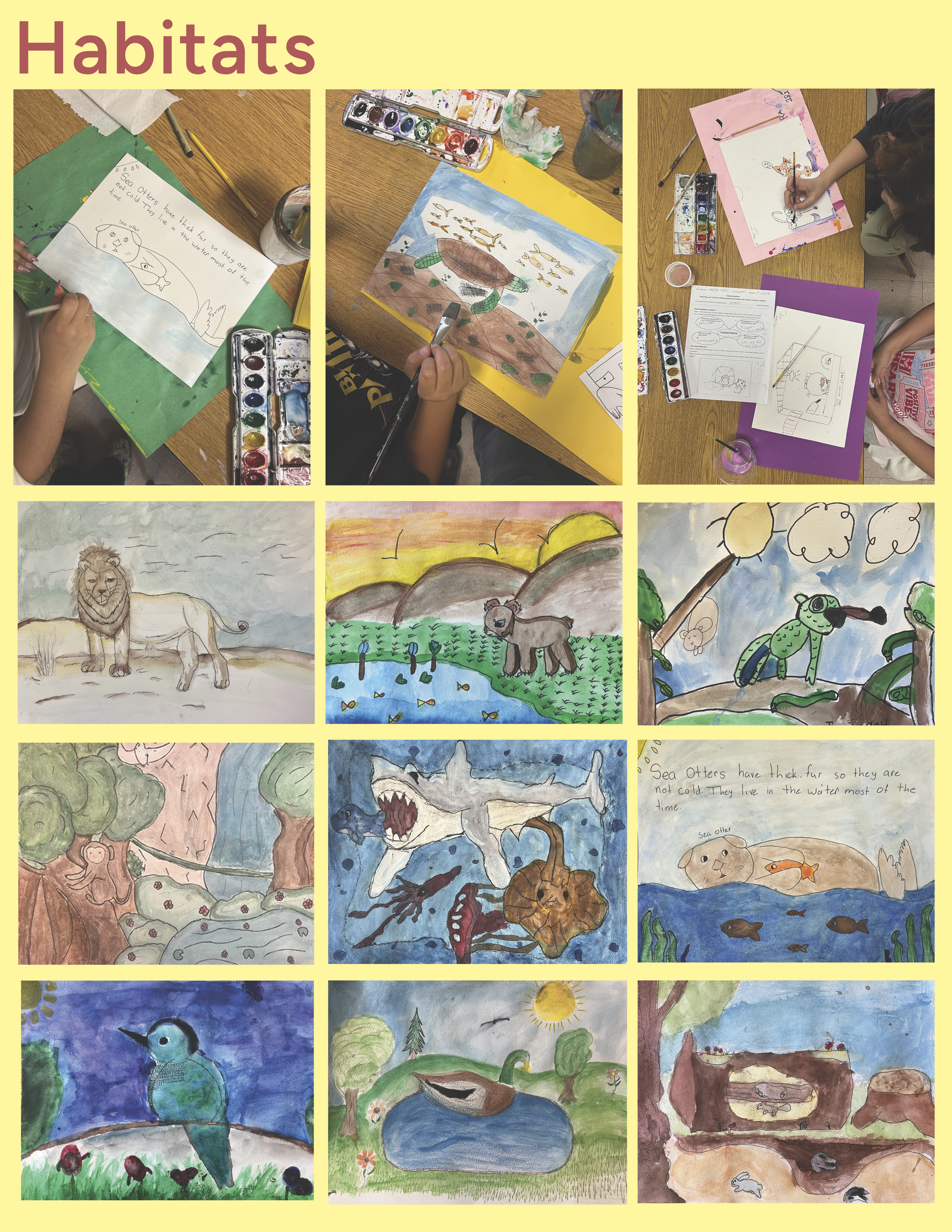
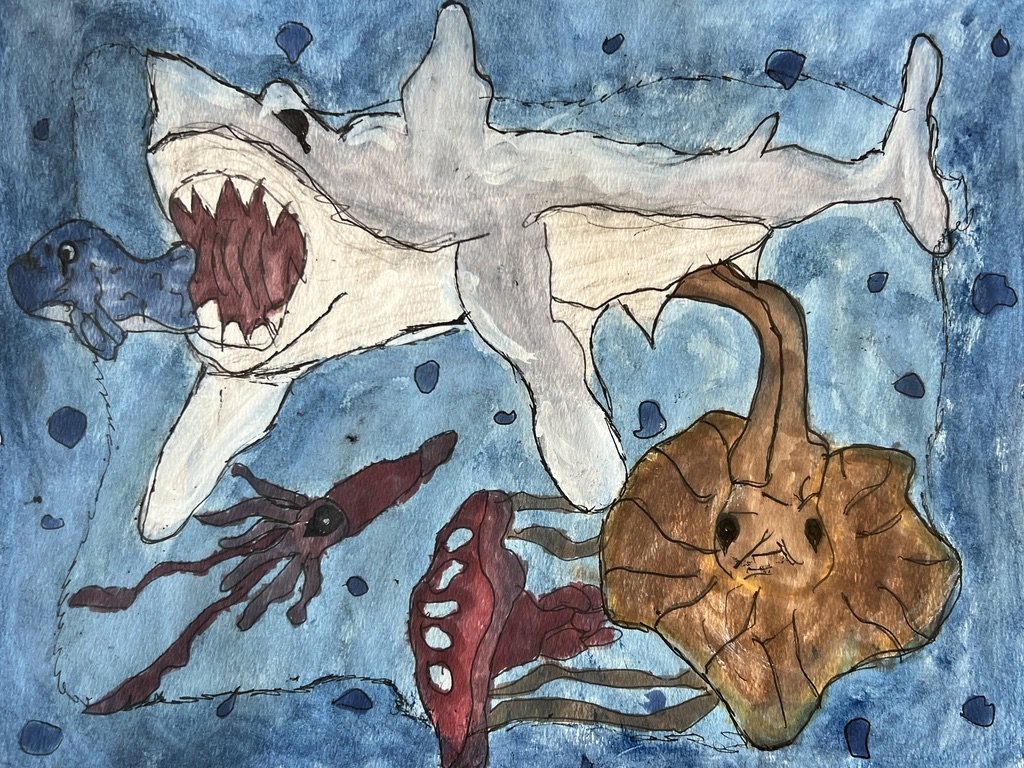
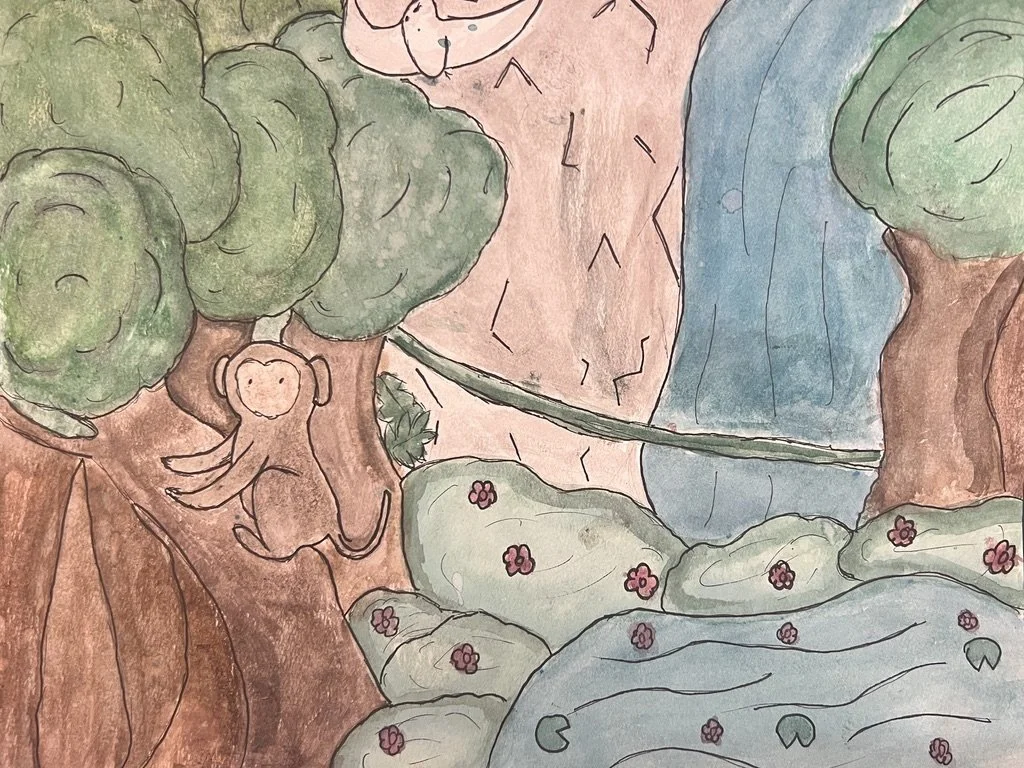
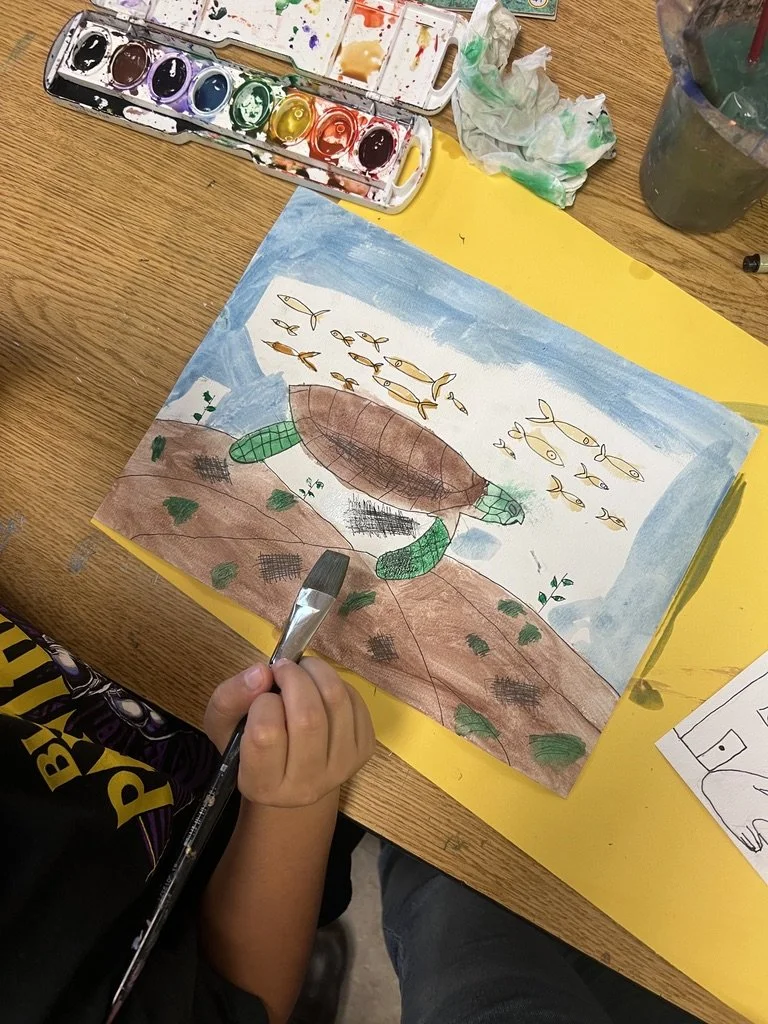
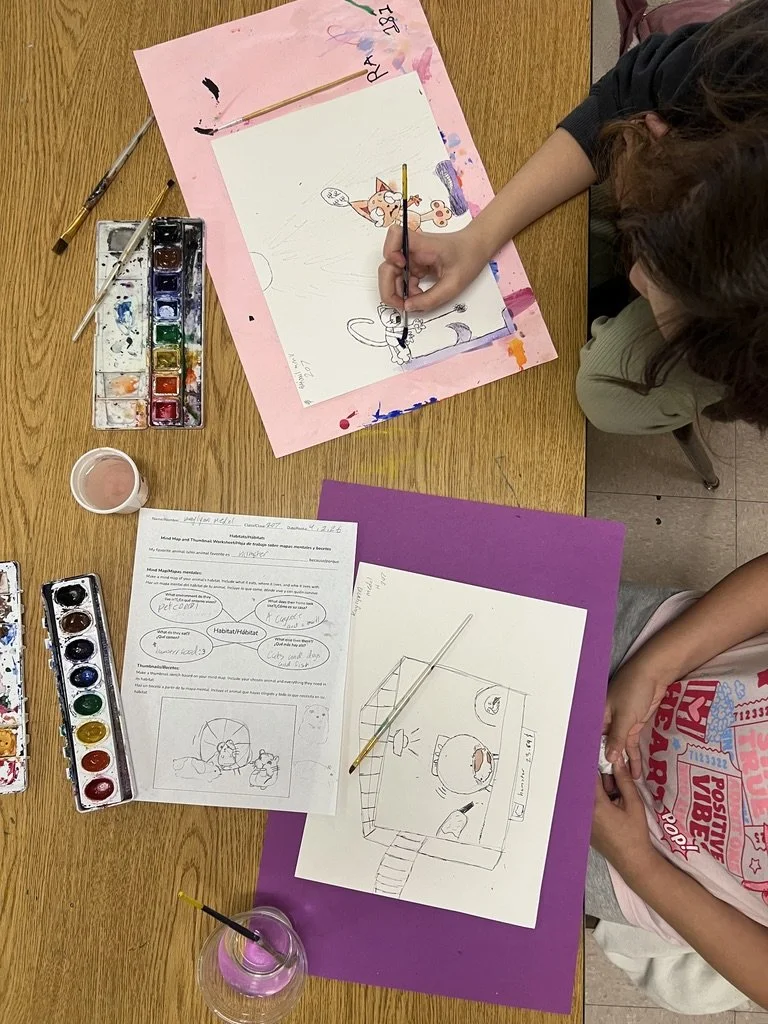
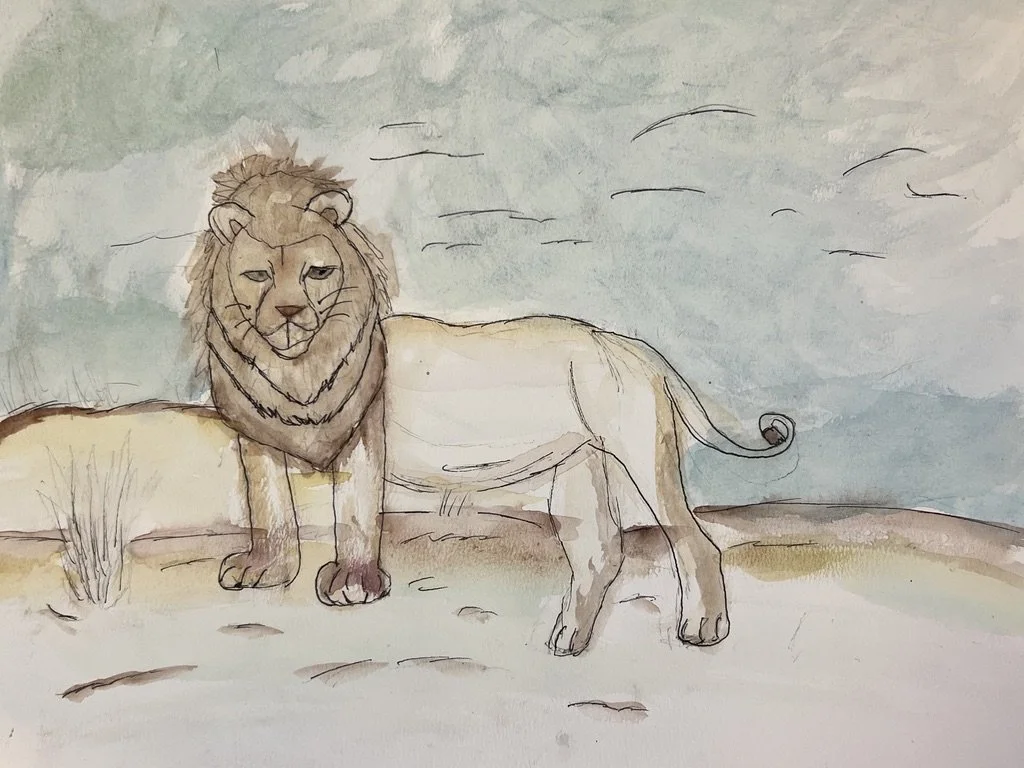
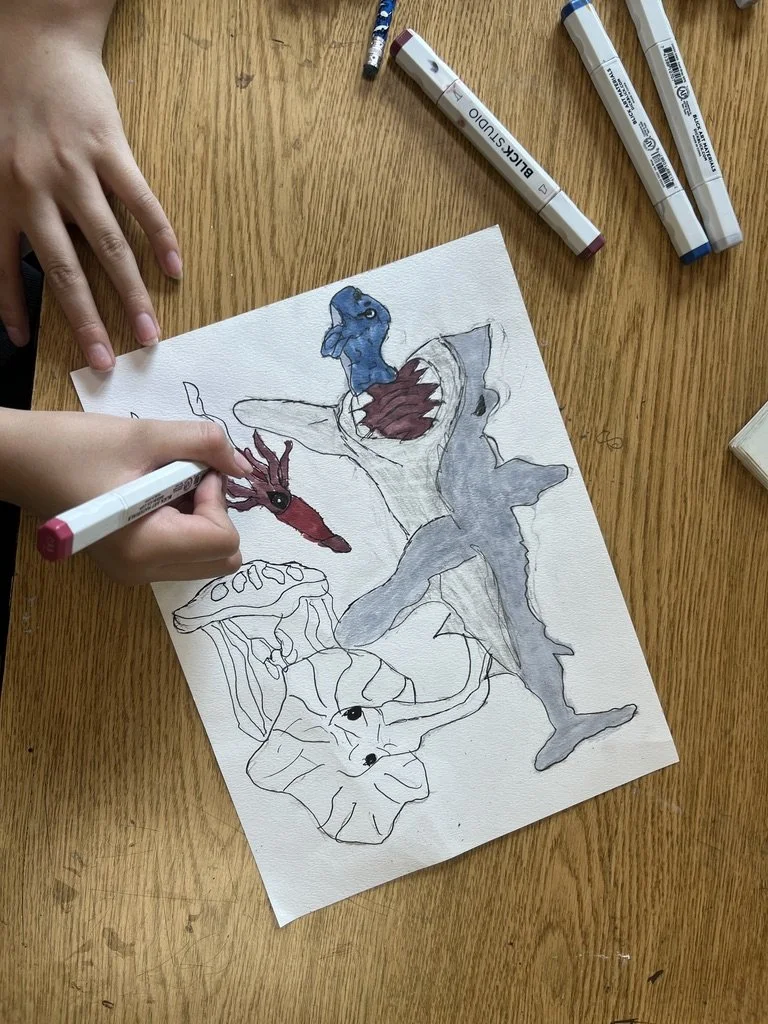
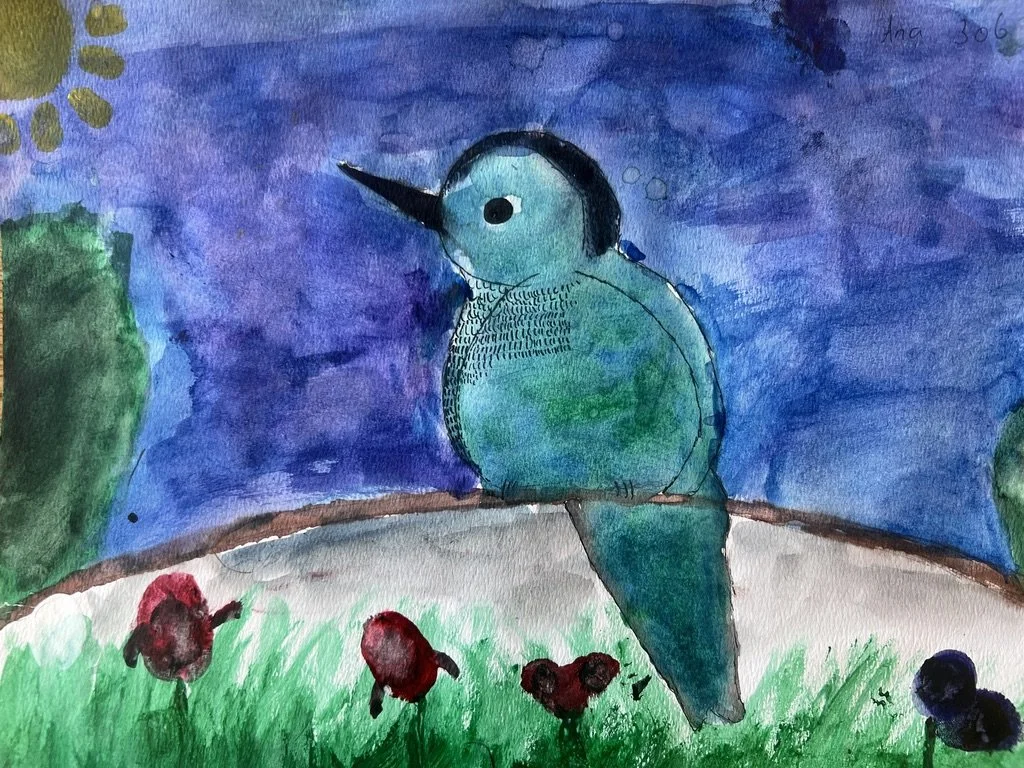
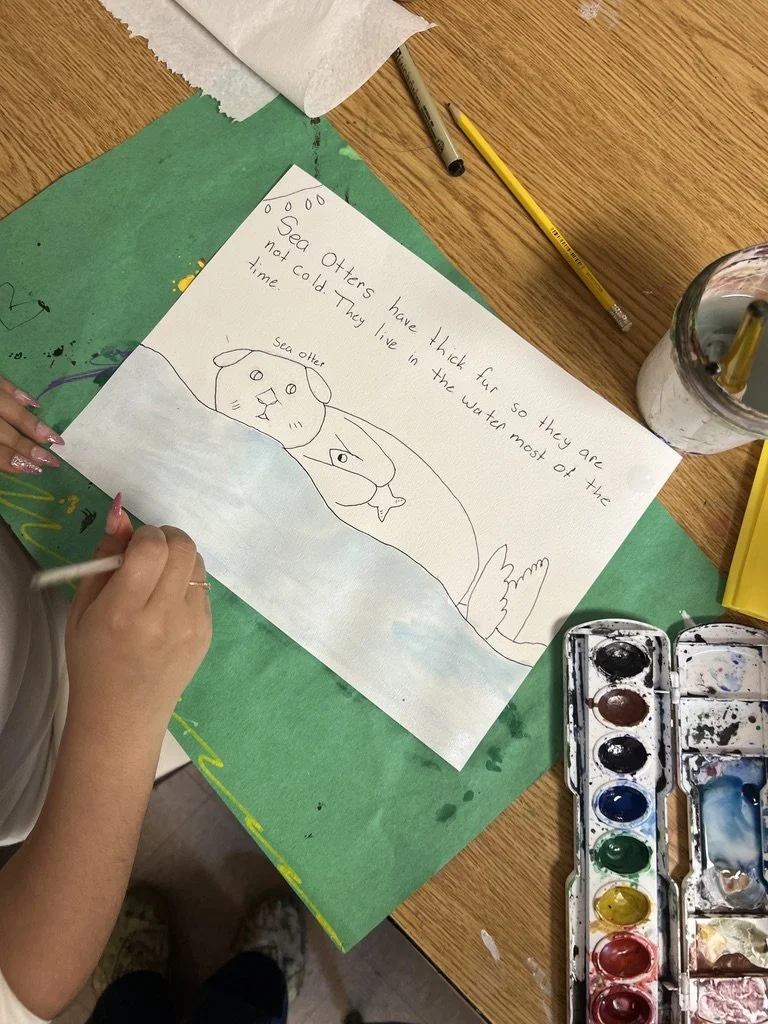
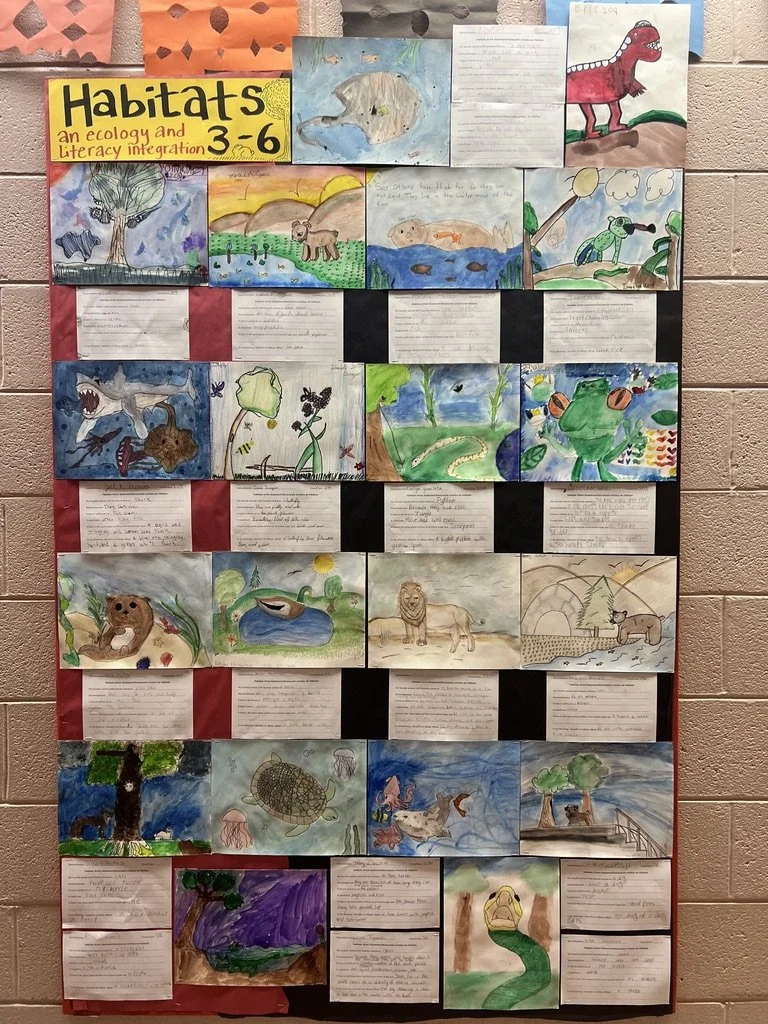
Bulletin board showcasing student work and artist statements
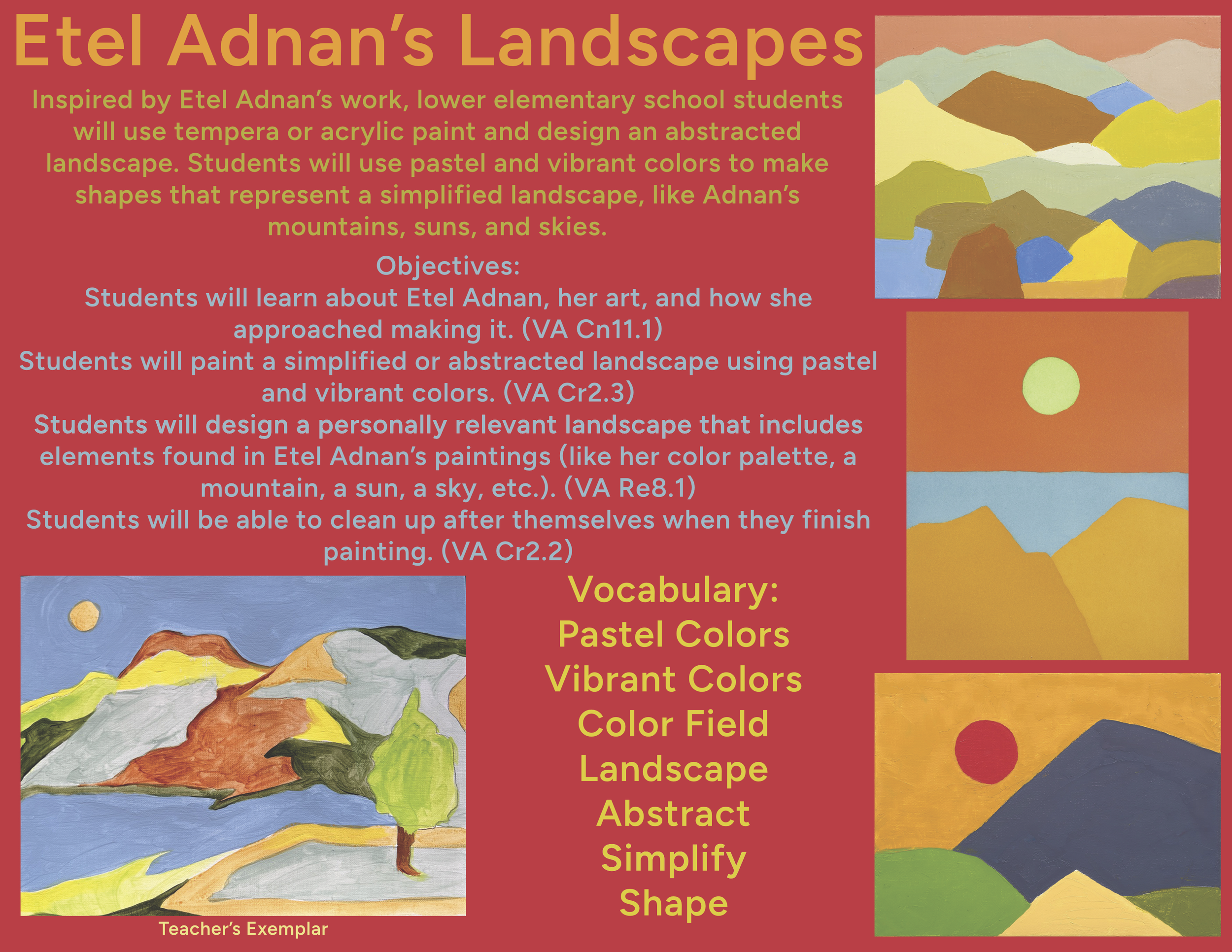
Etel Adnan’s Landscapes
Kindergarten to Second Grade Lesson Plan taught at Irma C. Ruiz Elementary in CPS
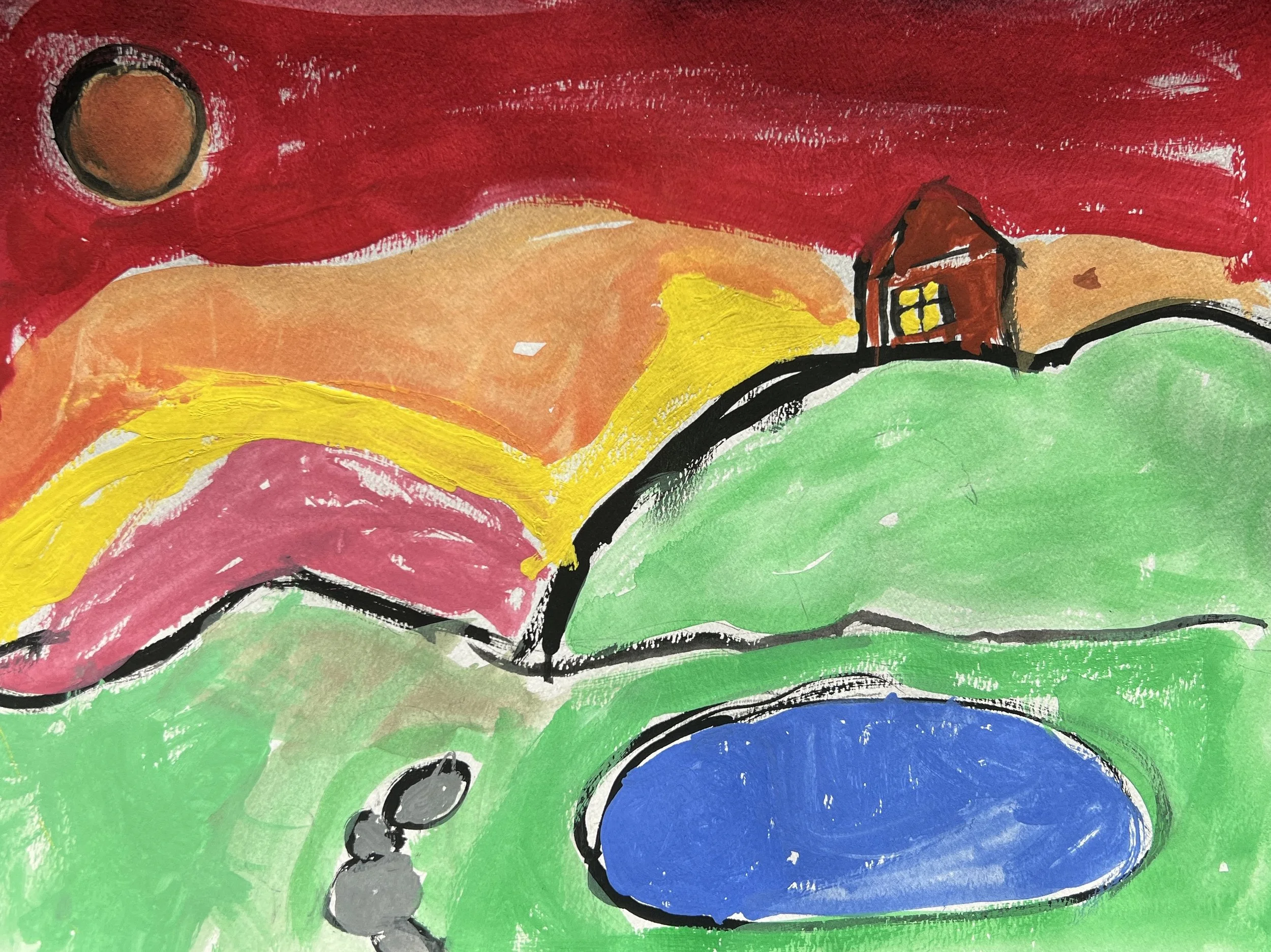
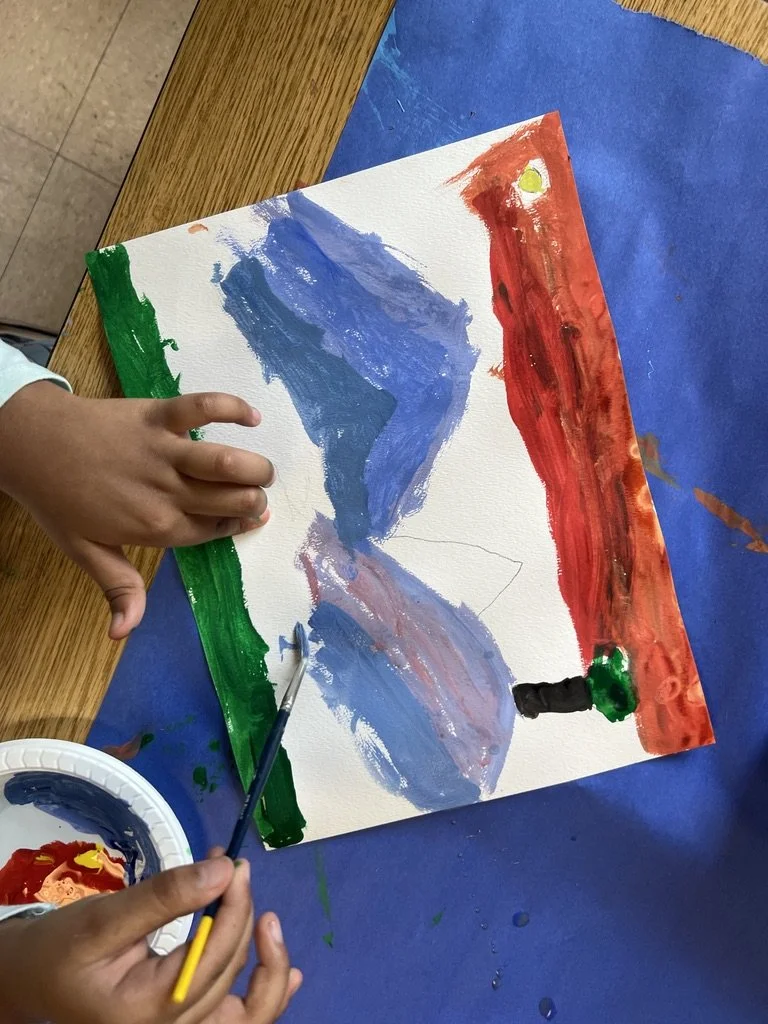
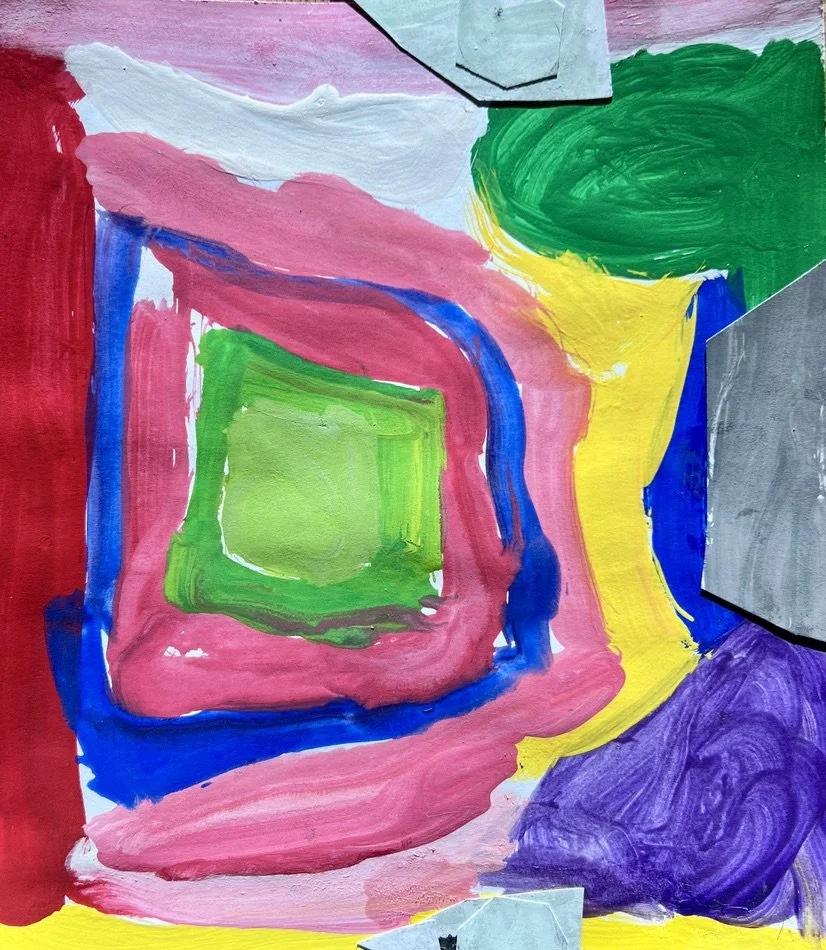
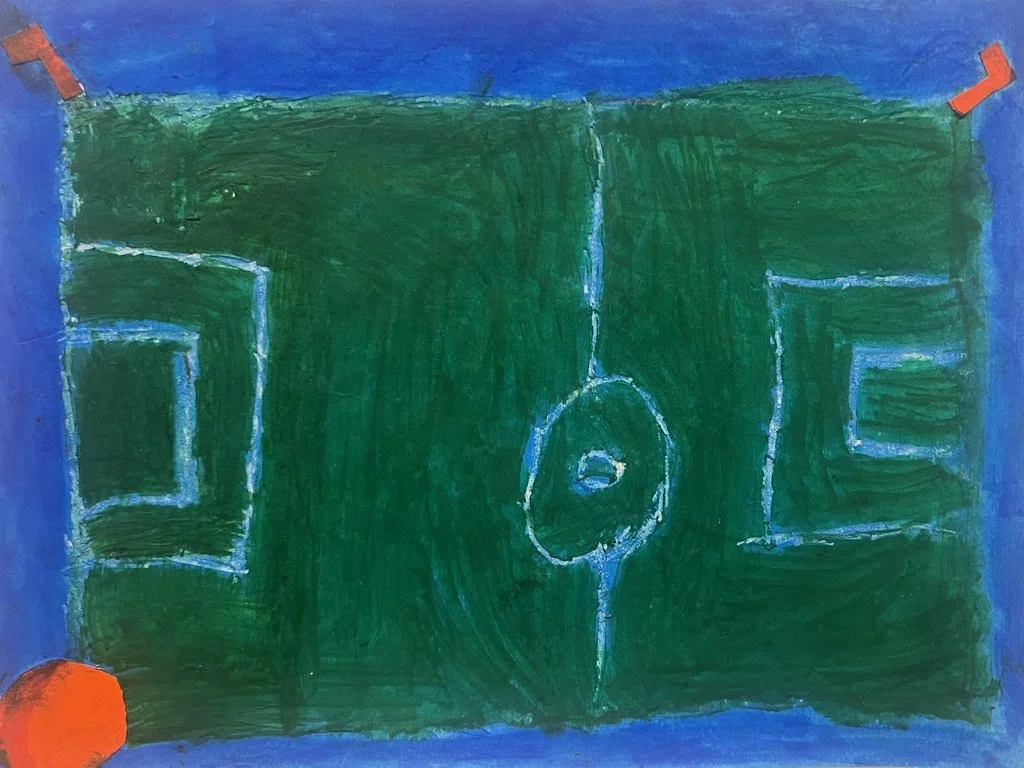
Inspired by Etel Adnan’s work, lower elementary school students will use tempera or acrylic paint and design an abstracted landscape. Students will use pastel and vibrant colors to make shapes that represent a simplified landscape, like Adnan’s mountains, suns, and skies.
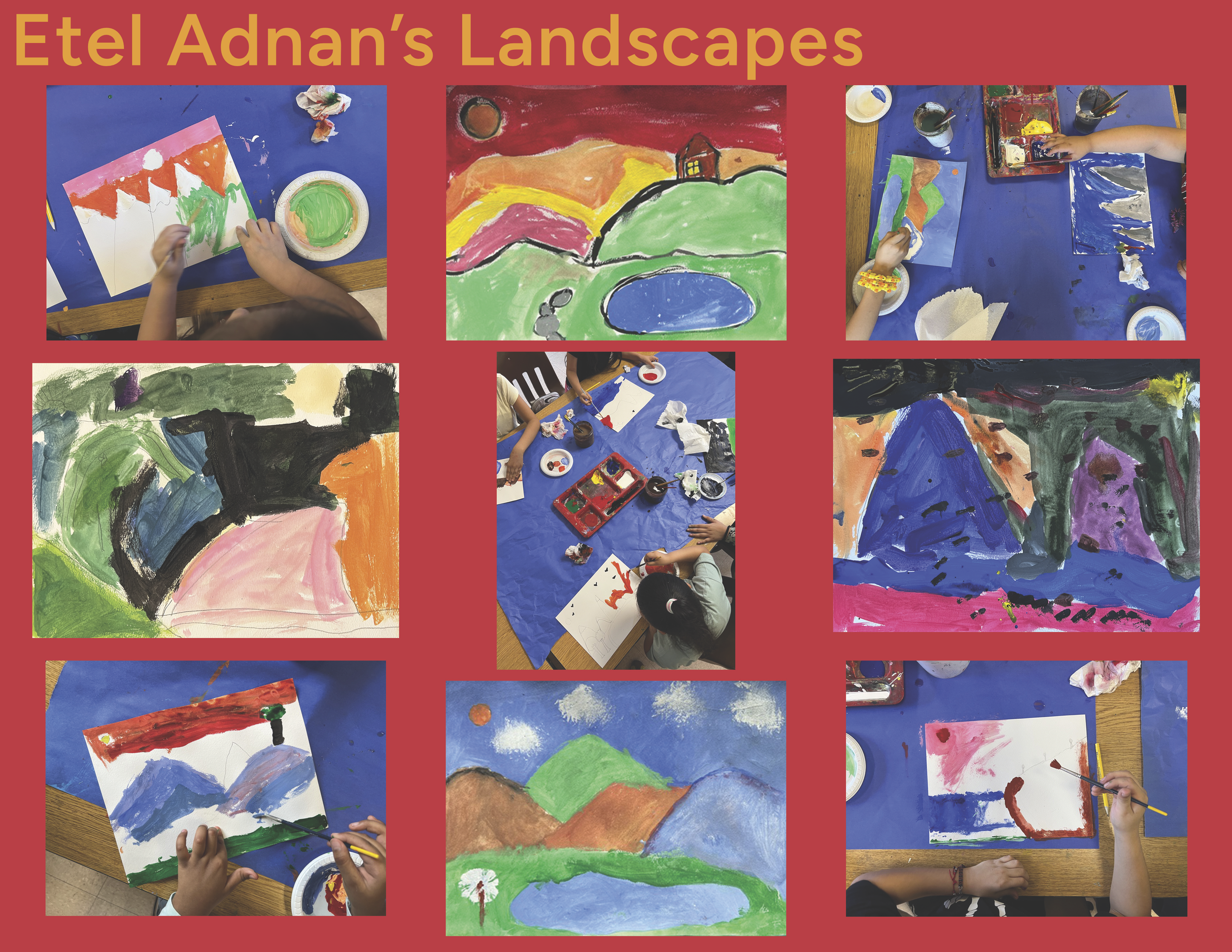
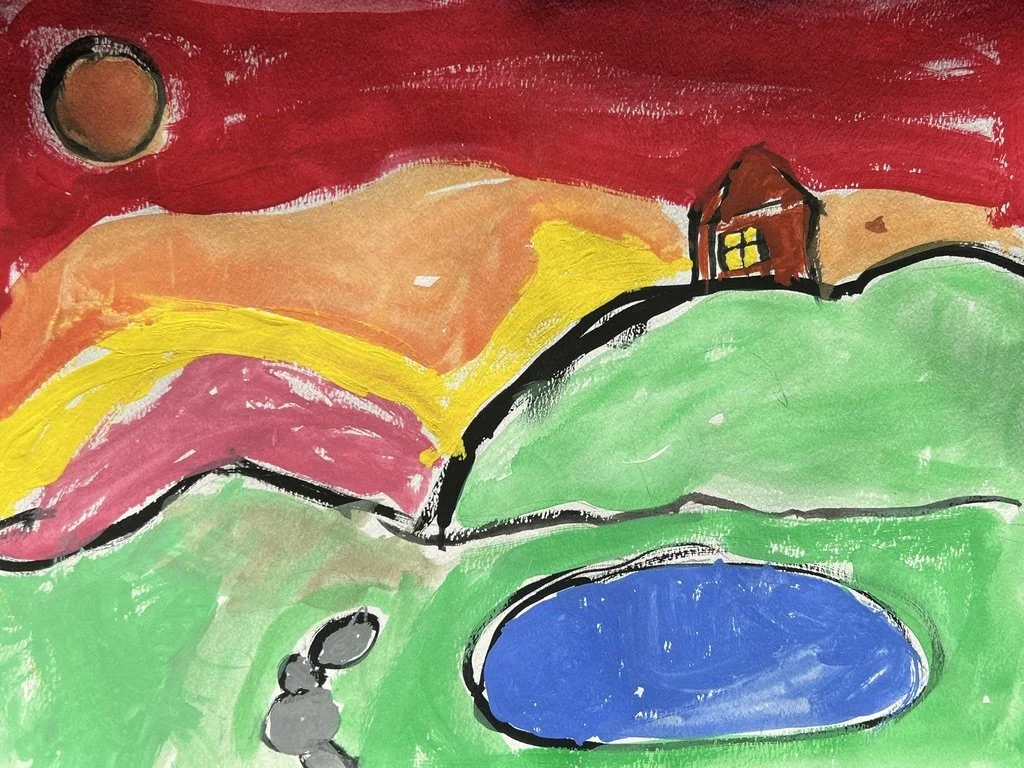
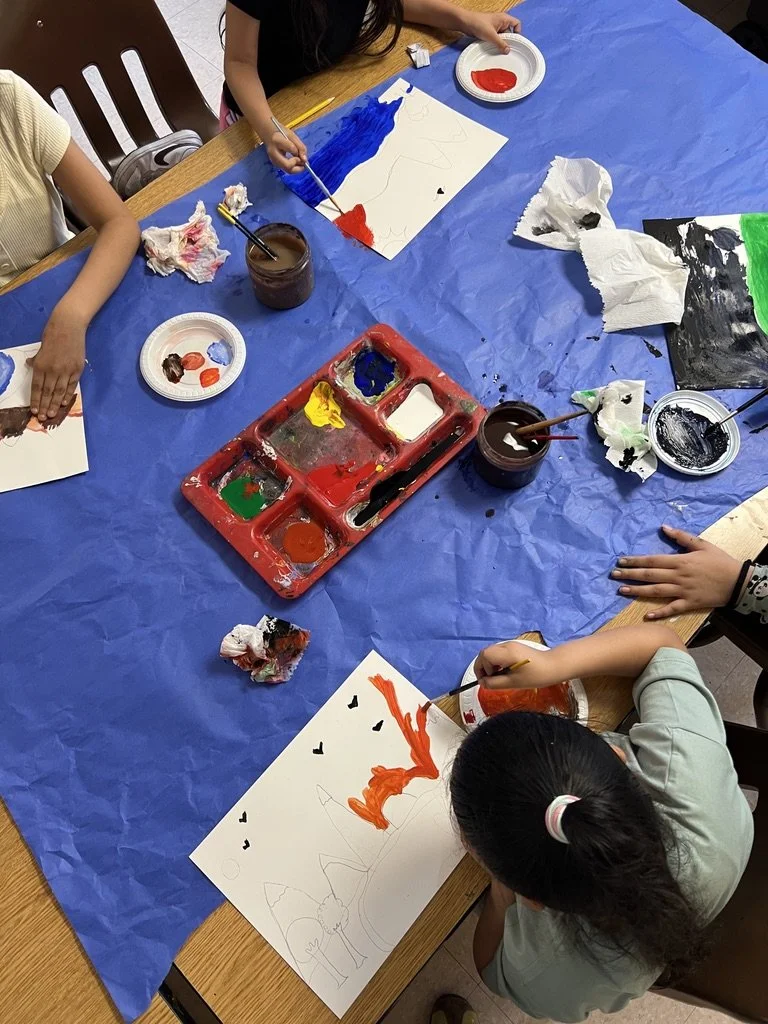
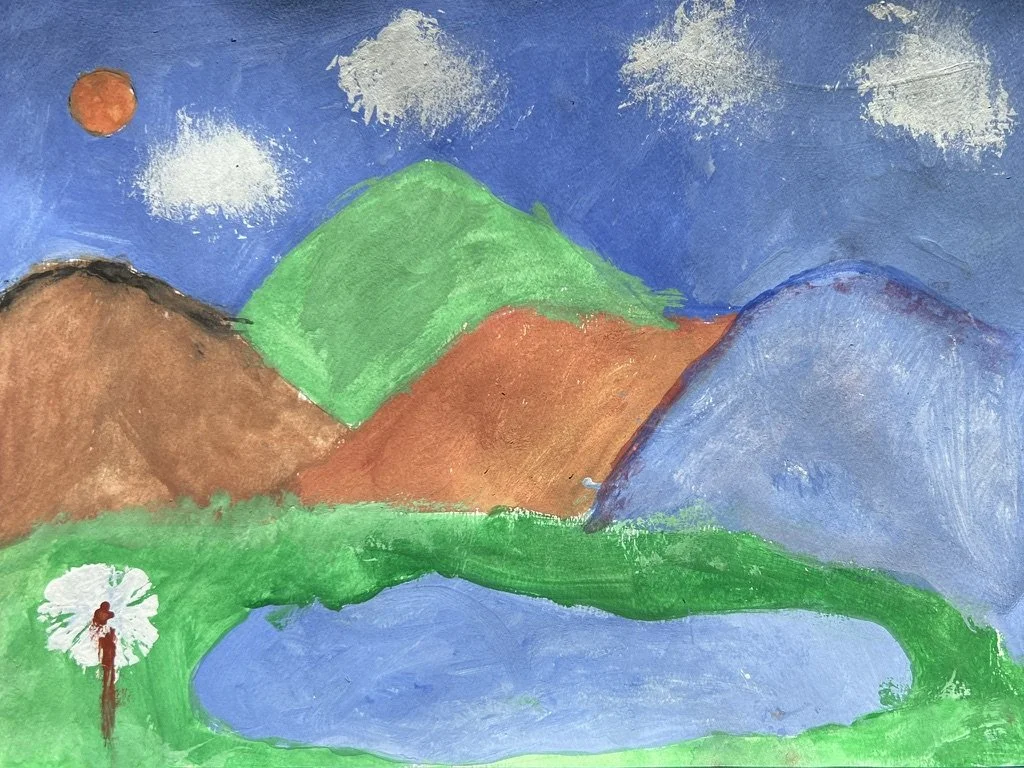
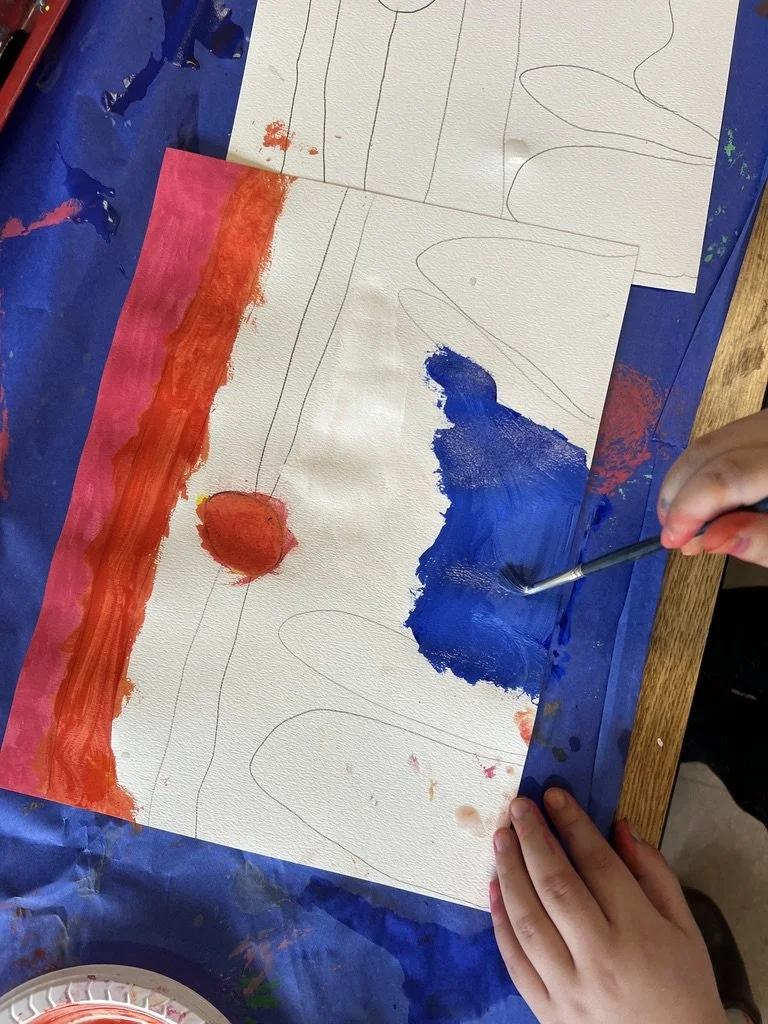
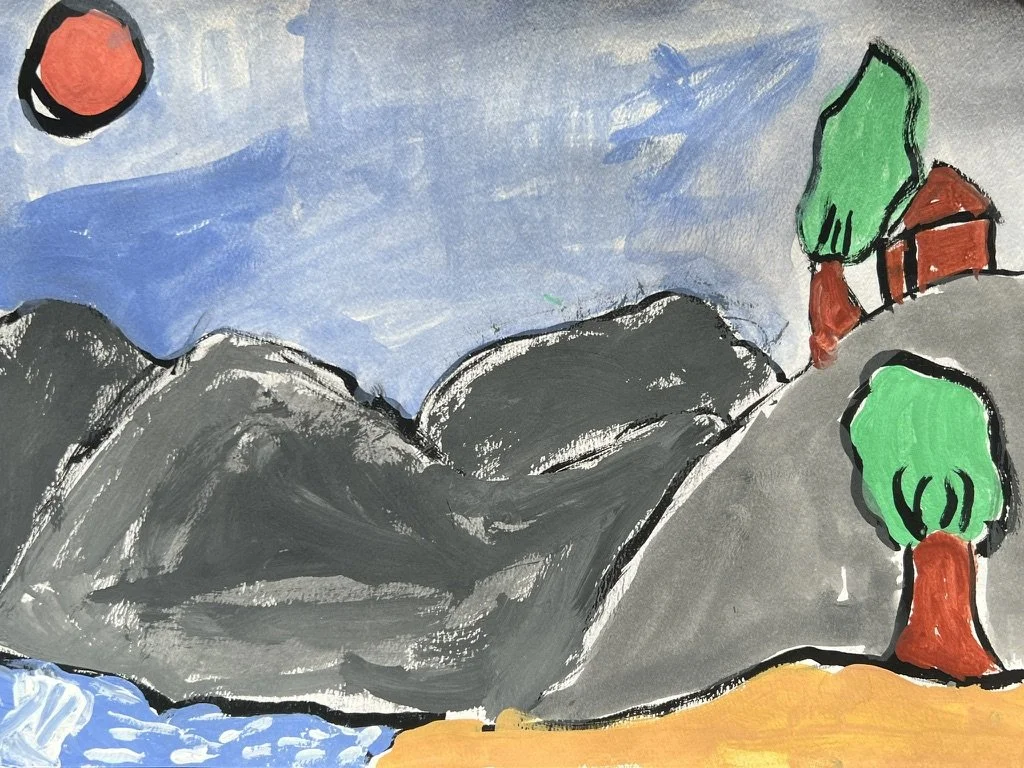
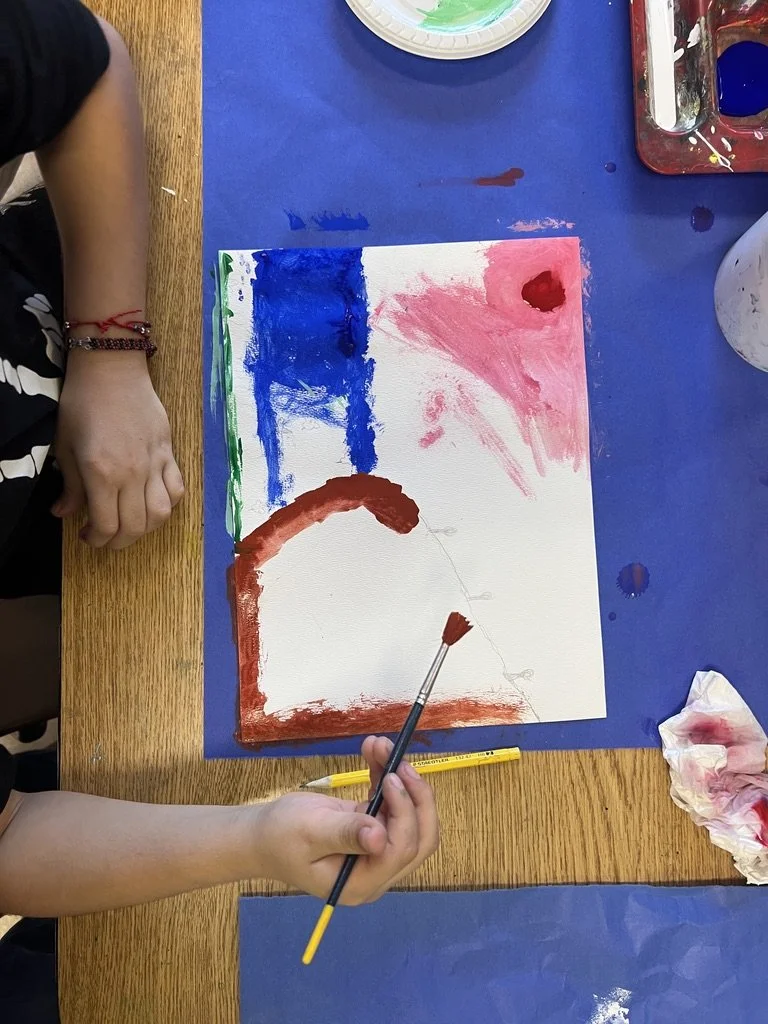
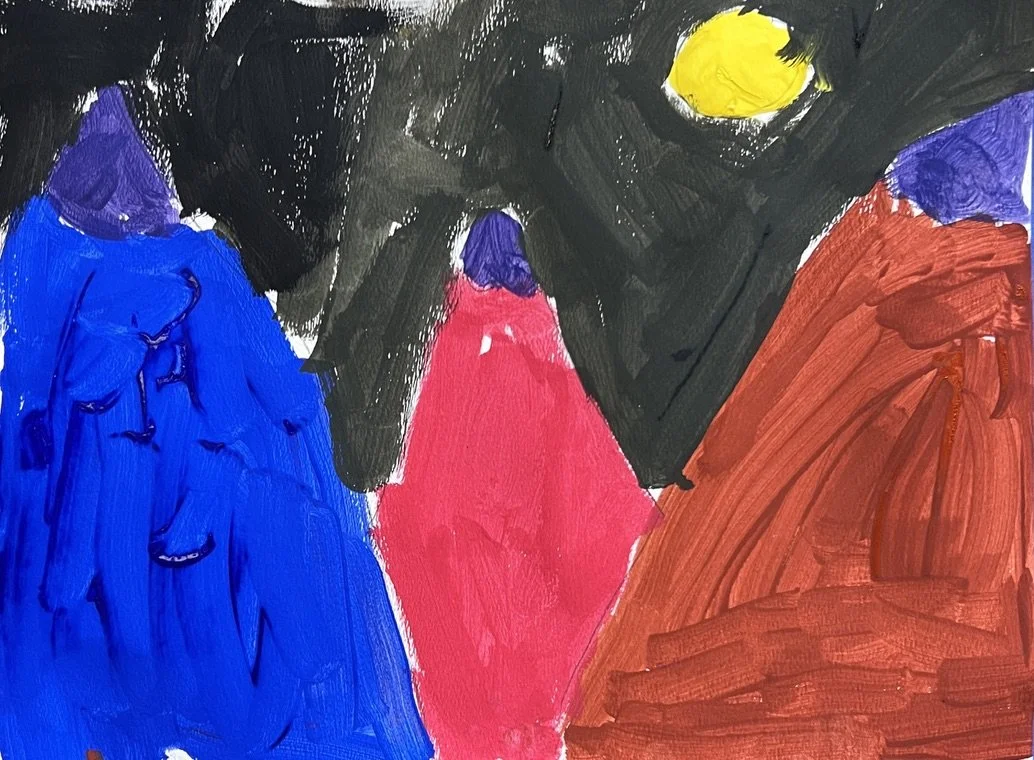
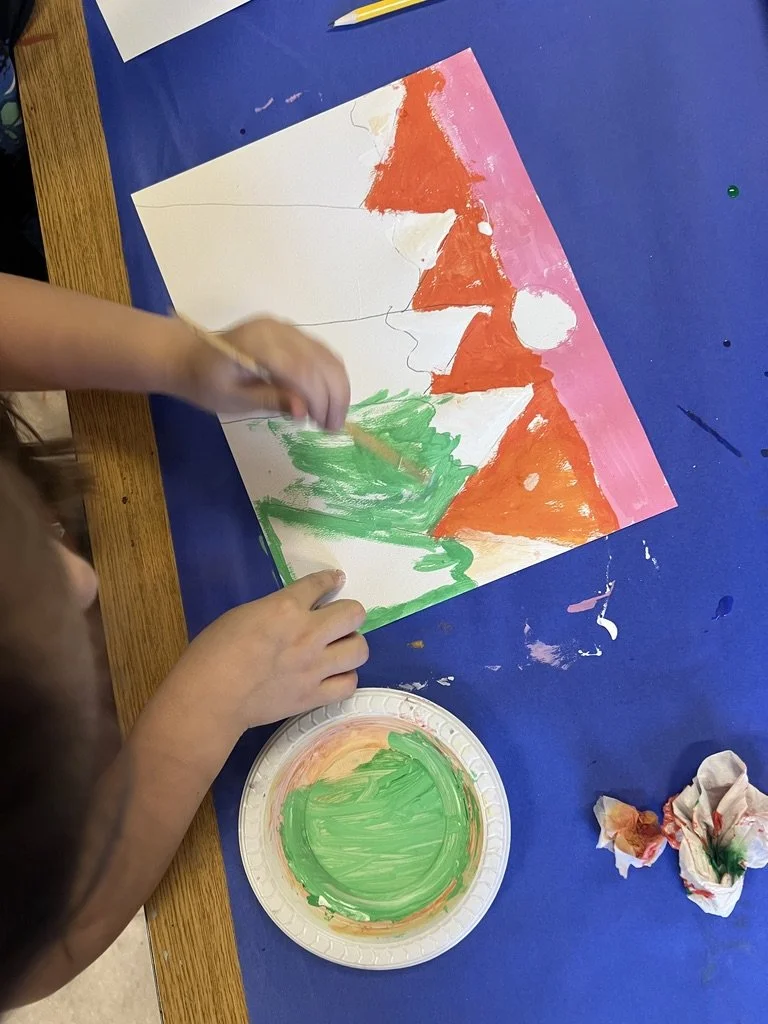
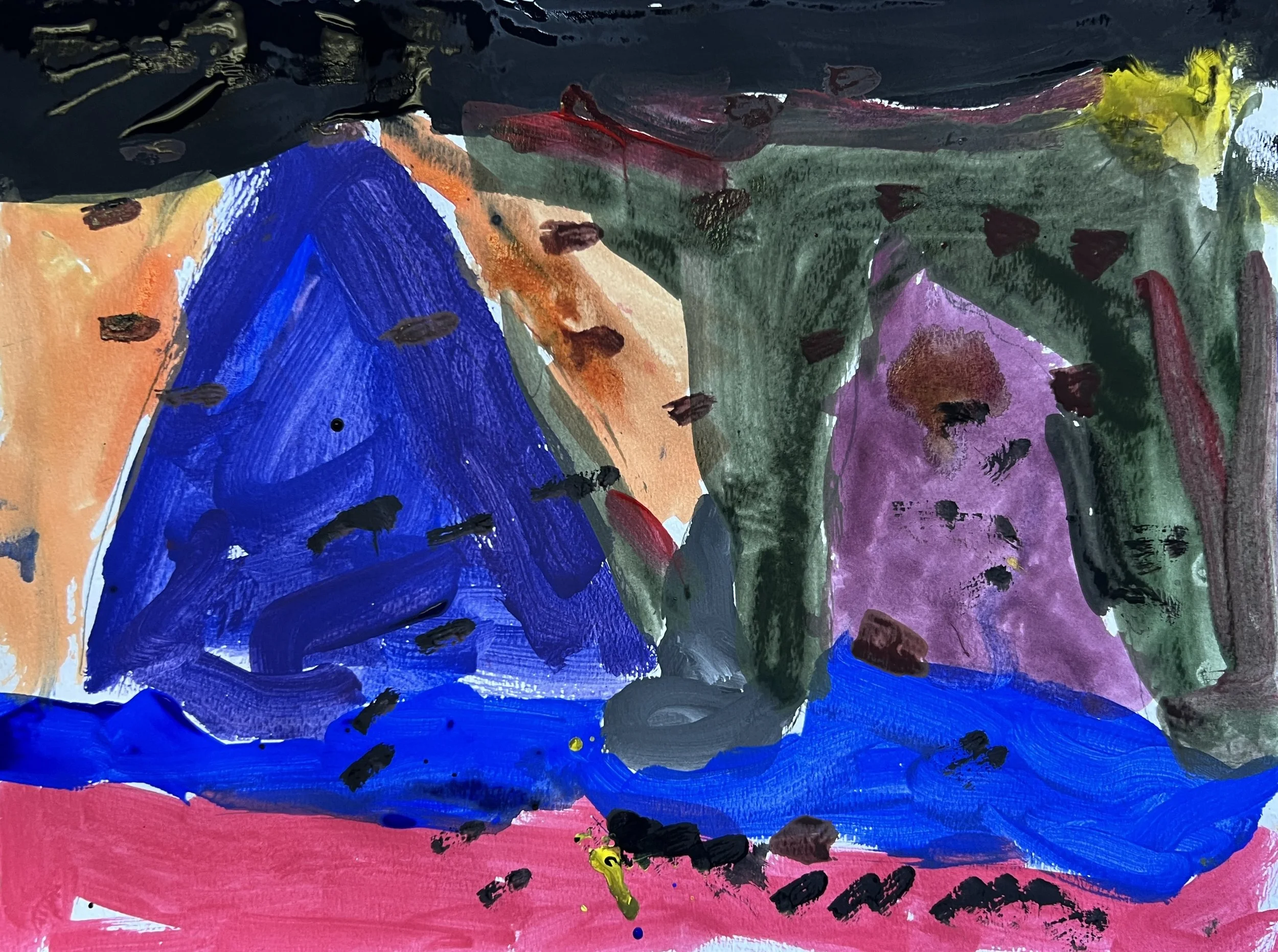
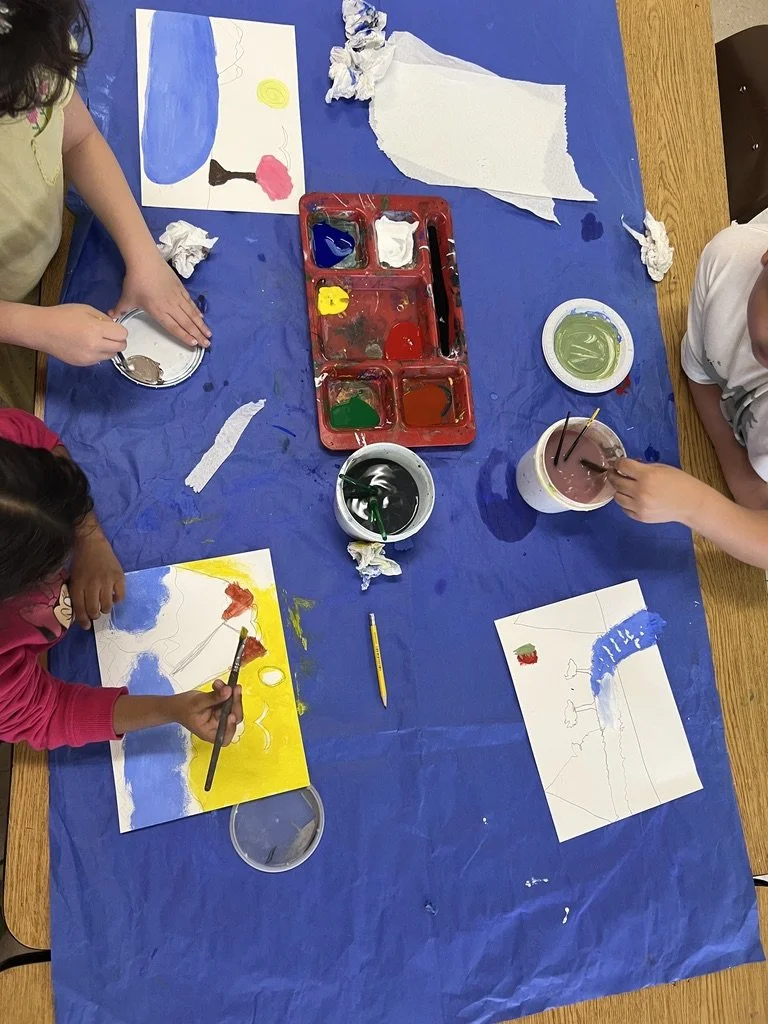
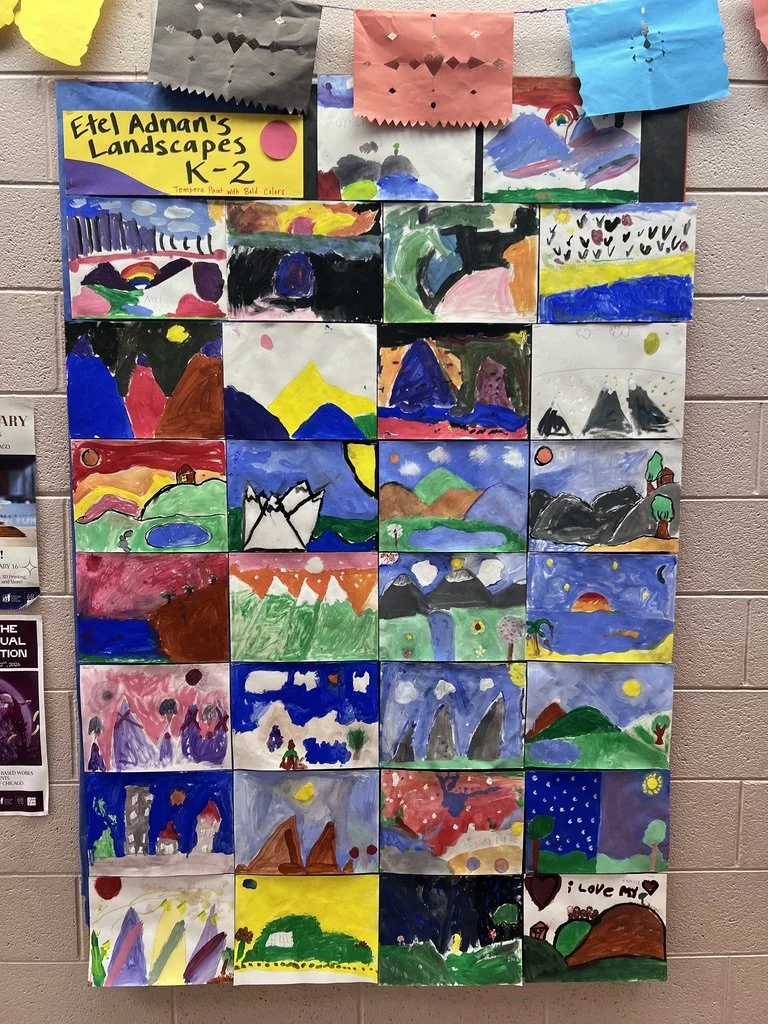
Bulletin board showcasing student work
Matisse’s Paper Cut Outs
Pre-Kindergarten to Second Grade Lesson Plan taught at Irma C. Ruiz Elementary in CPS
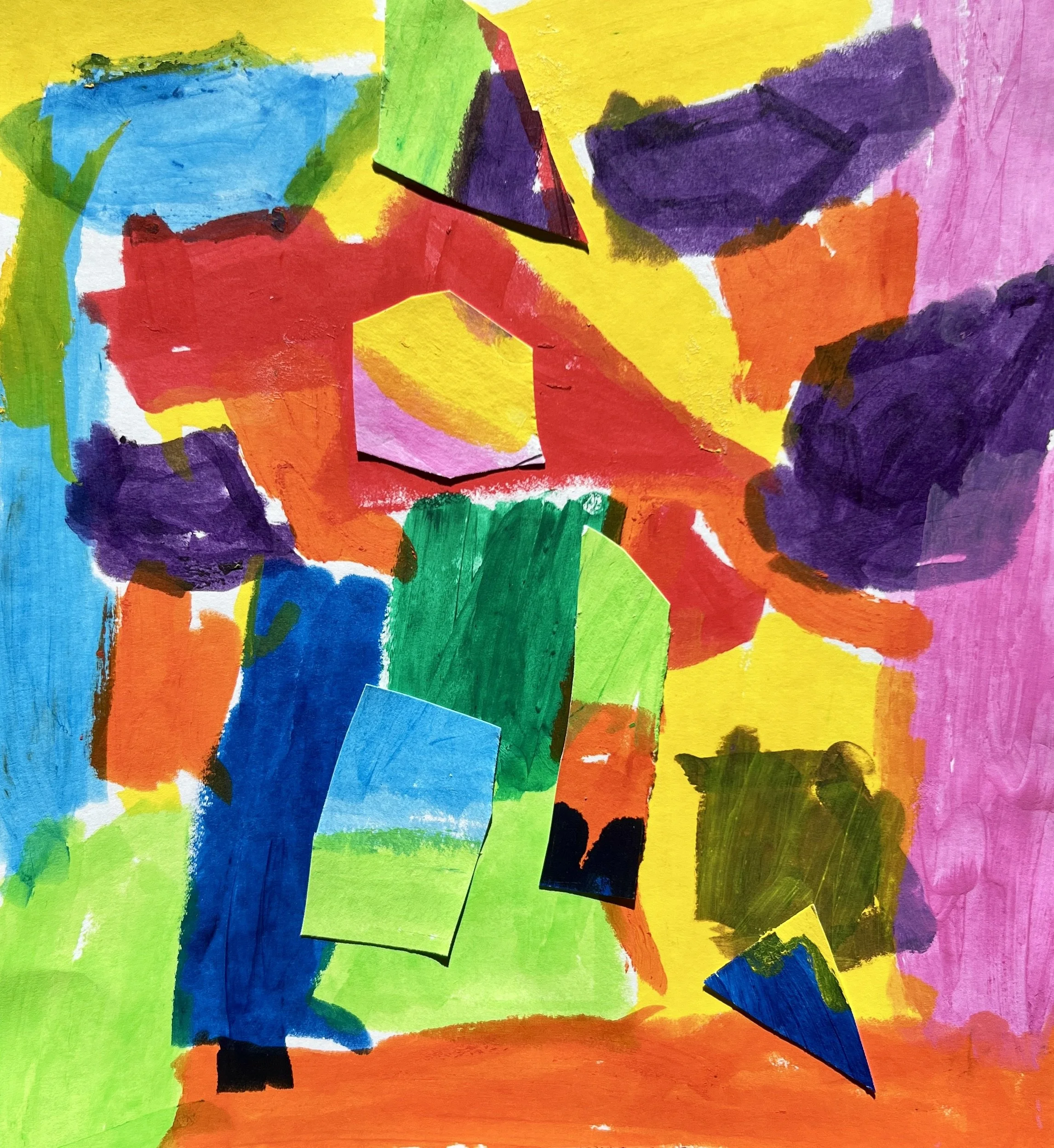
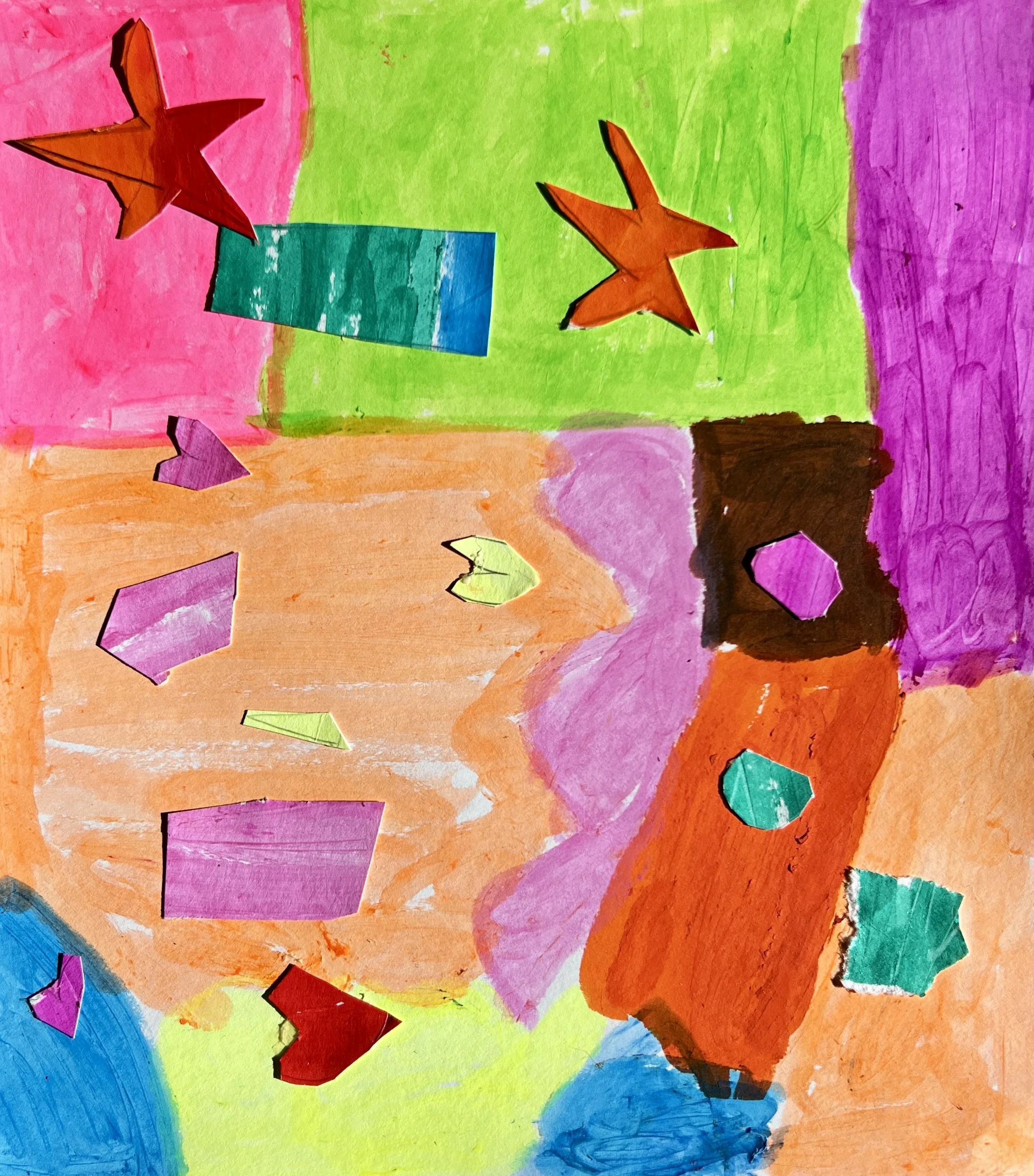
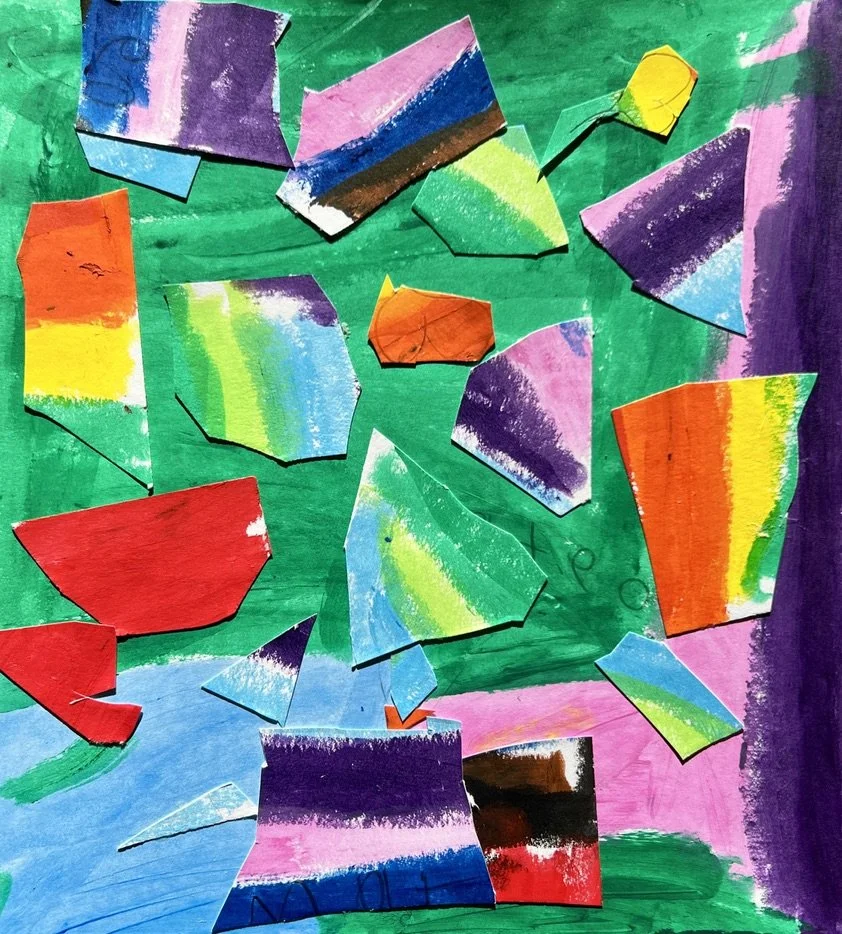
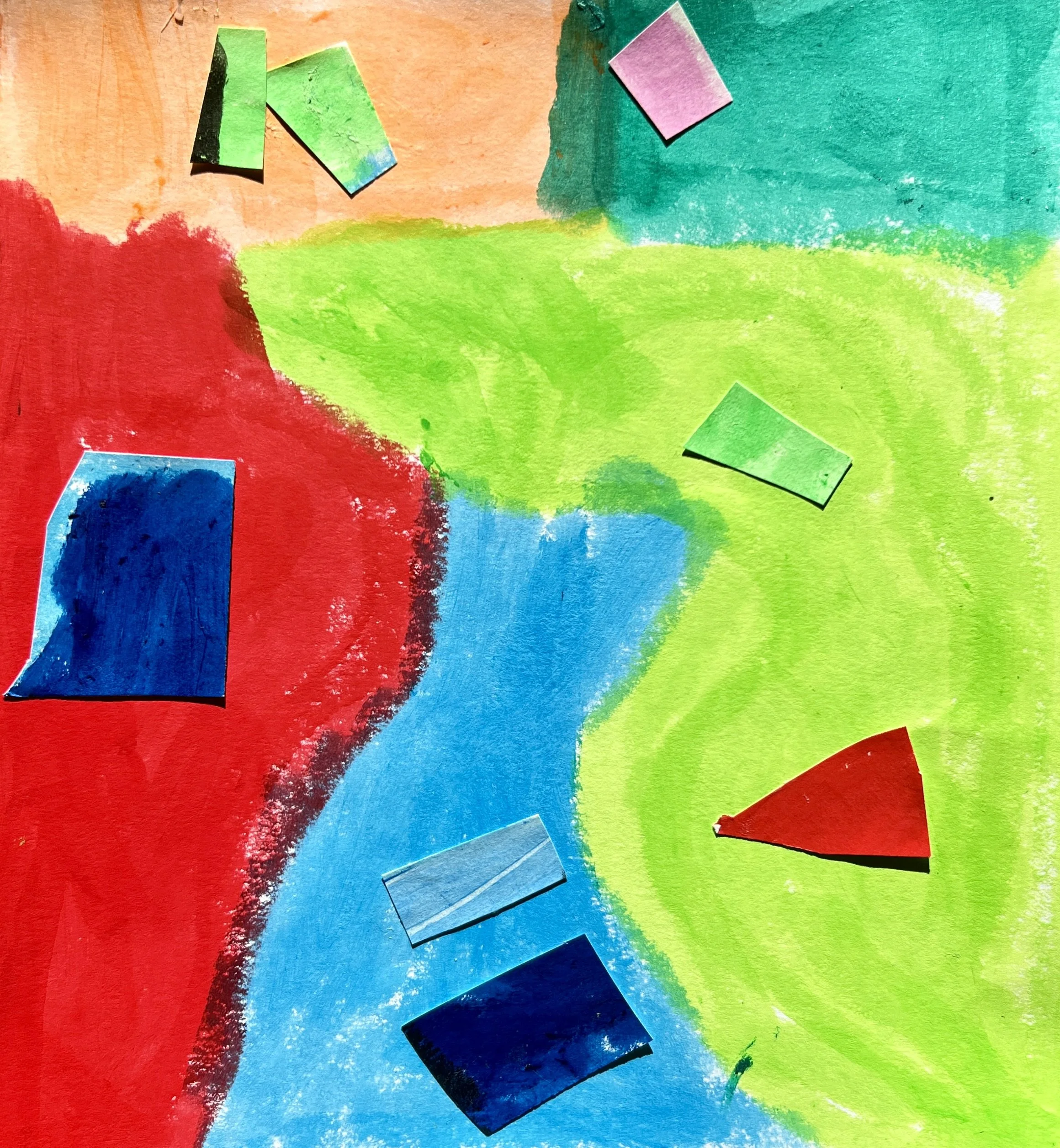
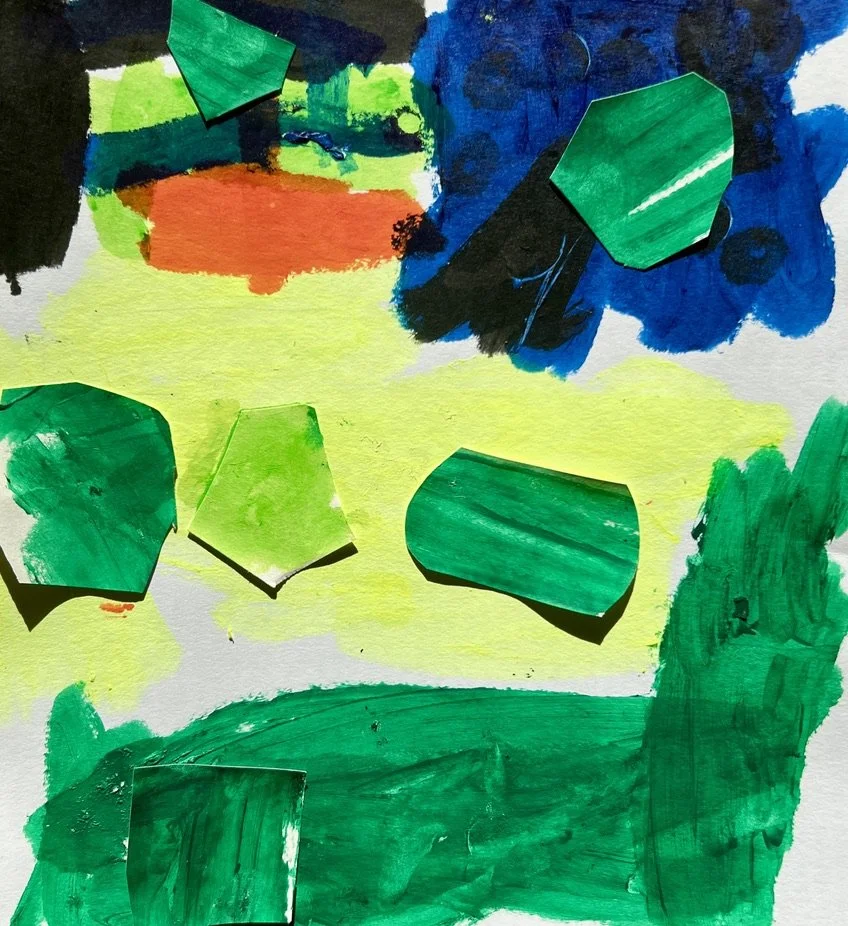
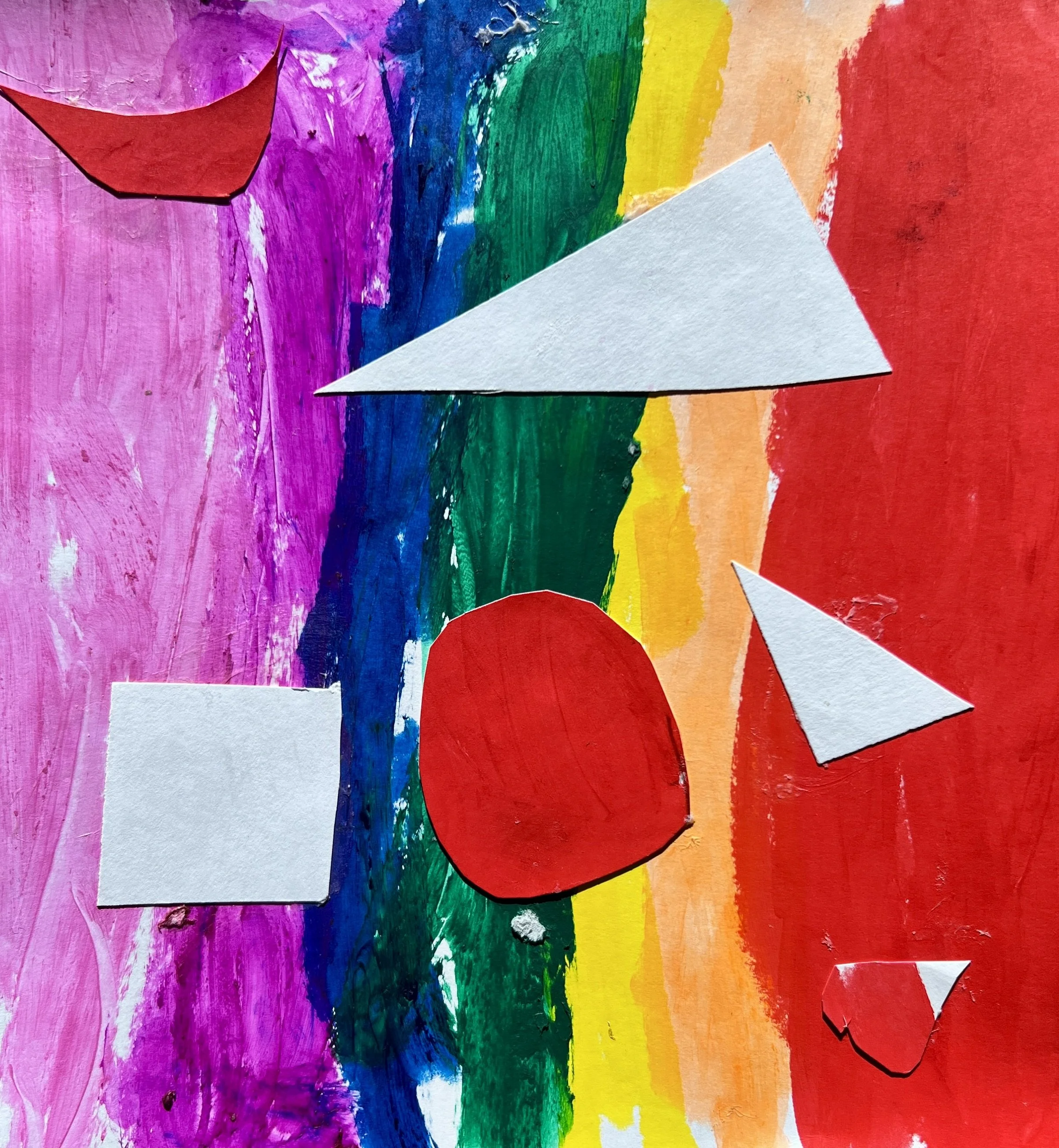
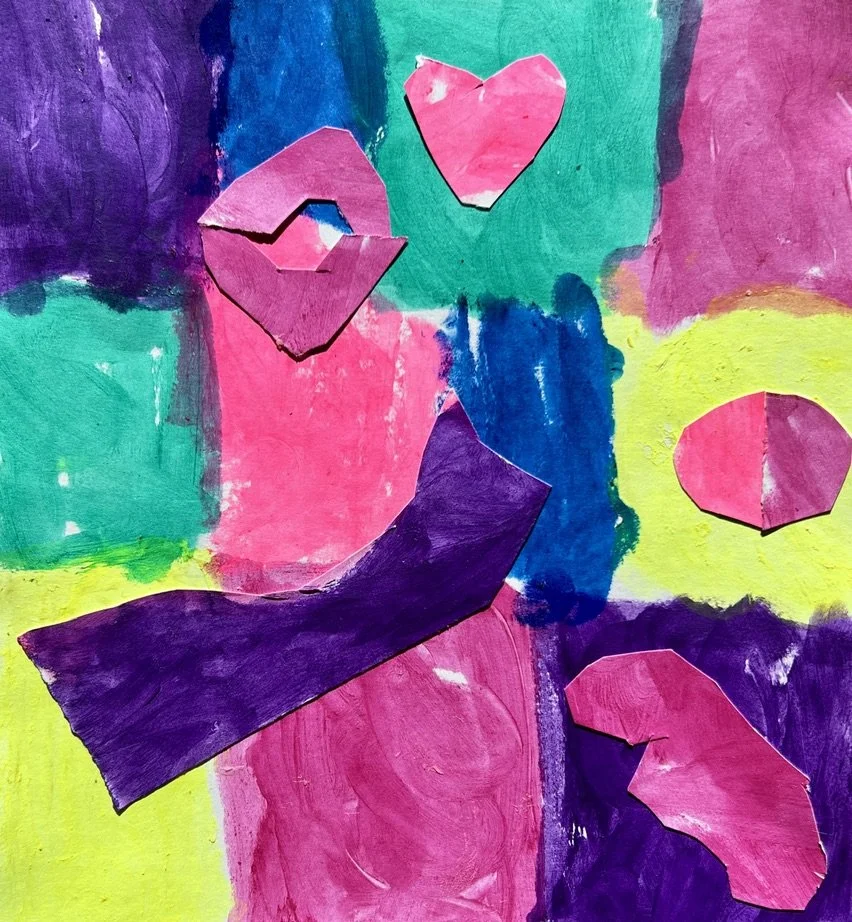
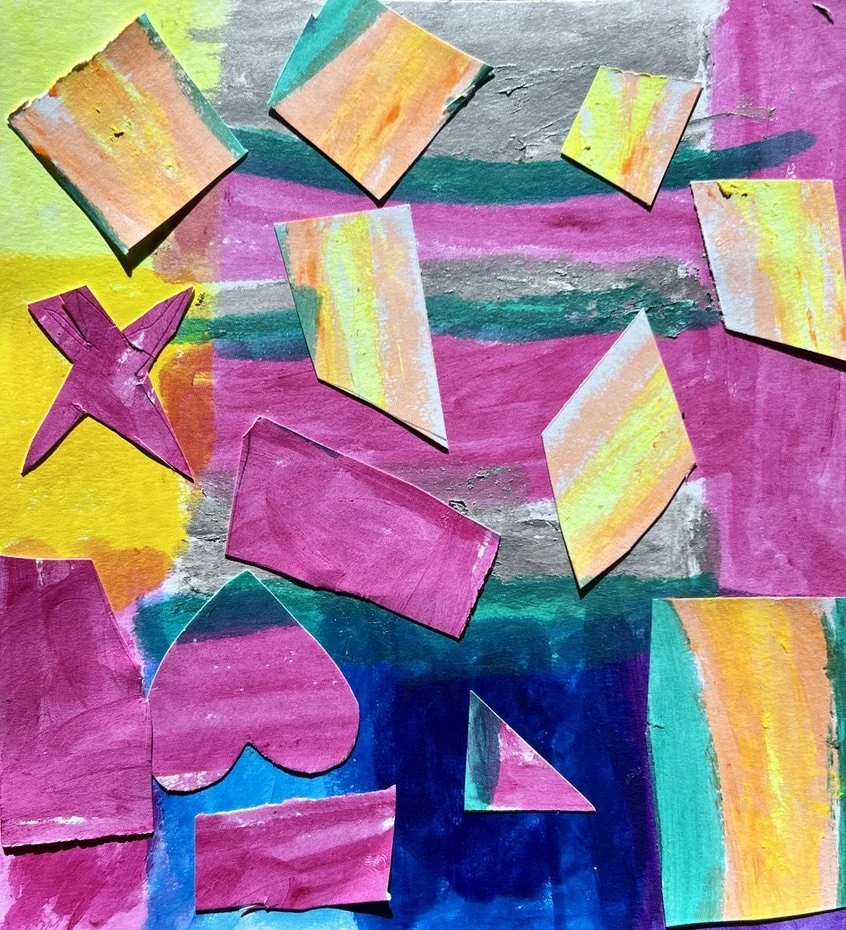
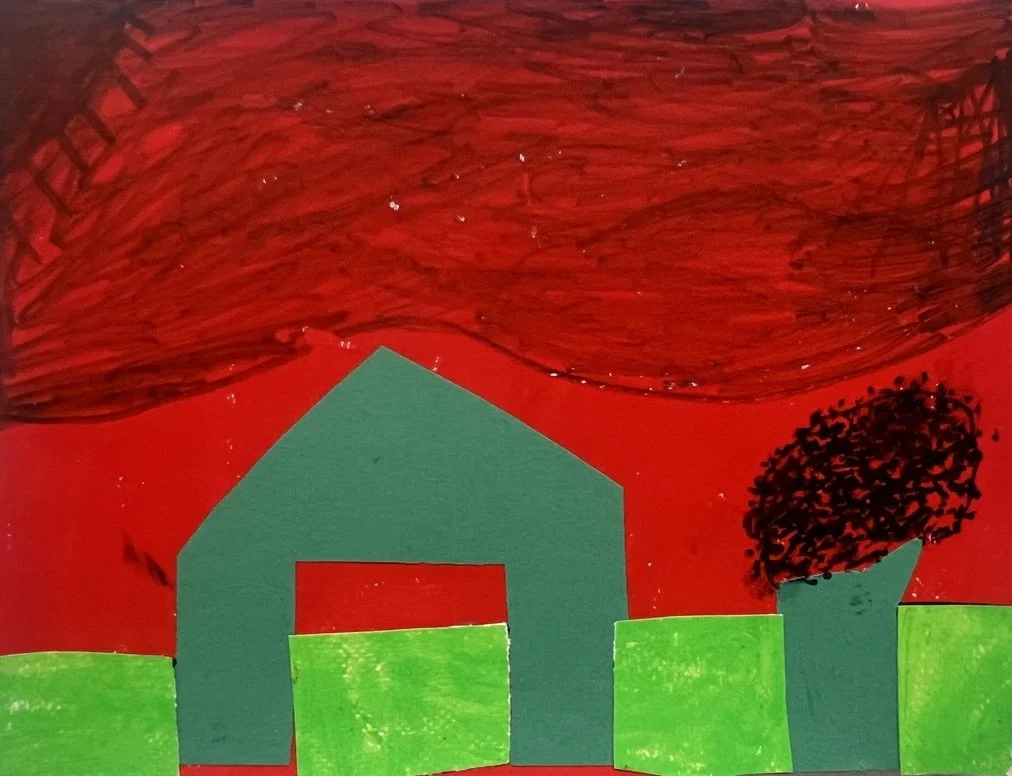
Inspired by Henri Matisse’s cut paper work, lower elementary students will design a composition using painted paper cut in organic and geometric shapes. They will play with using silhouettes, symmetry, and repetition in their layout.
Alma Thomas and Space
One Day Pre-Kindergarten to Second Grade Lesson Plan taught at Irma C. Ruiz Elementary in CPS
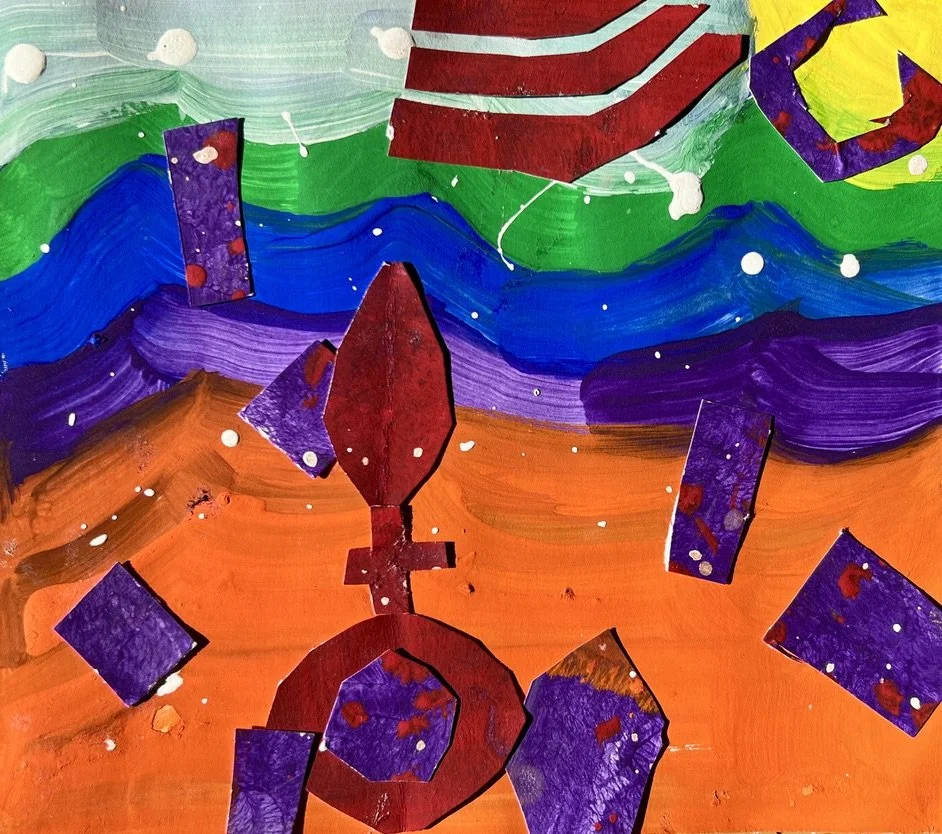
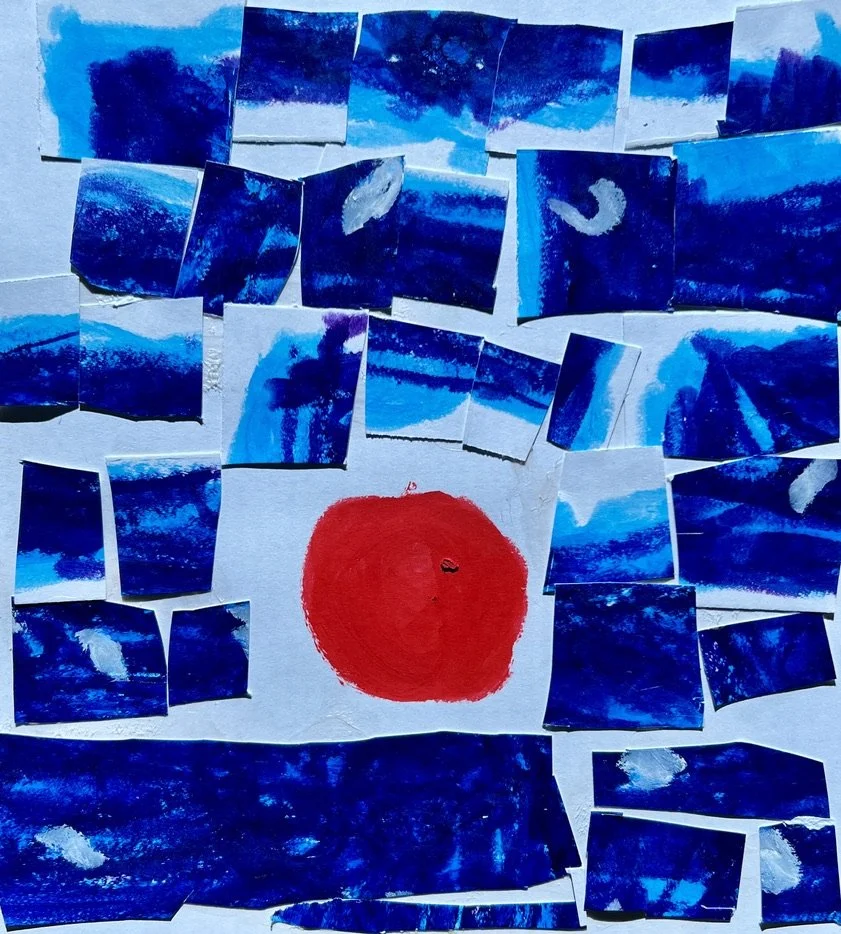
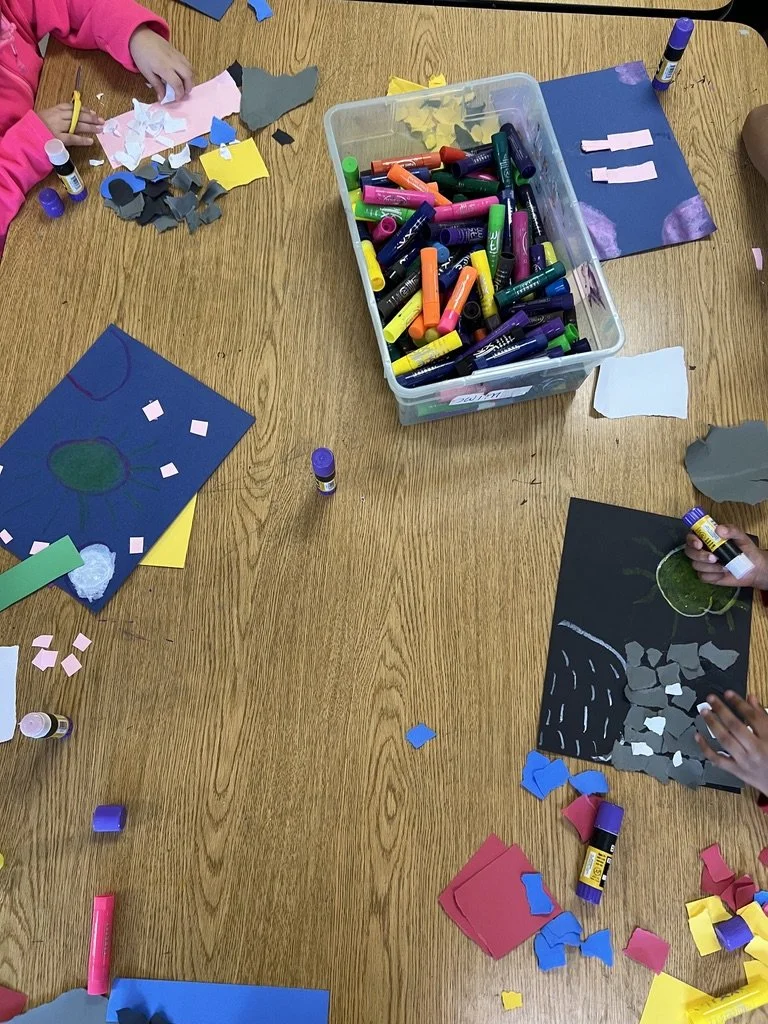
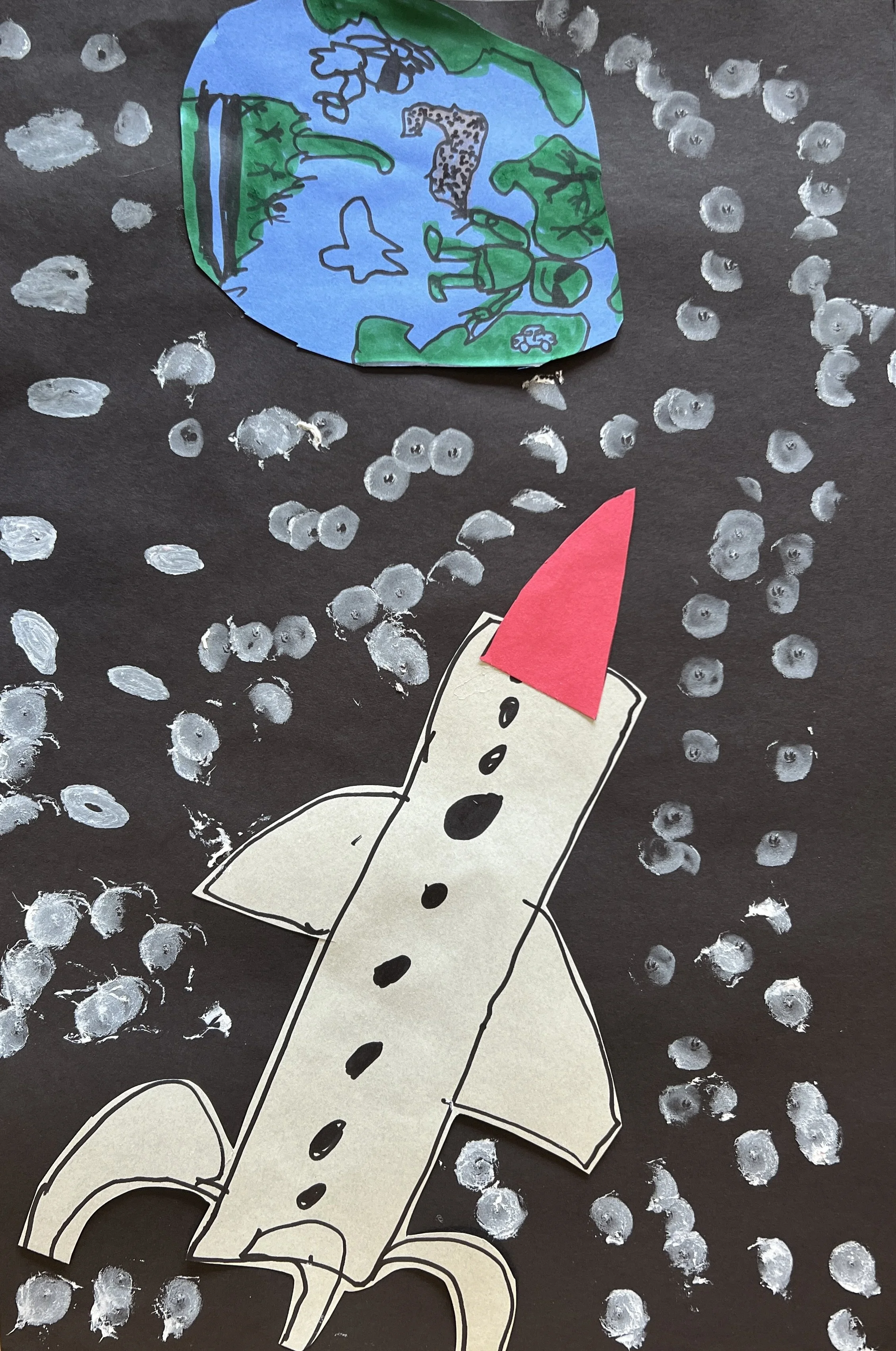
Inspired by the launch of Artemis II and Alma Thomas’ paintings, early elementary students will create an image of the night sky or outer space using paper tearing techniques. At the beginning of the lesson, students will watch a video about Alma Thomas’ Starry Night and the Astronauts and watch the rocket launch of Artemis II. After that, they will be shown more of Thomas’ paintings and her painting technique will be pointed out as resembling torn paper. Then students will watch the teacher give a demonstration of how to begin the project, beginning with a sketch of the night sky or outer space, and then adding bits of ripped paper and gluing it into the shapes of the drawing. When students are done, they will clean up after themselves, returning unused paper and glue, and throwing away any extra scraps of paper.
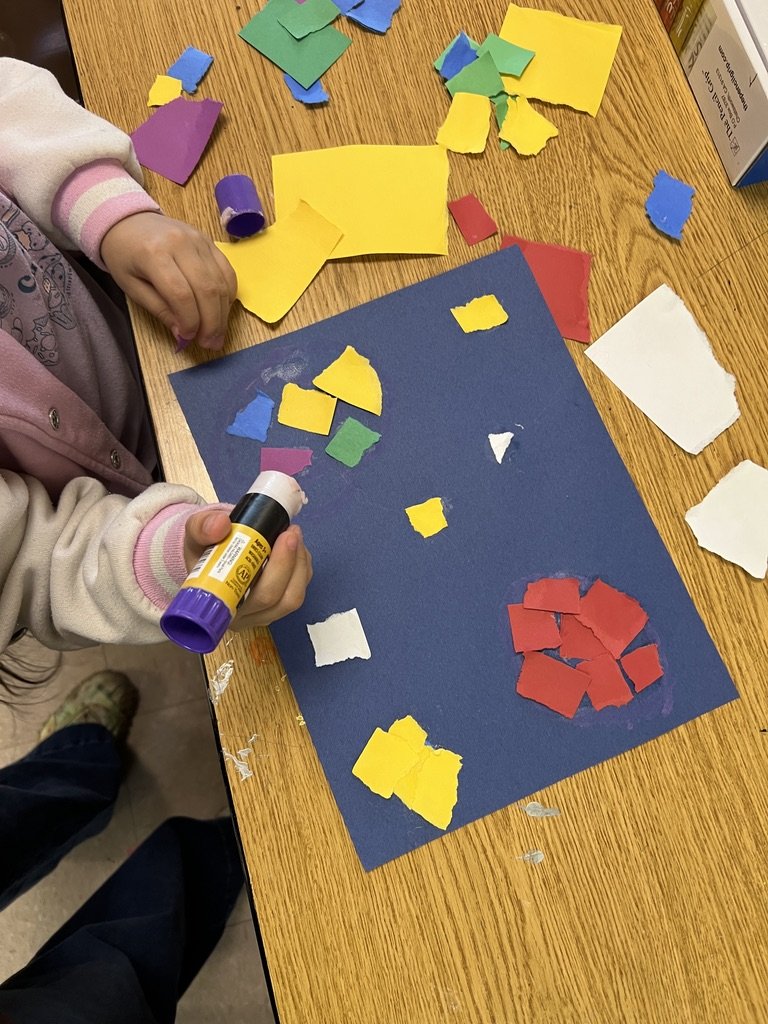
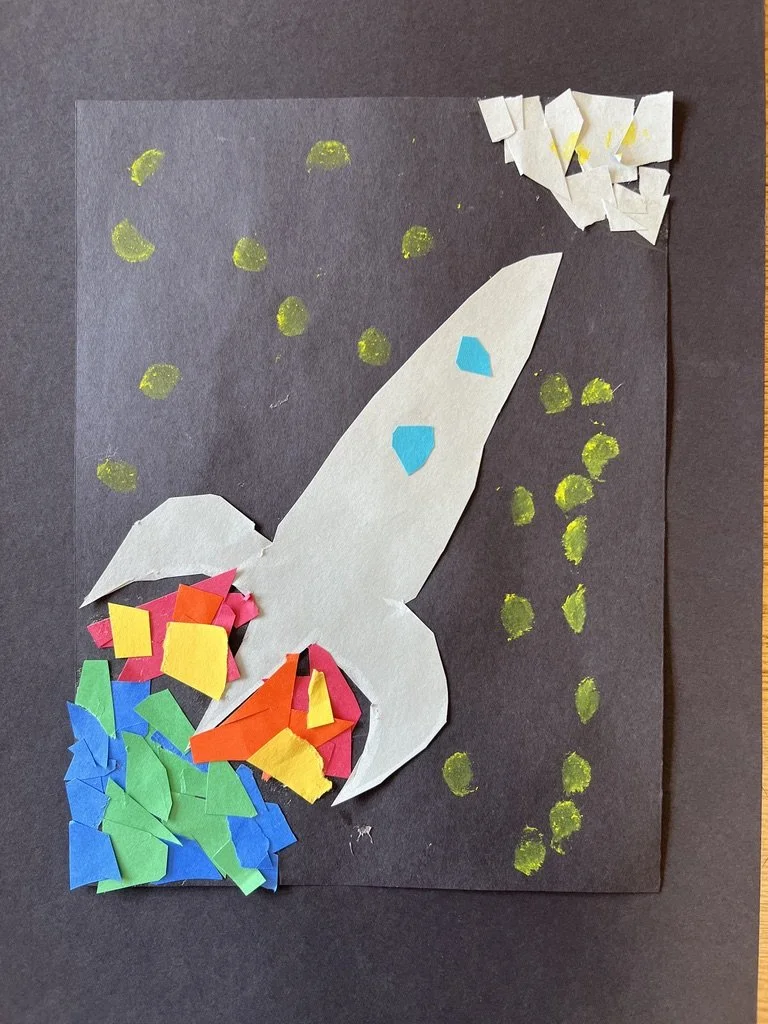
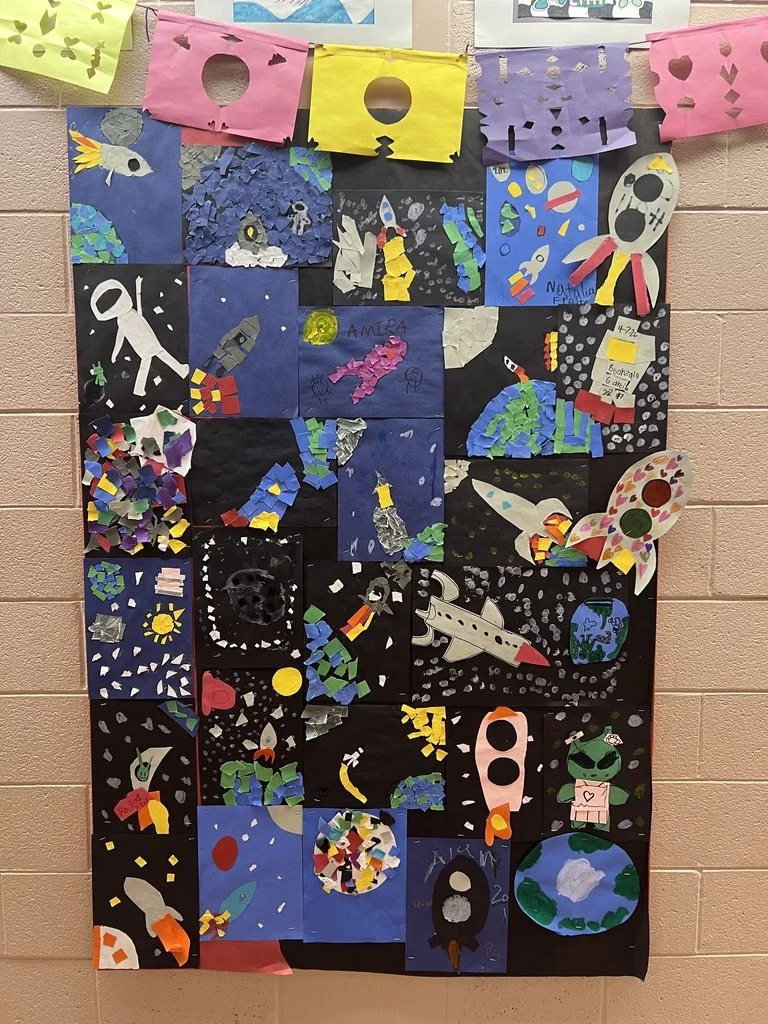
Bulletin board showcasing student work
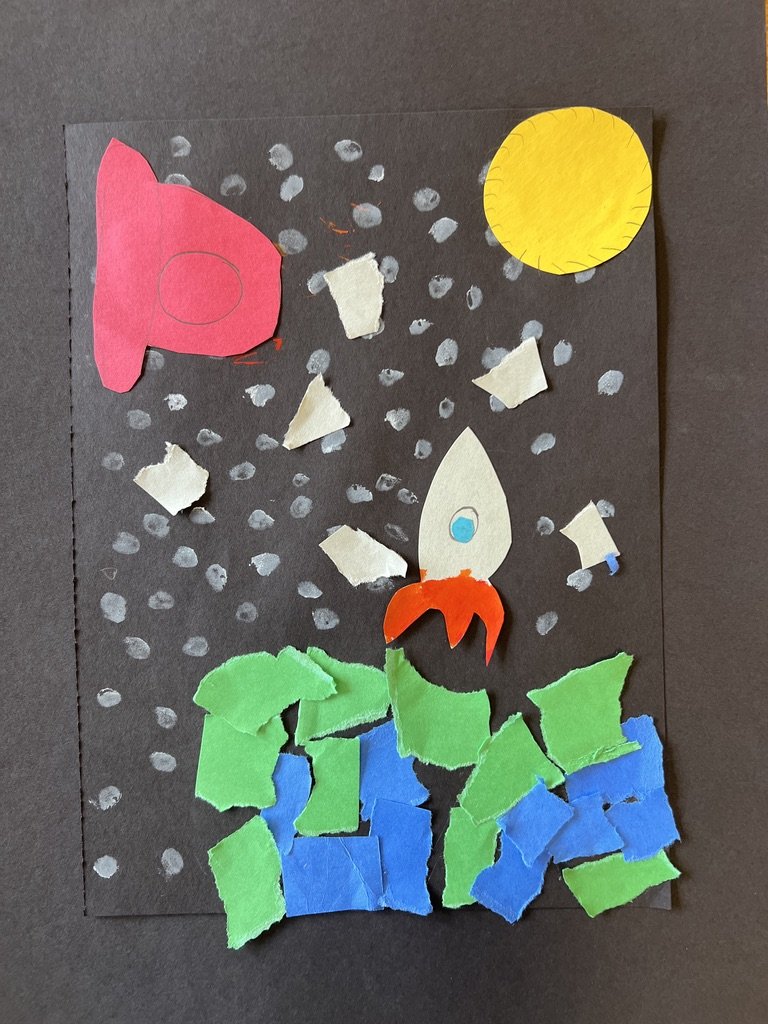
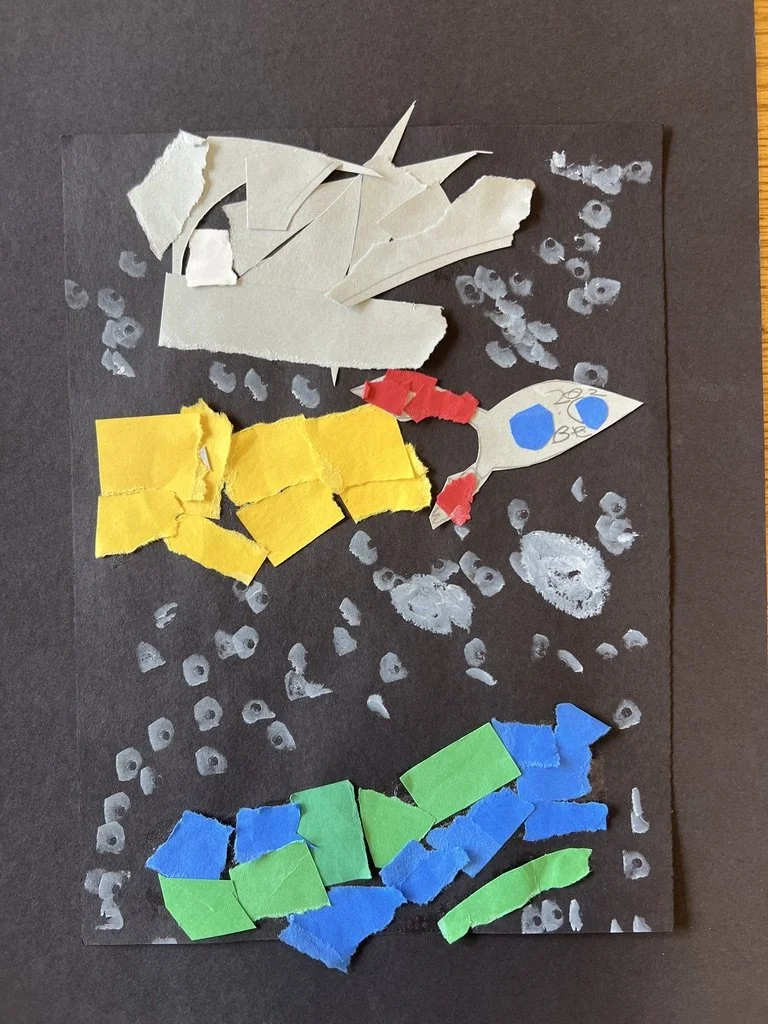
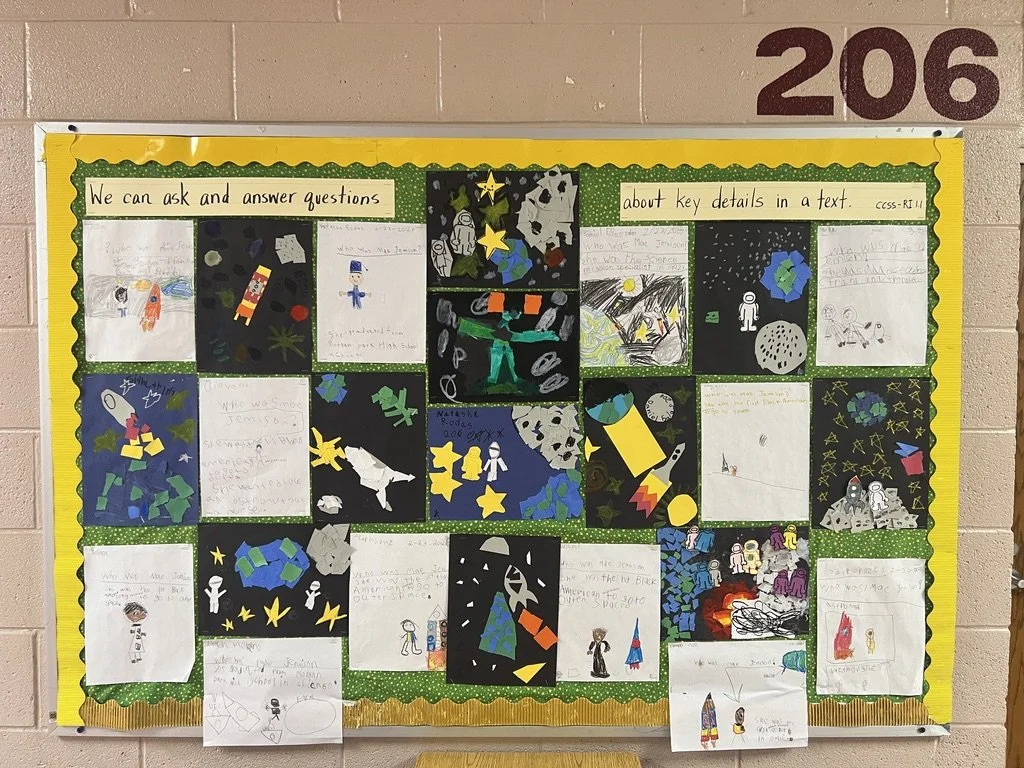
A class's art work included in their drawings and writings about Mae Jemison
Lost and Found
First to Third Grade Lesson Plan taught at Irma C. Ruiz Elementary in CPS
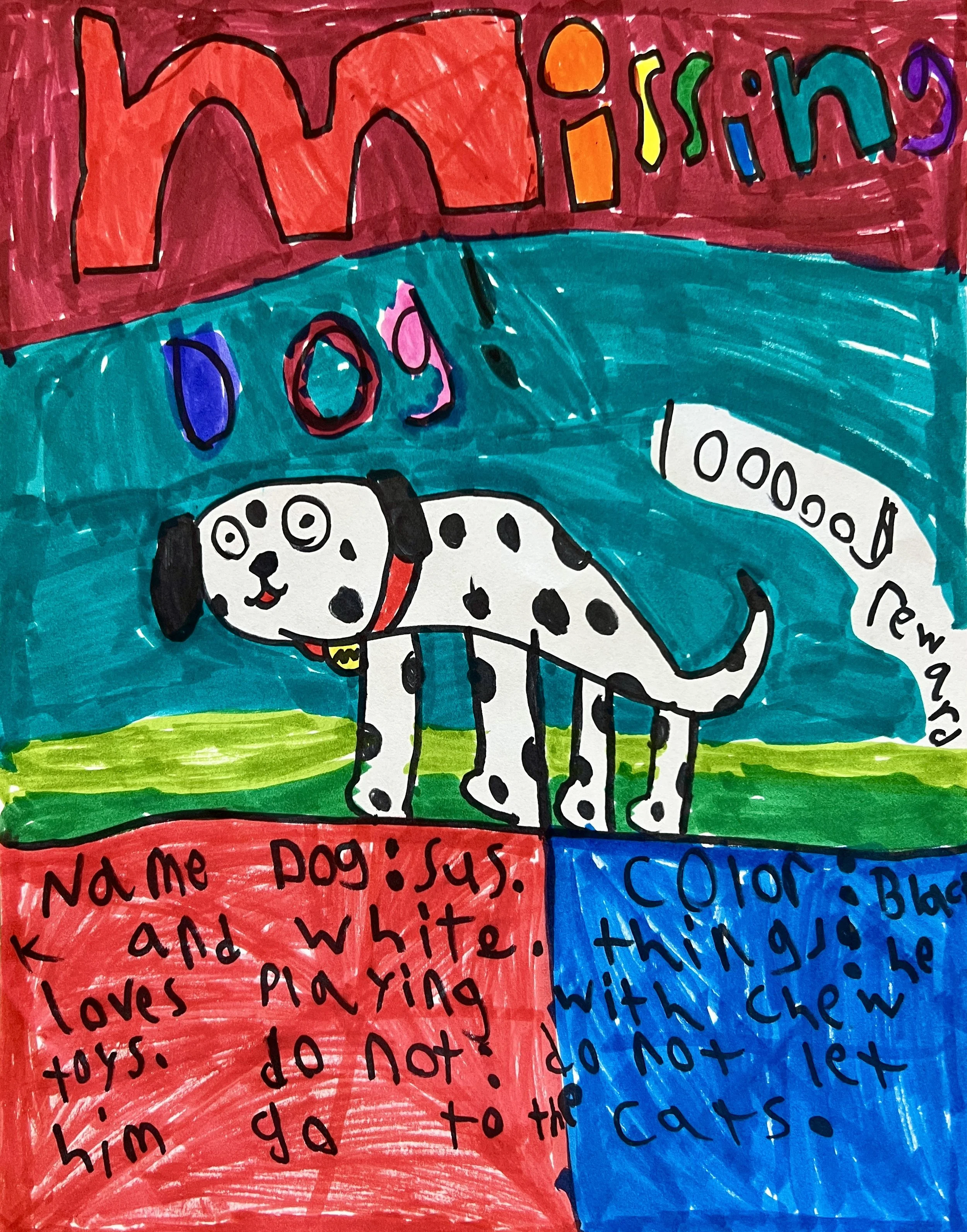
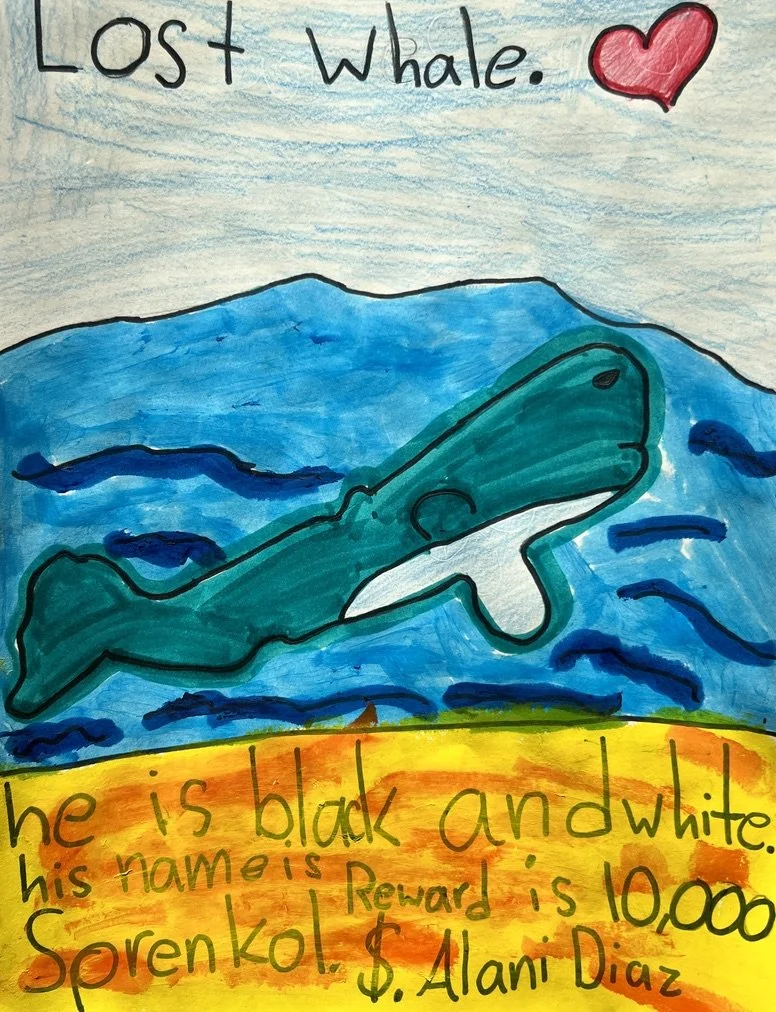
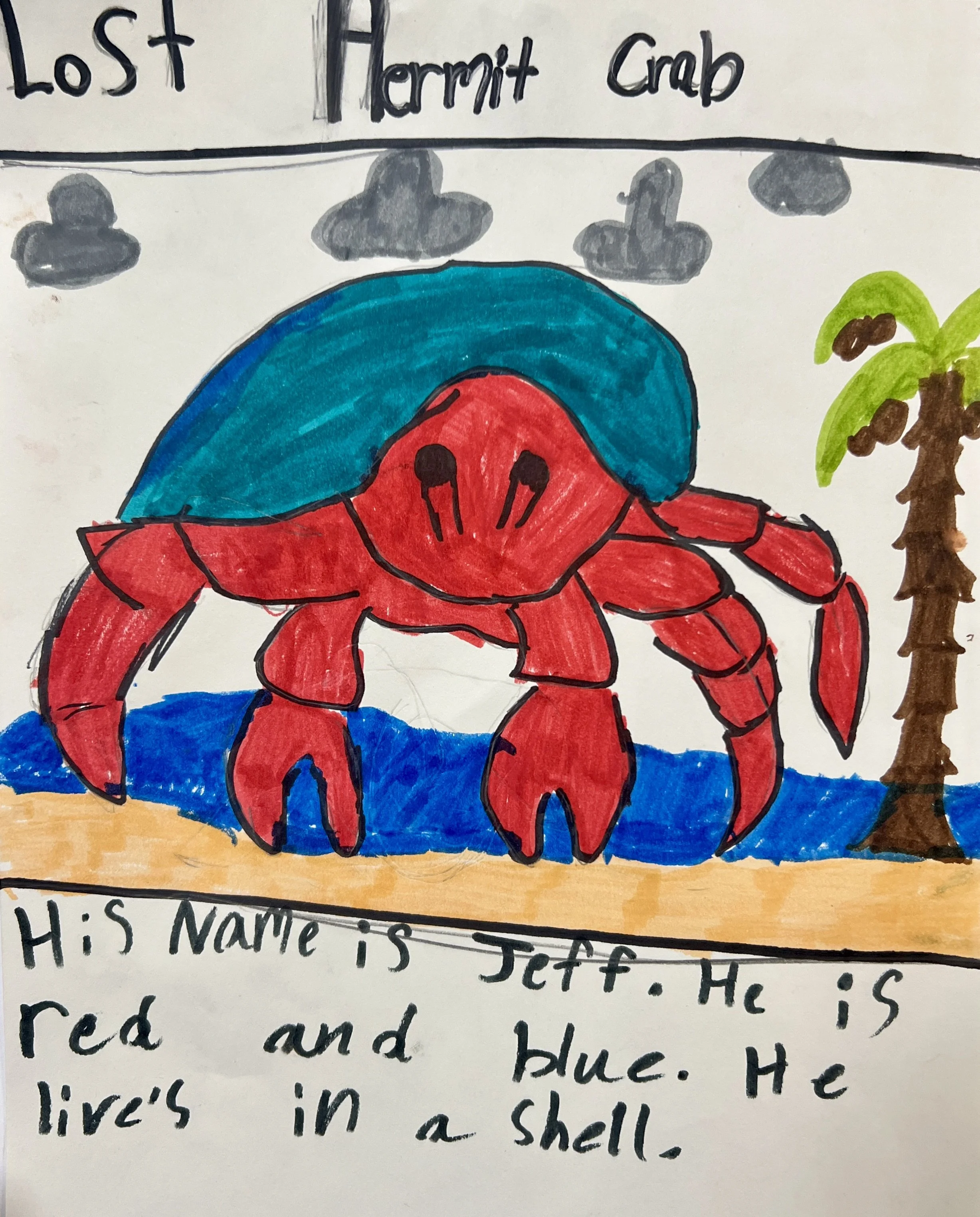
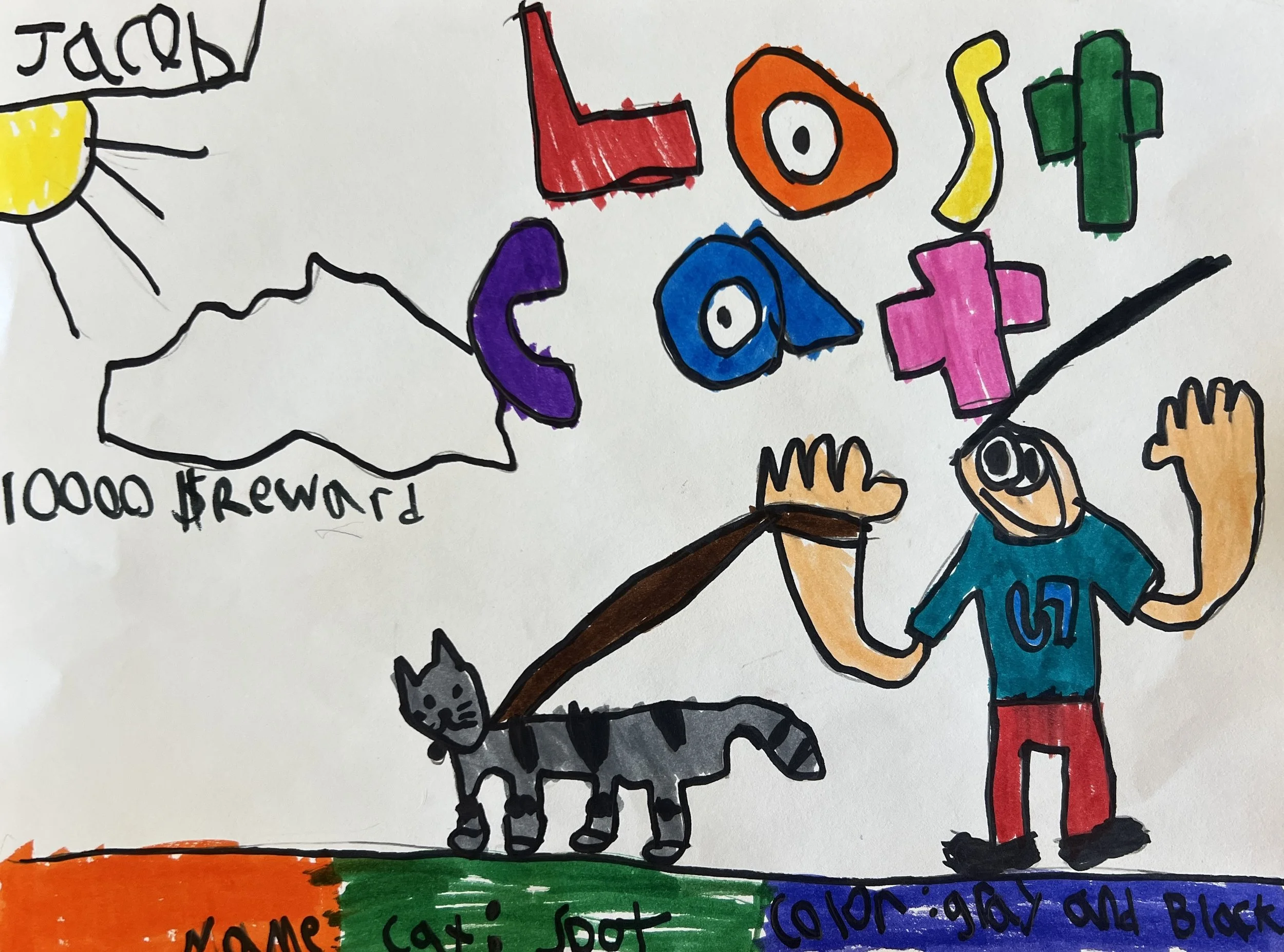
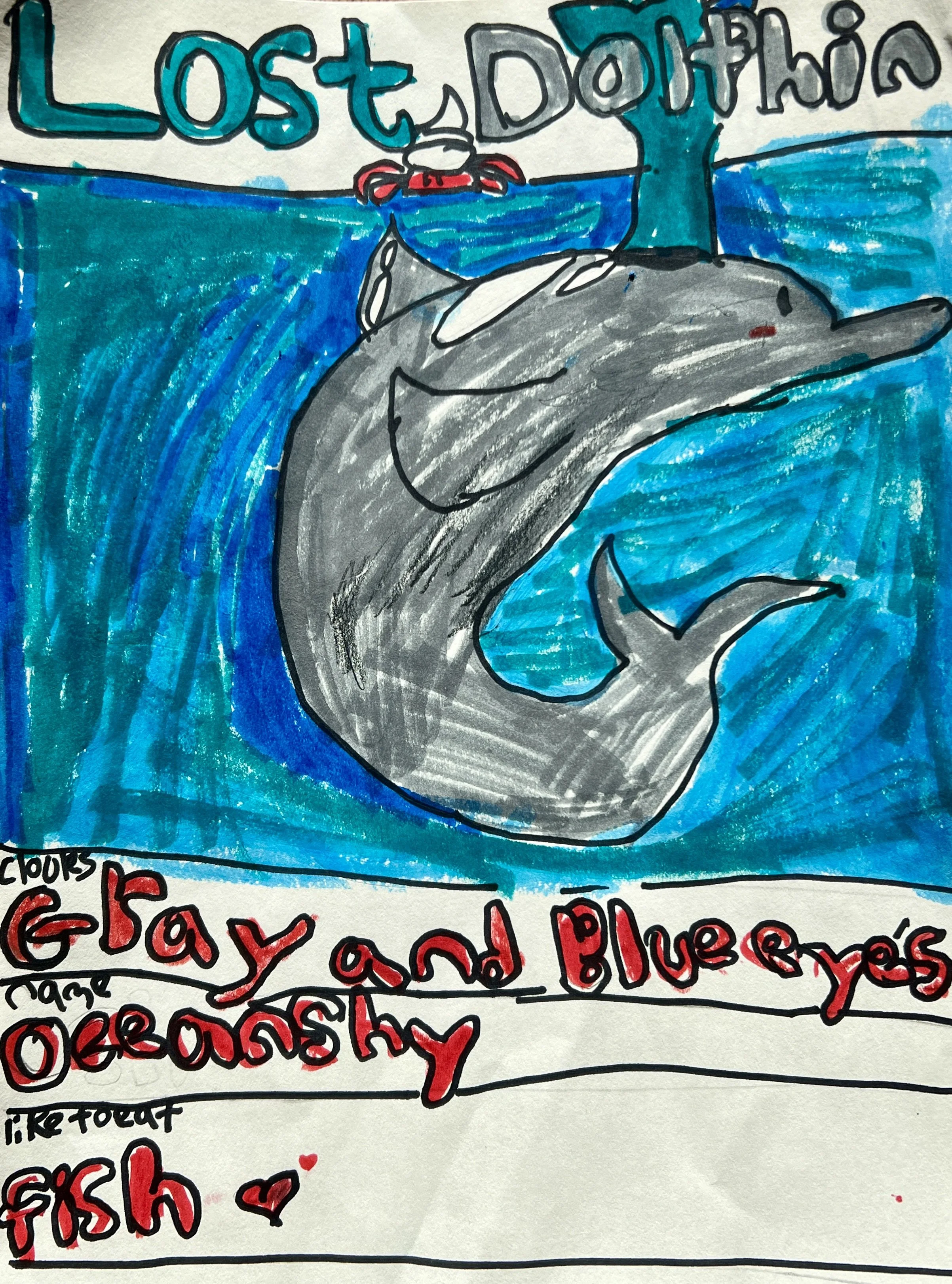
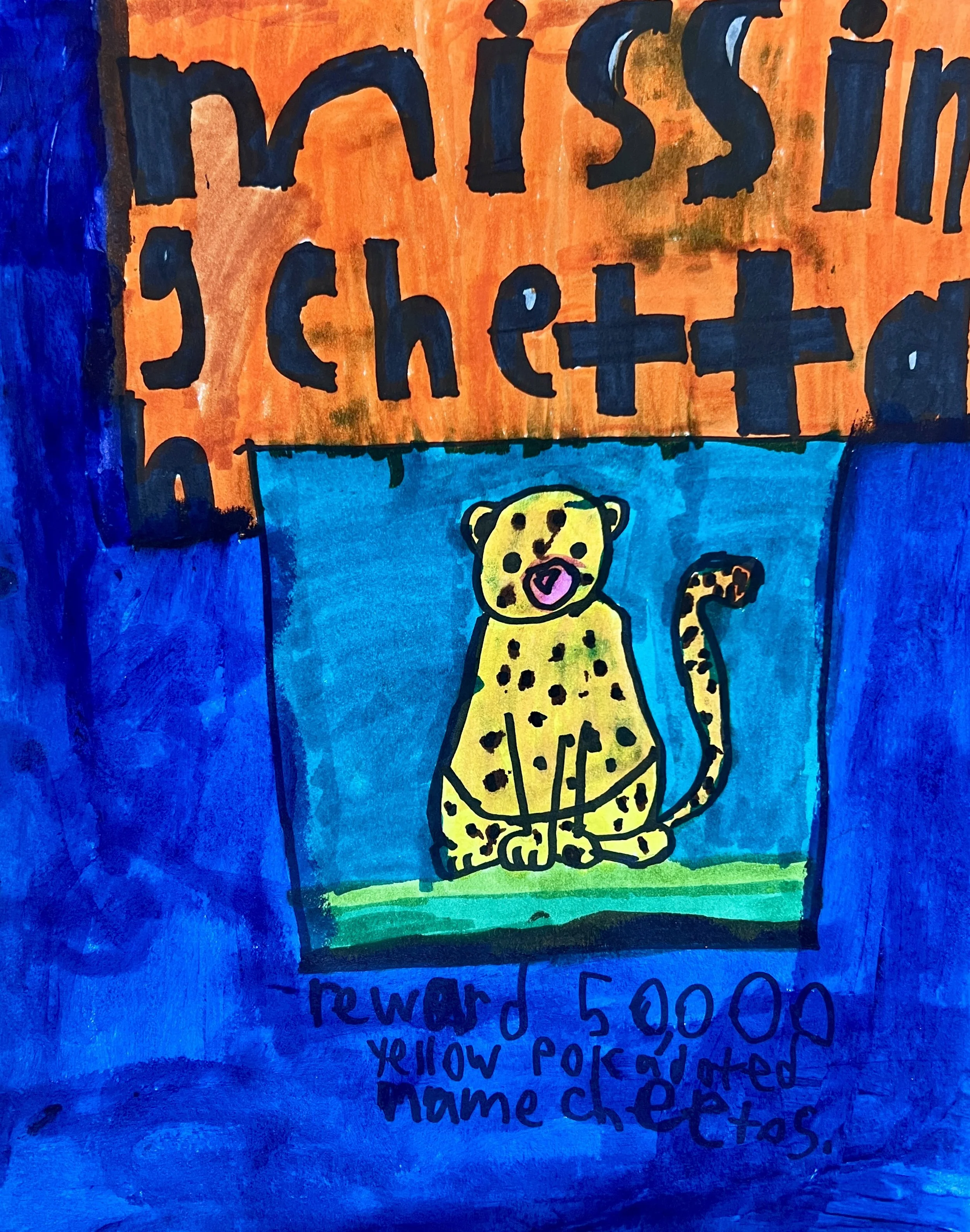
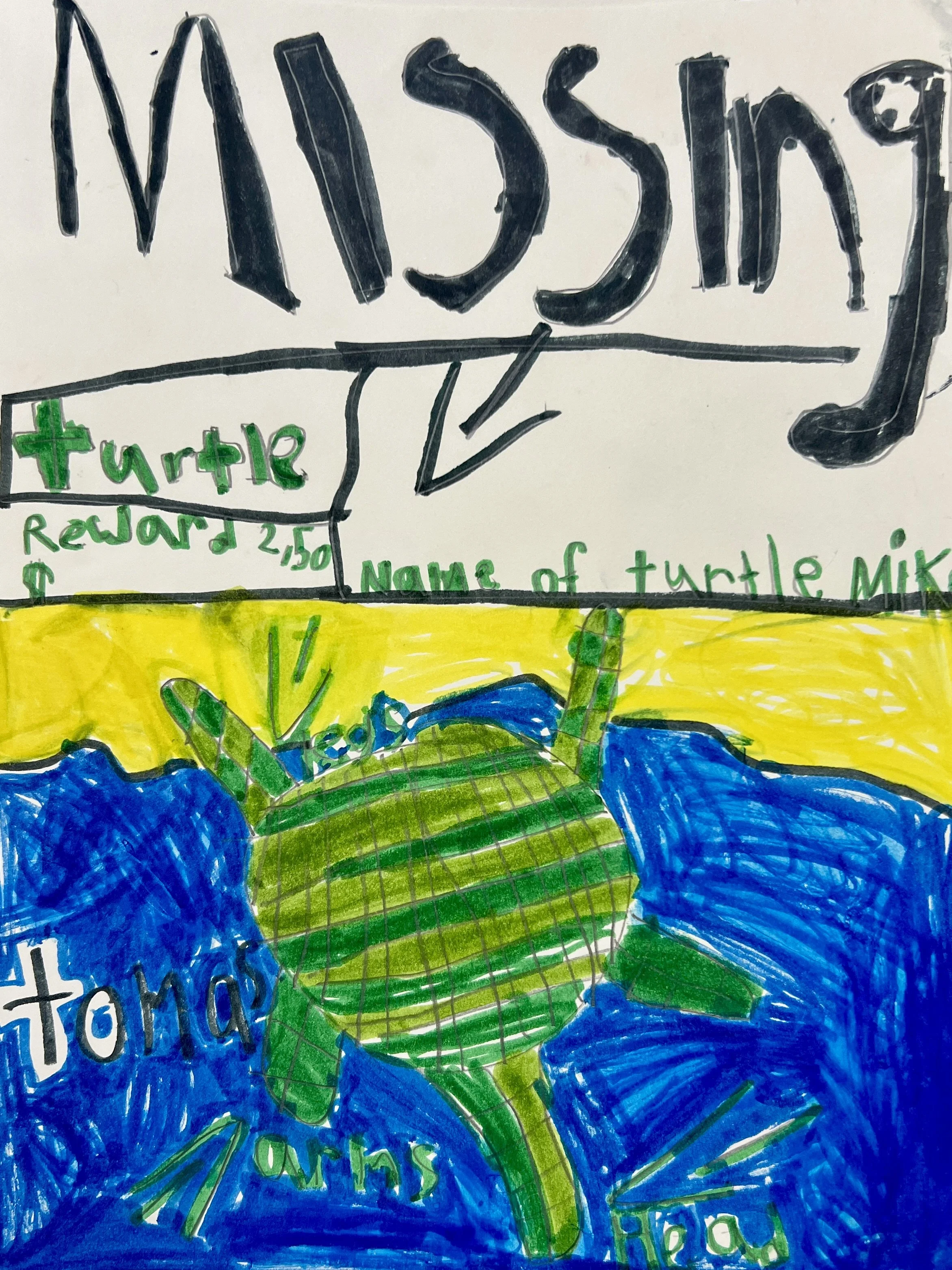
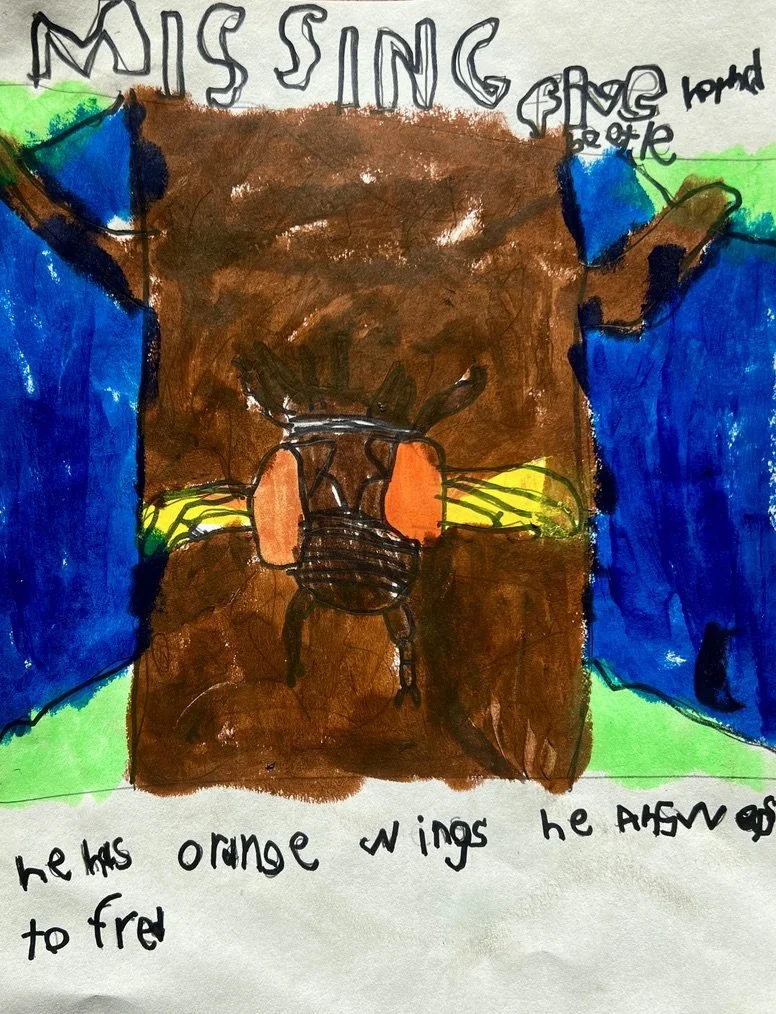
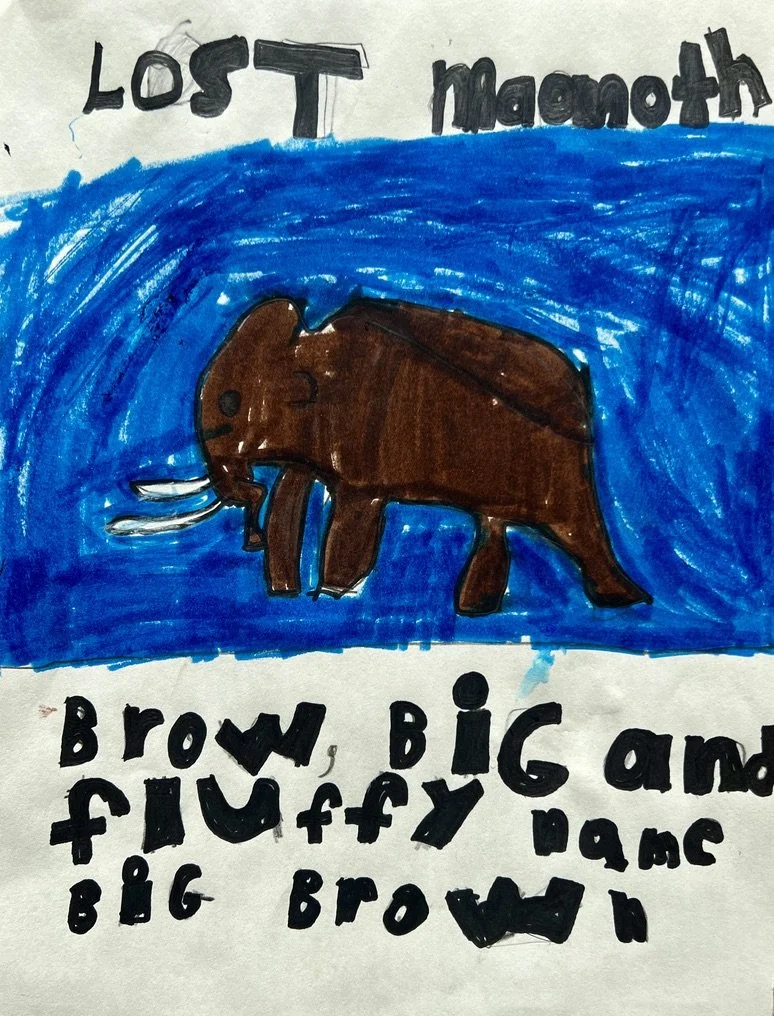
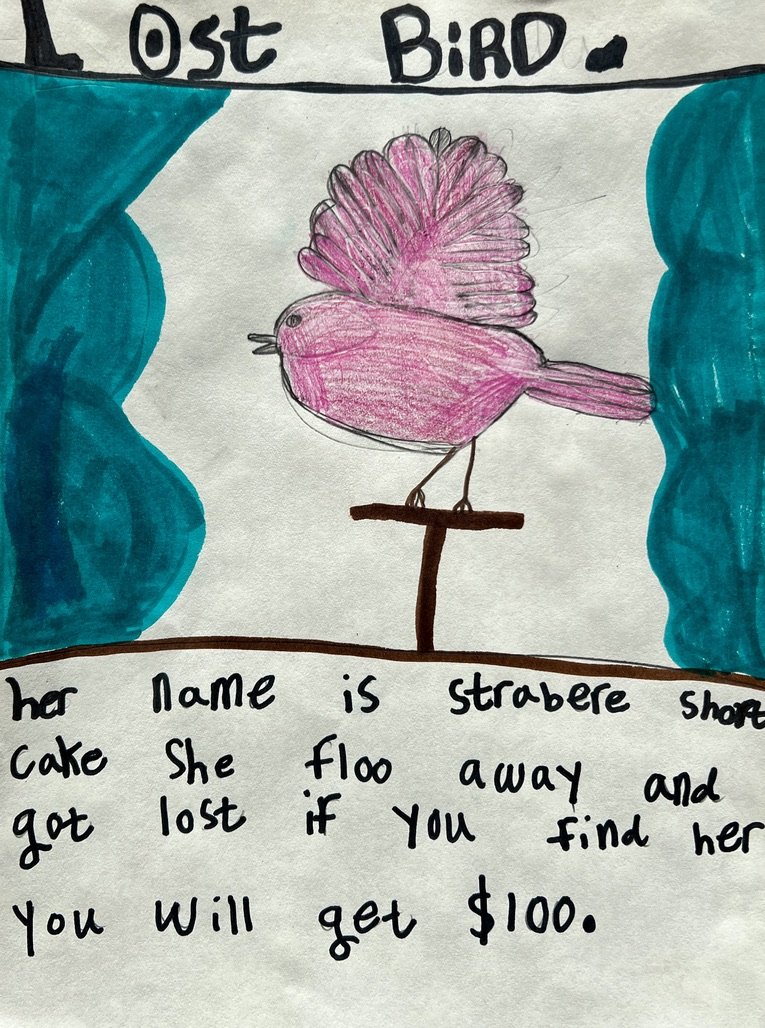
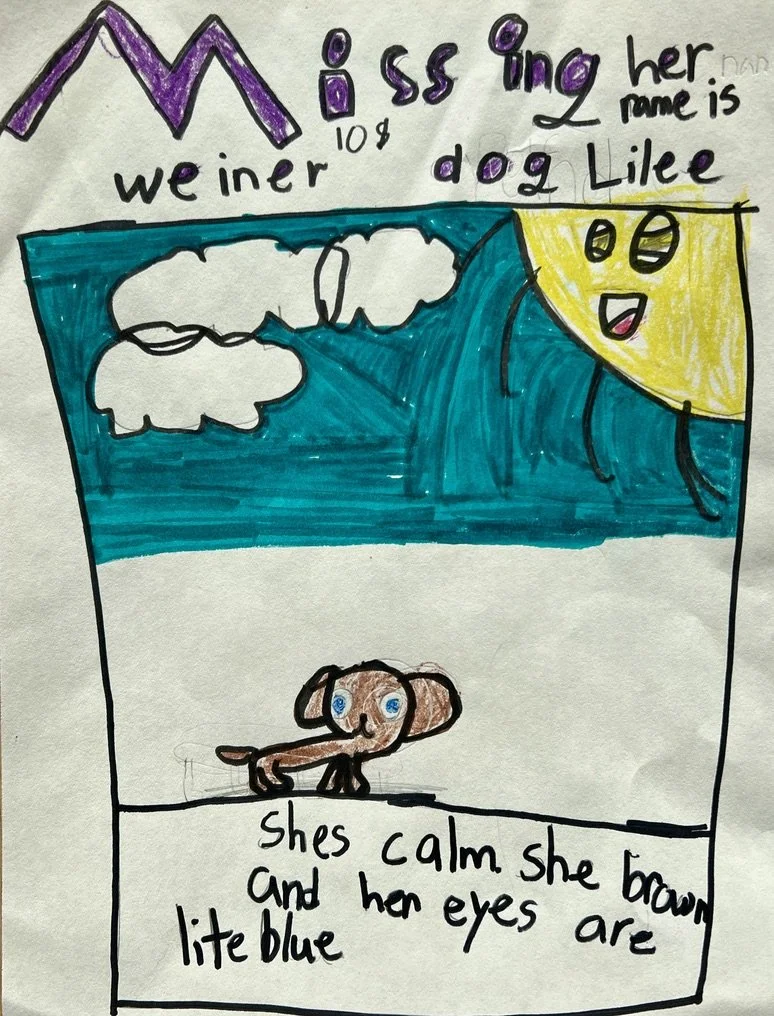
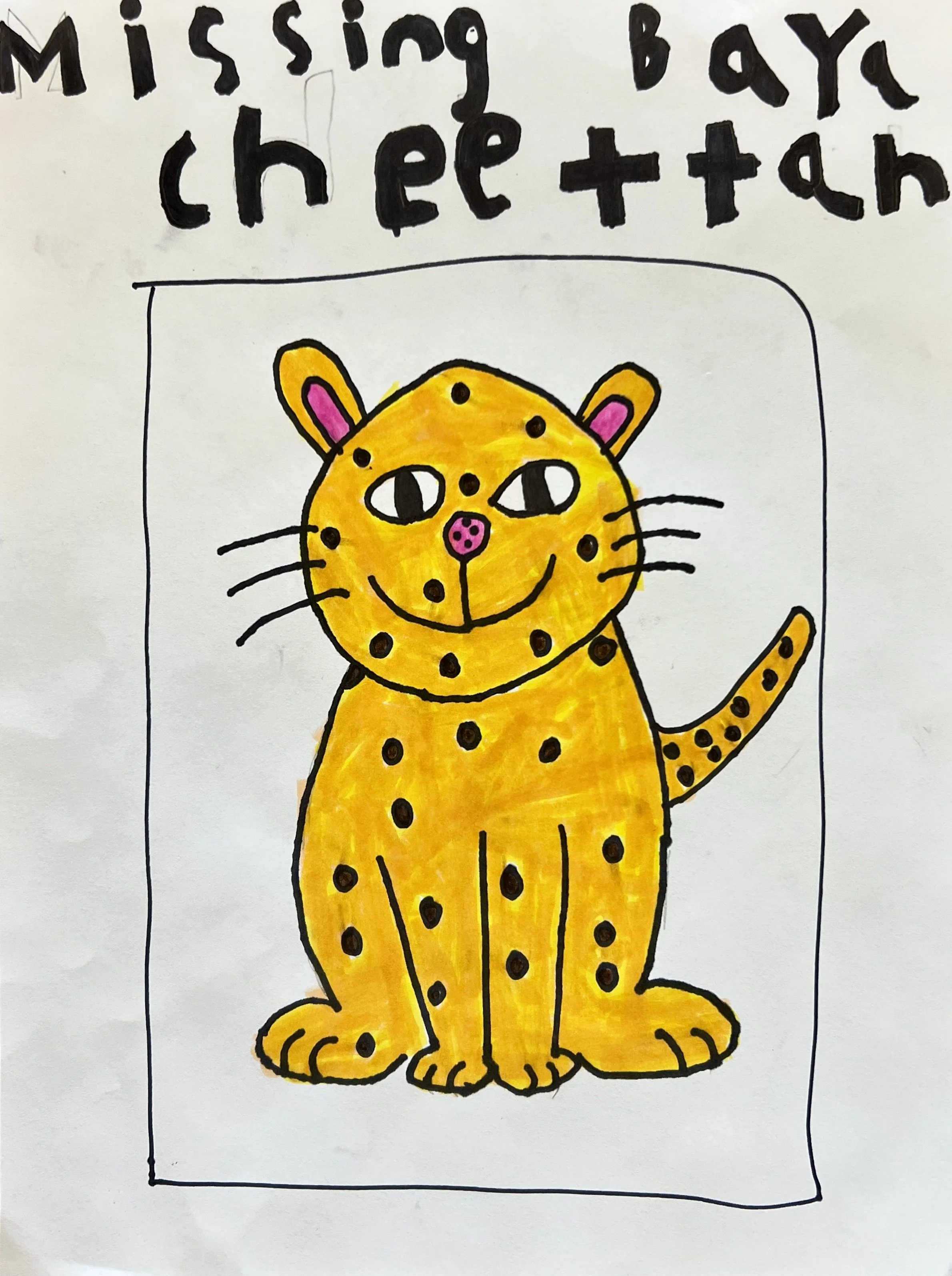
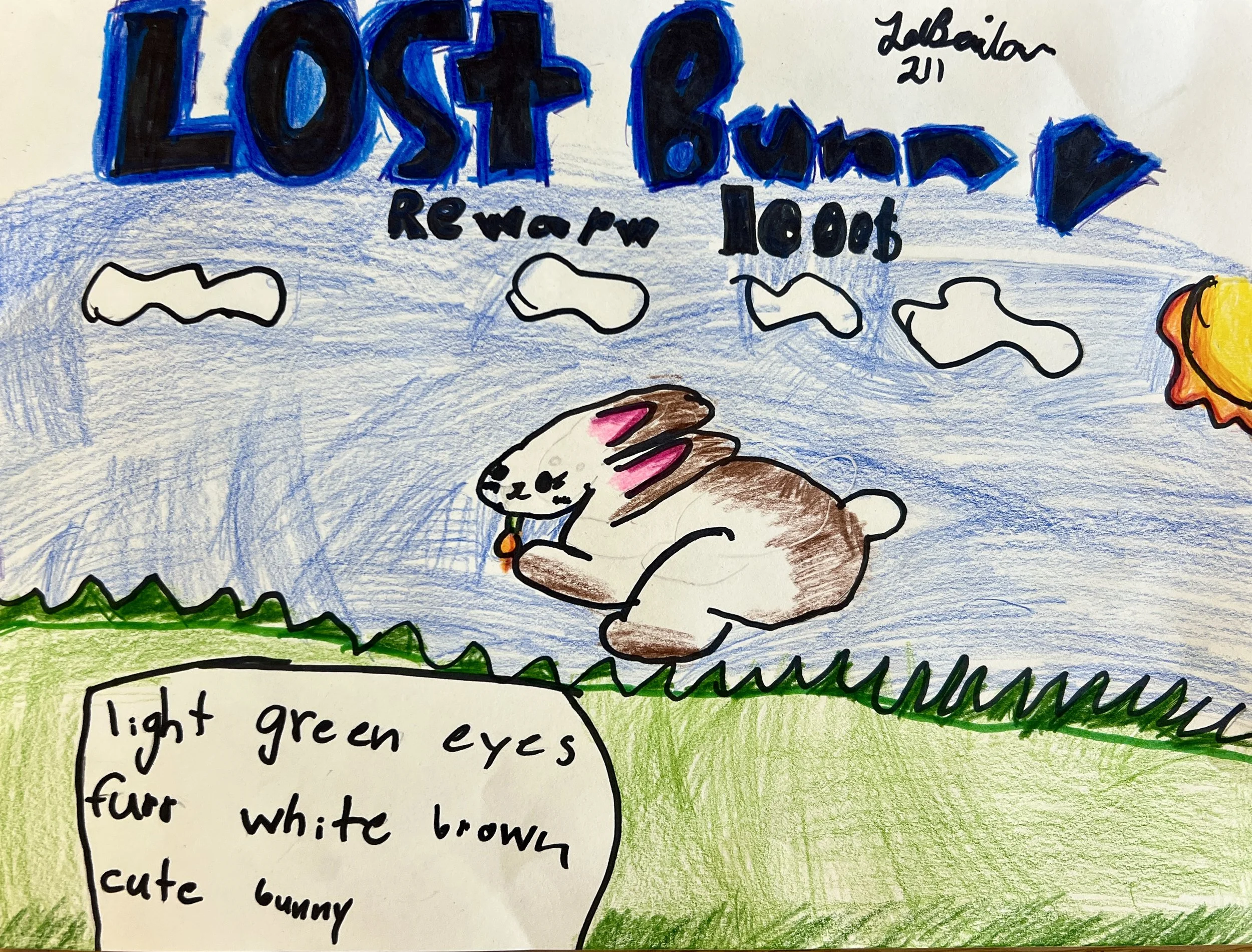
Lower elementary students will design a missing pet poster for an imagined animal, using an assortment of drawing utensils and watercolors. They will invent or depict any animal, consider its description and how it might navigate its way home, and create their poster. They will also be introduced to the work of Japanese artists Wakyosai, Nakayama Tadashi, Inagaki Tomoo, and Azechi Umetaro.
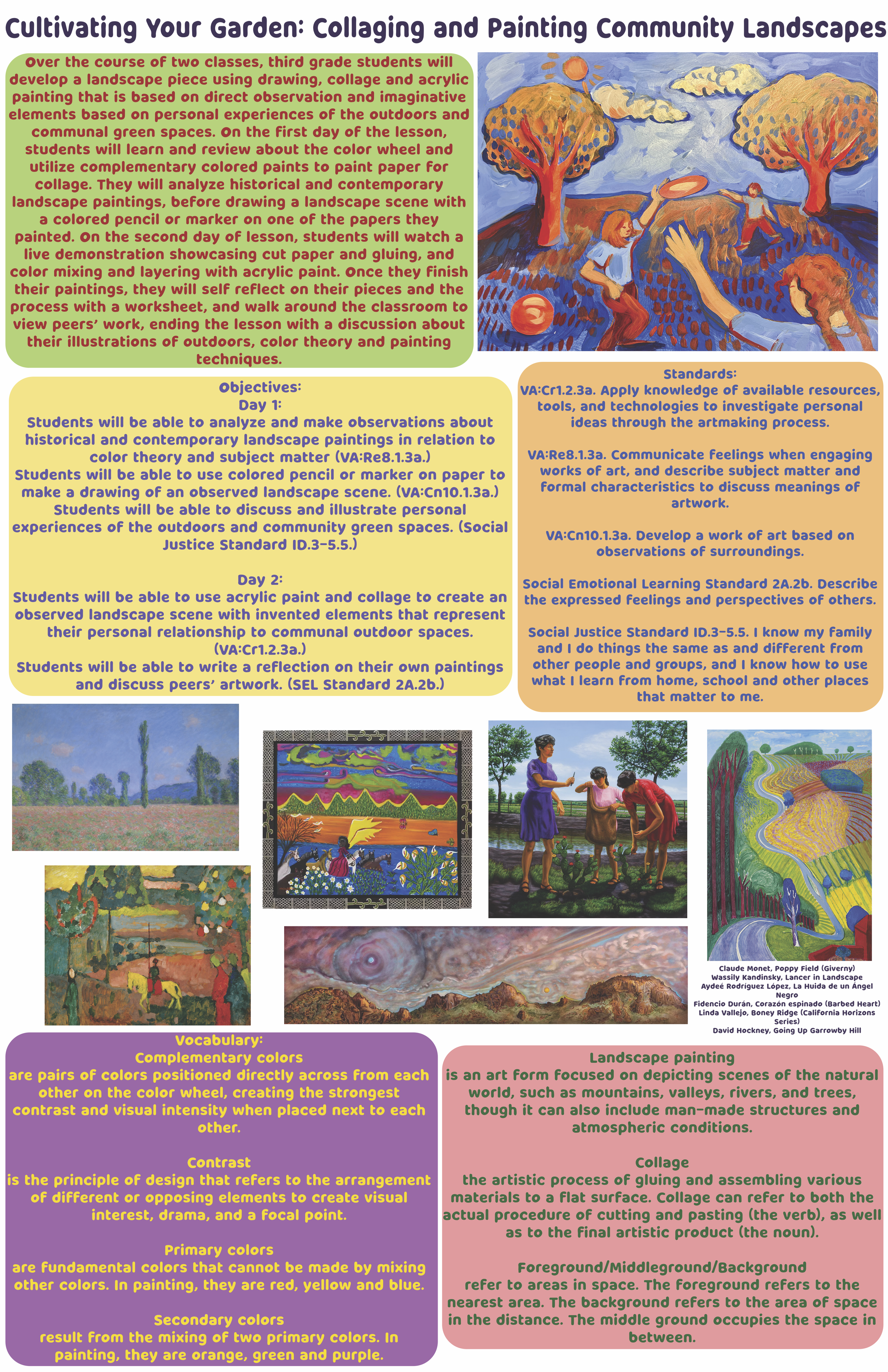
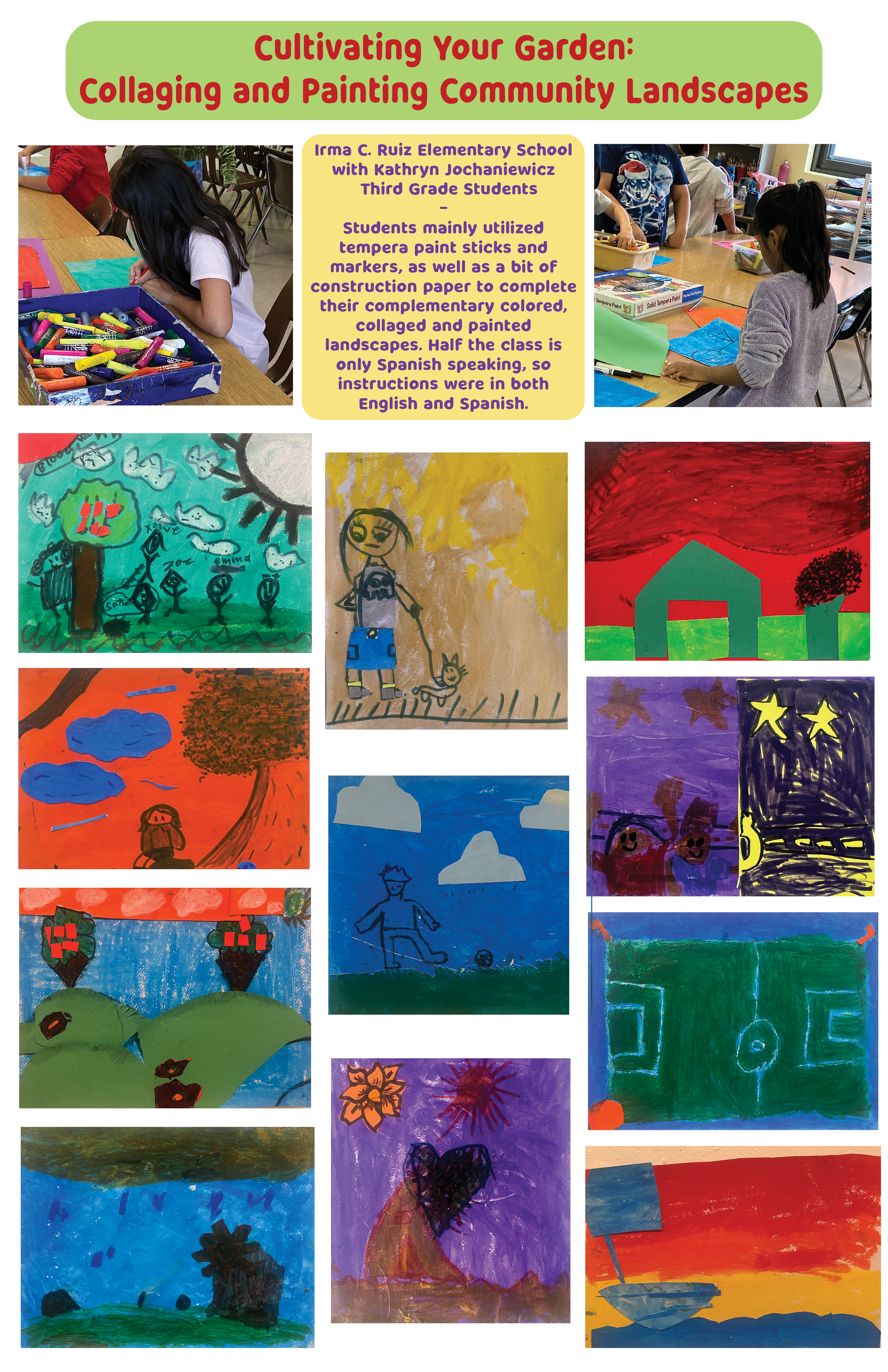
Cultivating Your Garden: Collaging and Painting Community Landscapes
Two Day Third Grade Lesson Plan taught at Irma C. Ruiz Elementary in CPS
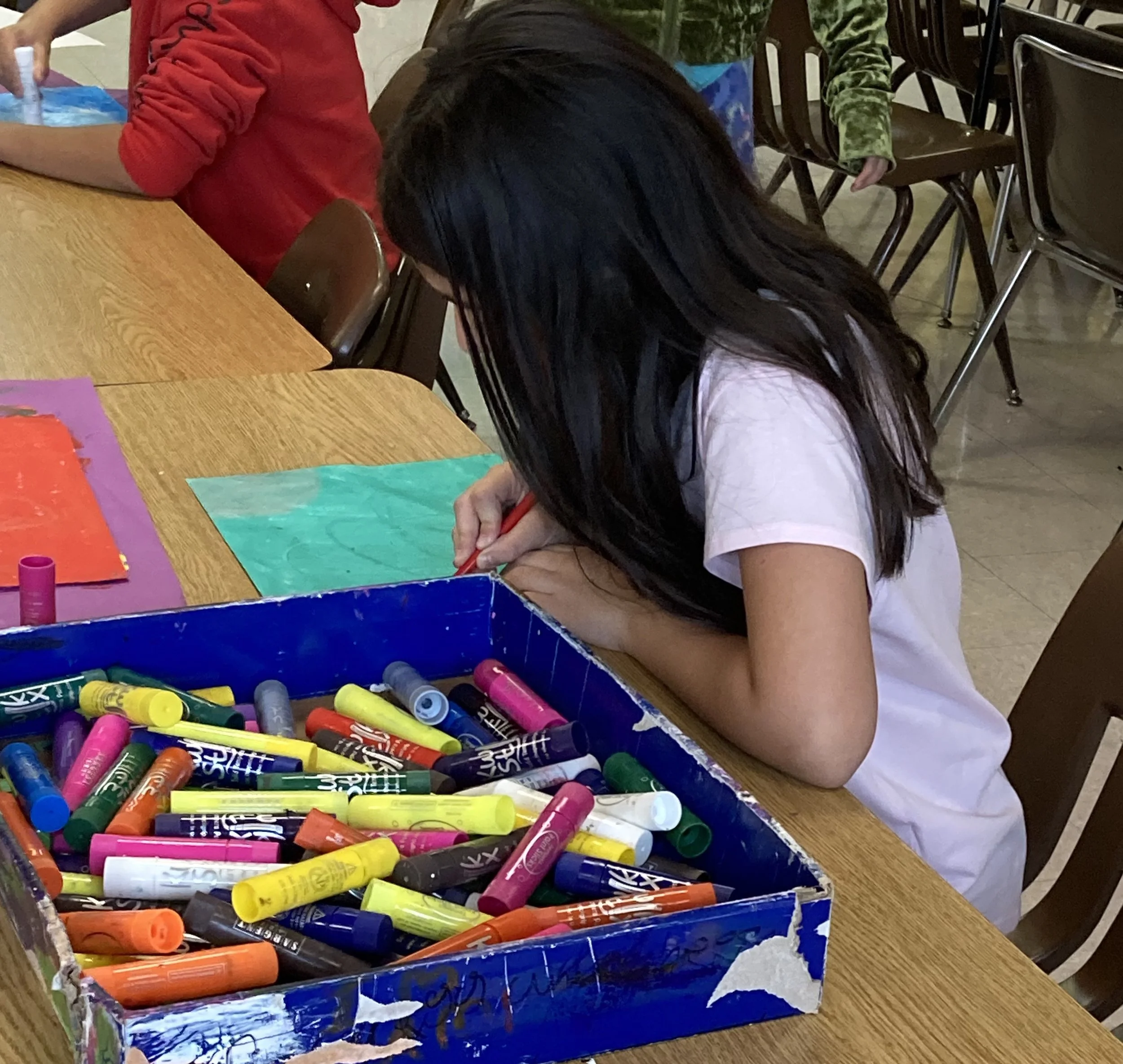
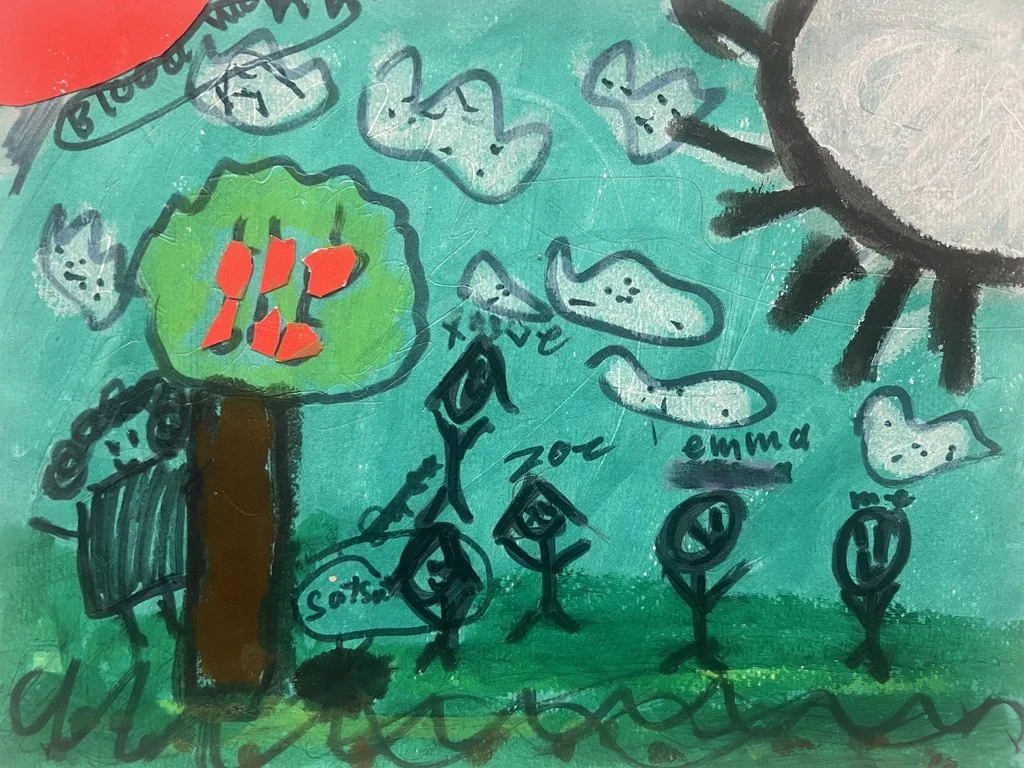
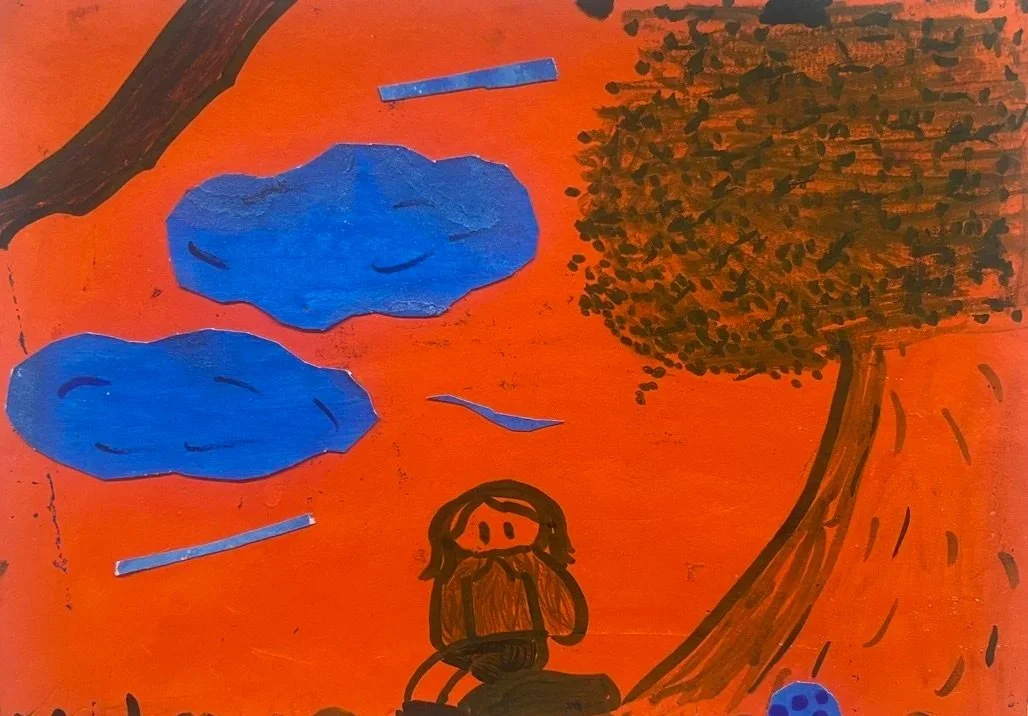
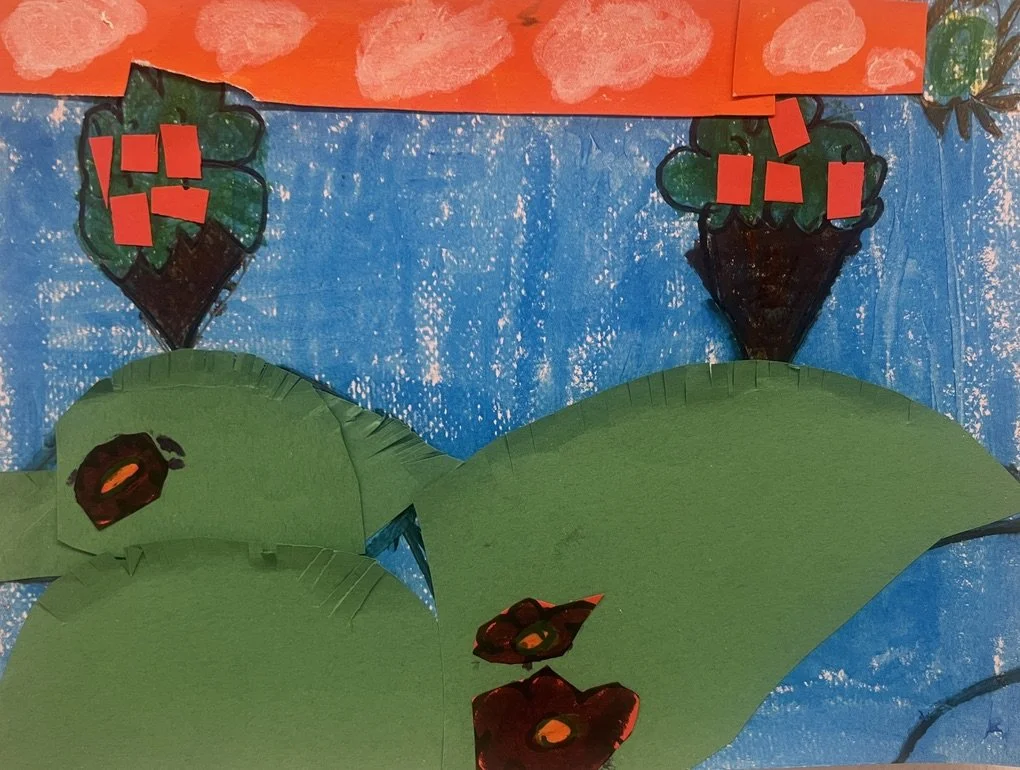
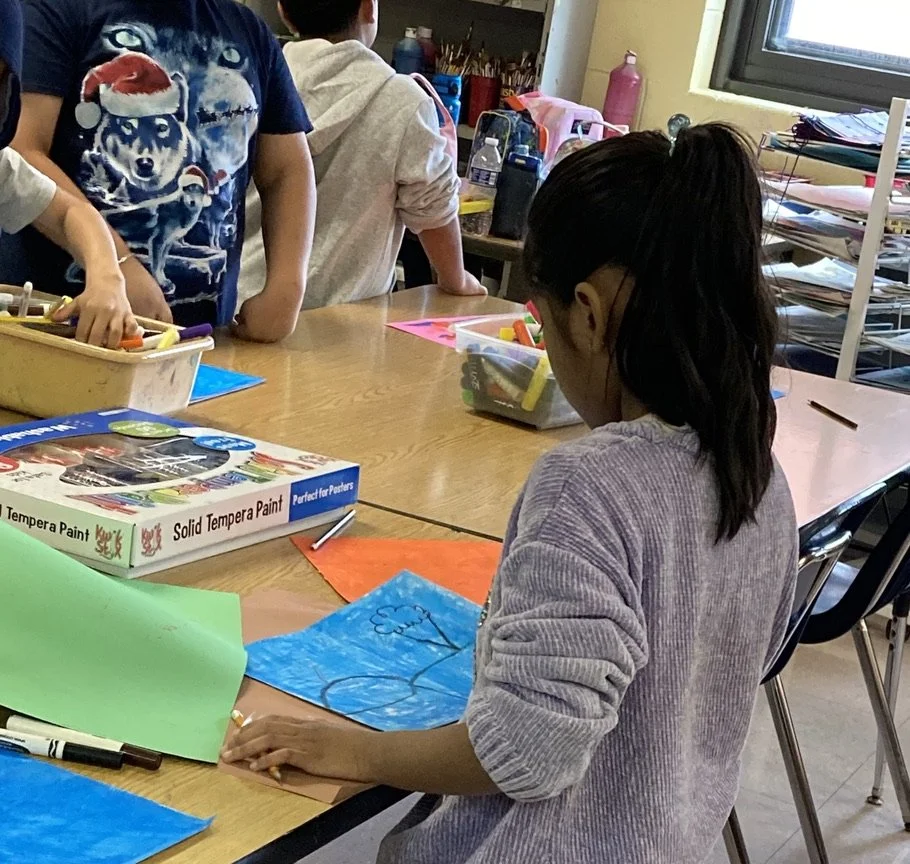
Over the course of two classes, third grade students will develop a landscape piece using drawing, collage and acrylic painting that is based on direct observation and imaginative elements based on personal experiences of the outdoors and communal green spaces. On the first day of the lesson, students will learn and review about the color wheel and utilize complementary colored paints to paint paper for collage. They will analyze historical and contemporary landscape paintings, before drawing a landscape scene with a colored pencil or marker on one of the papers they painted. On the second day of lesson, students will watch a live demonstration showcasing cut paper and gluing, and color mixing and layering with acrylic paint. Once they finish their paintings, they will self reflect on their pieces and the process with a worksheet, and walk around the classroom to view peers’ work, ending the lesson with a discussion about their illustrations of outdoors, color theory and painting techniques.
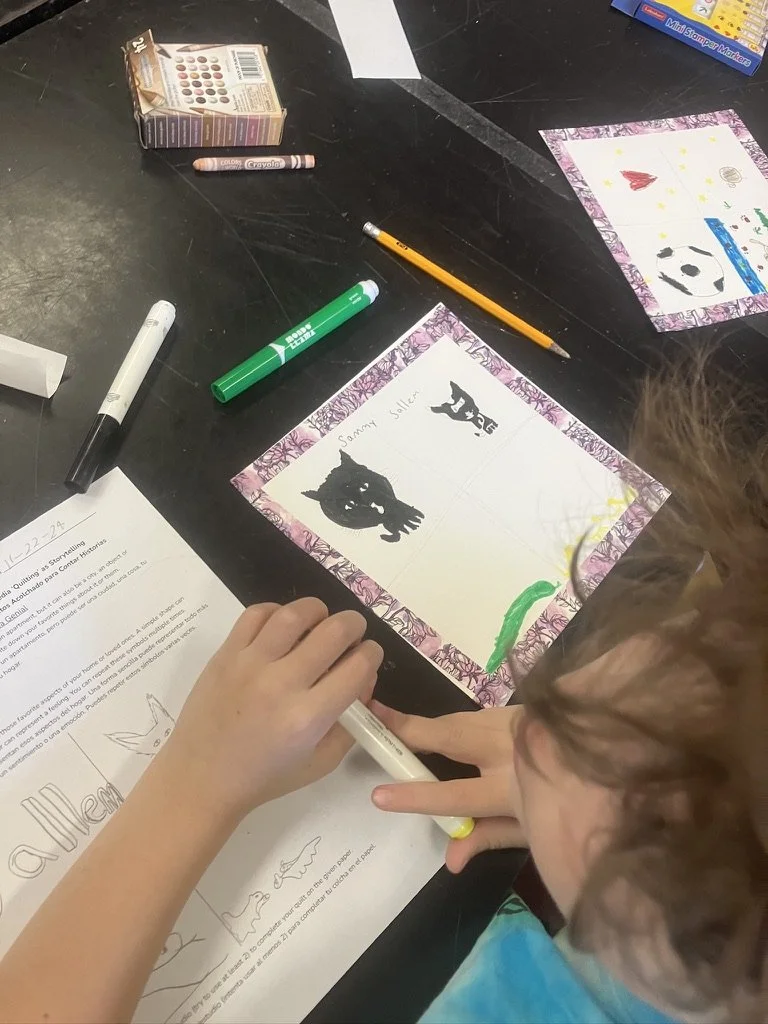
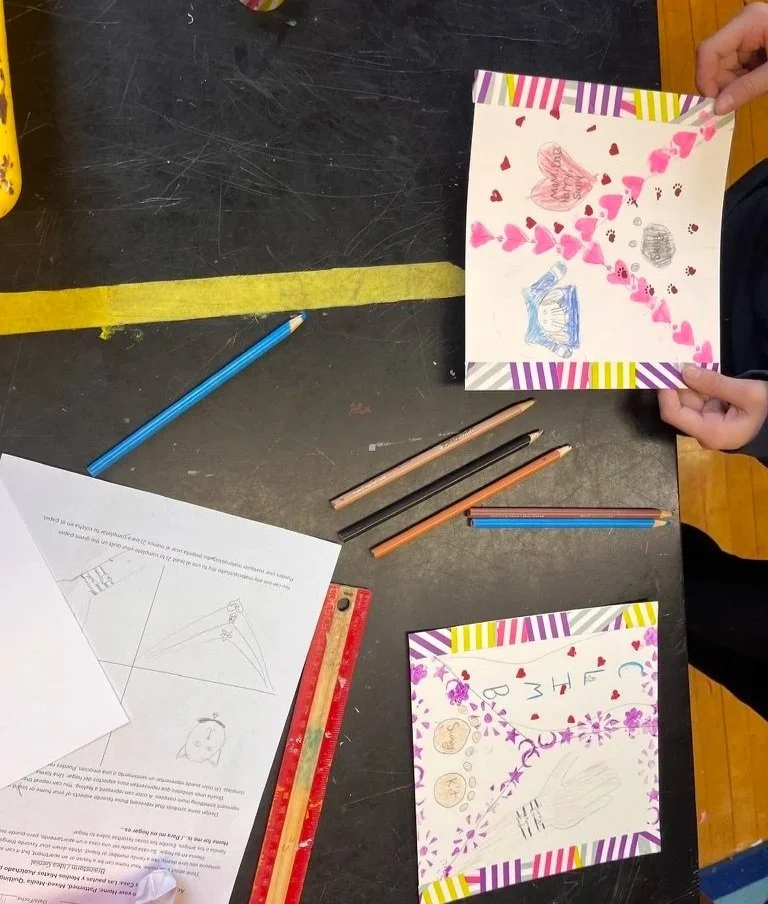
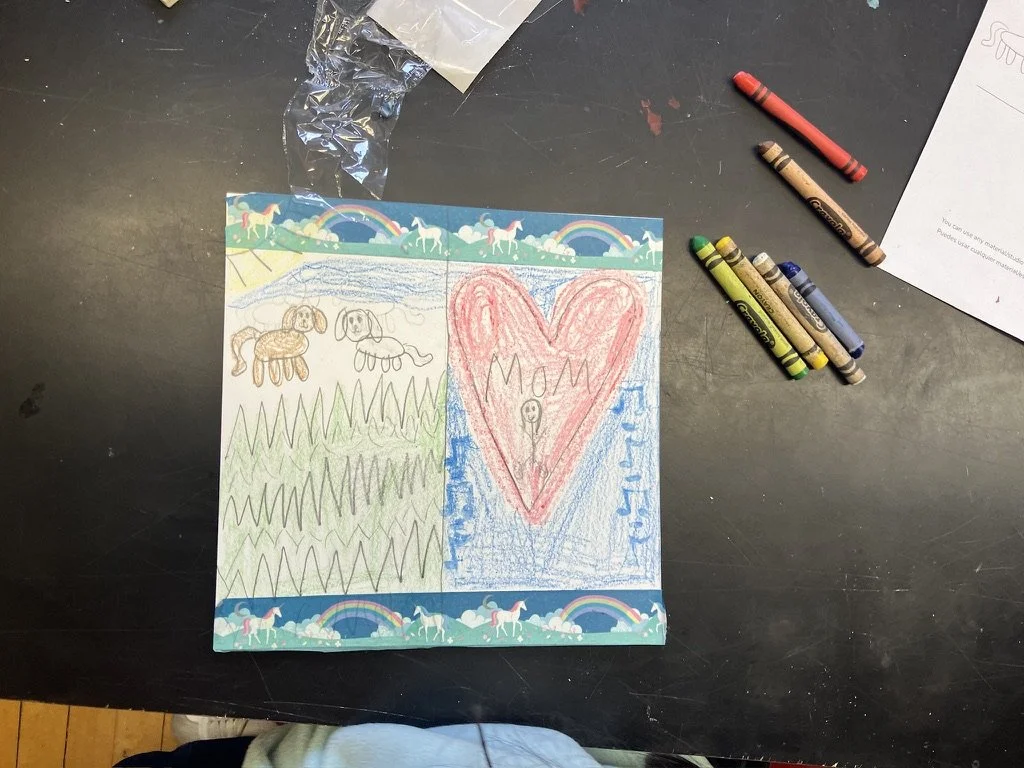
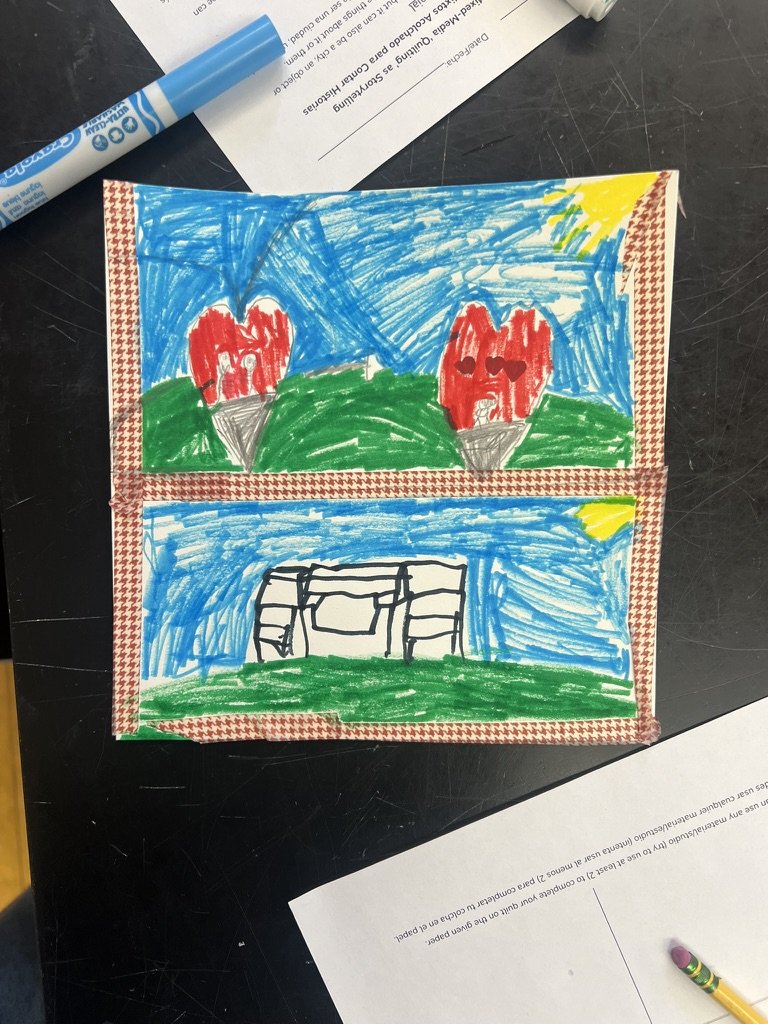
Cuddle Up In Your Home: Patterned, Mixed-Media 'Quilting' as Storytelling
One Day Fourth Grade Lesson Plan taught at Ravenswood Elementary in CPS
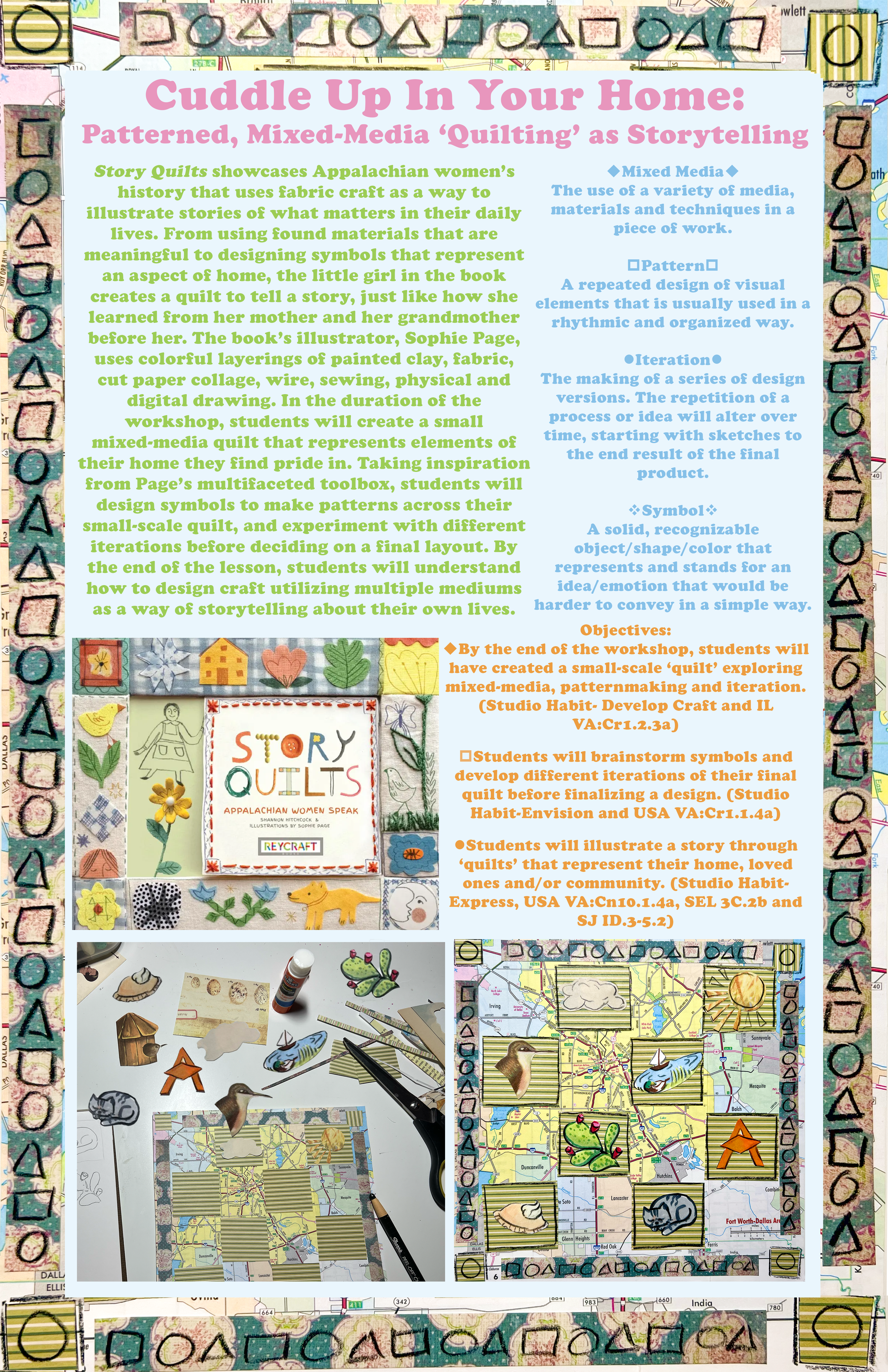
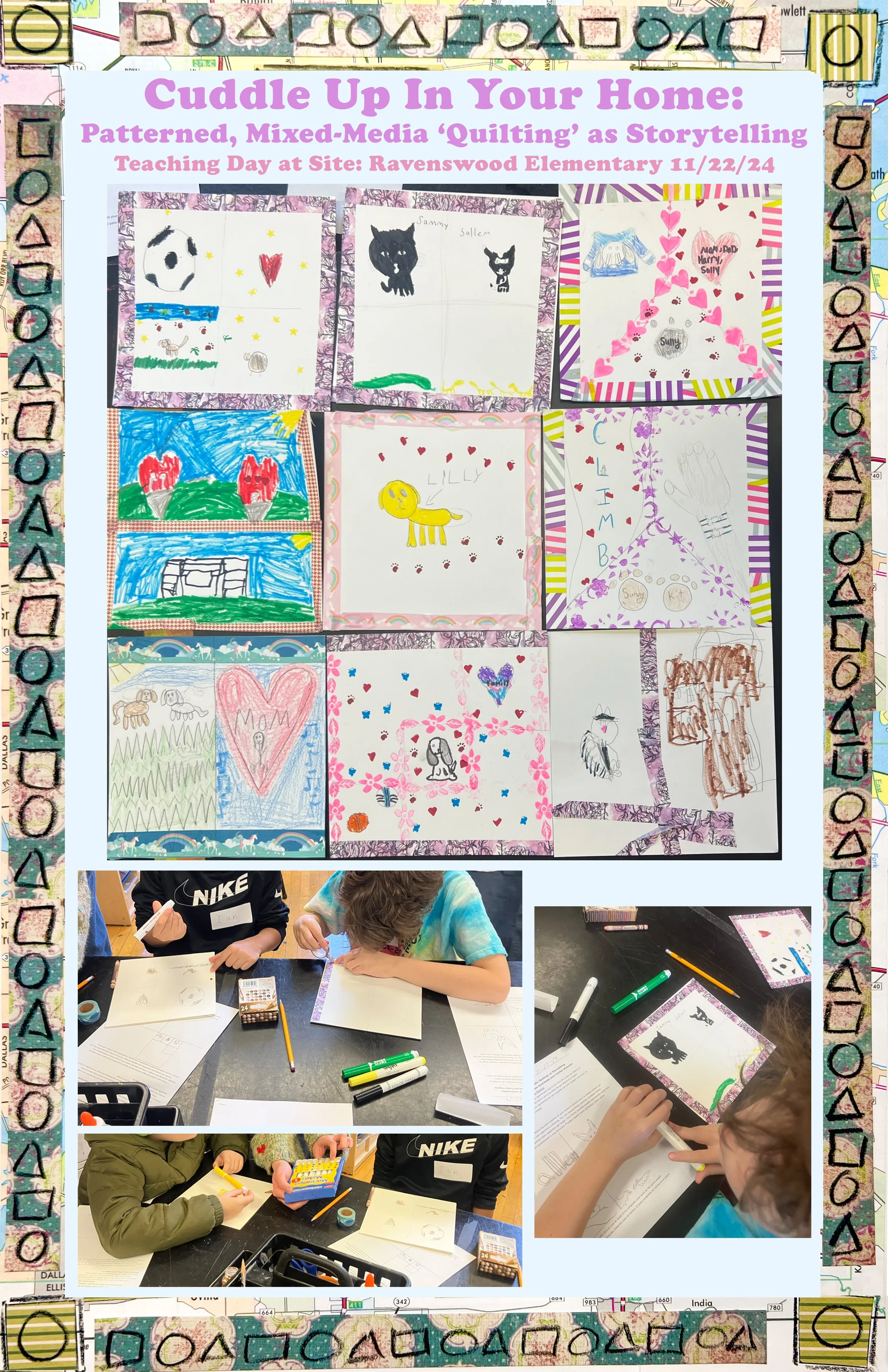
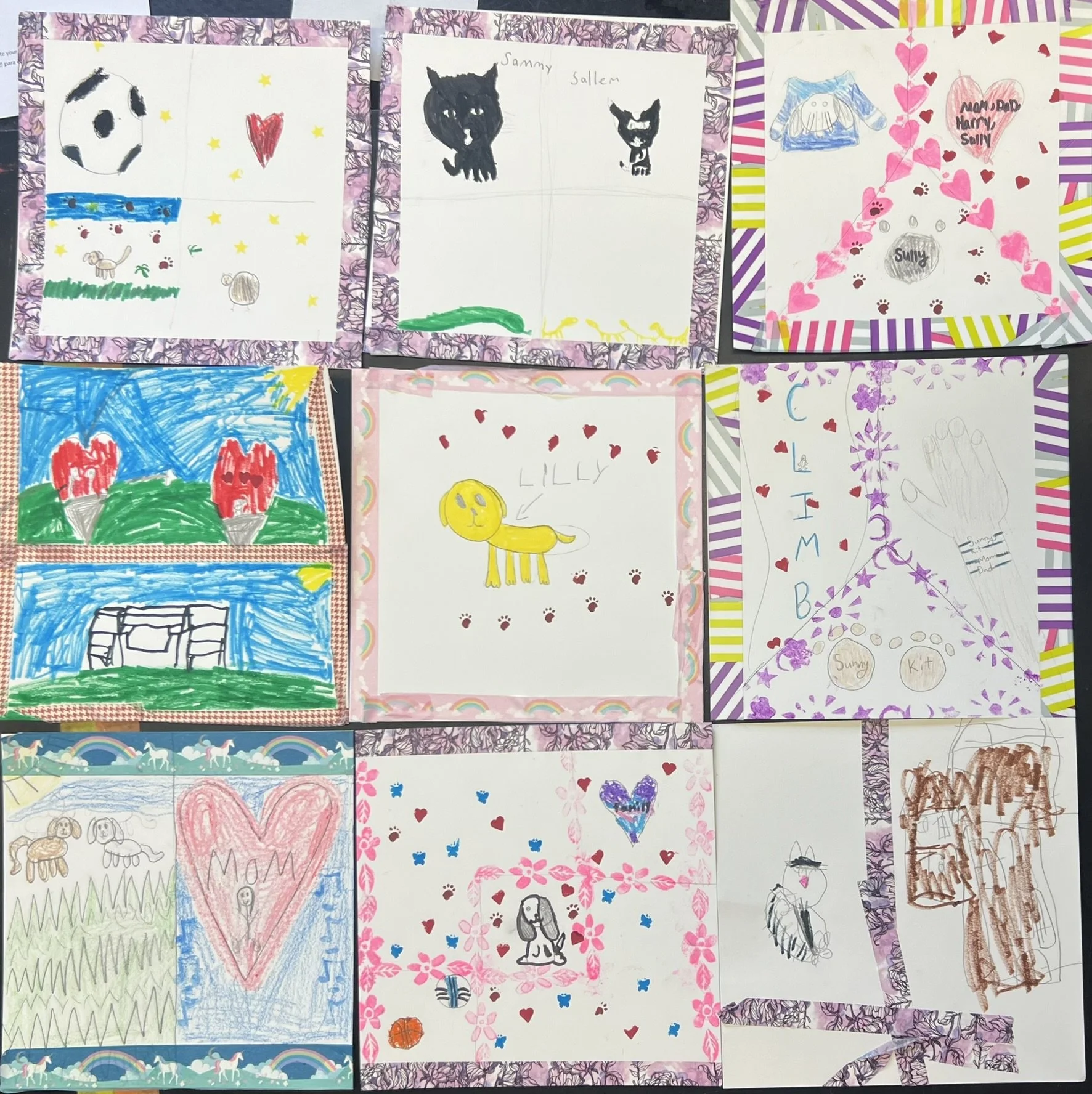
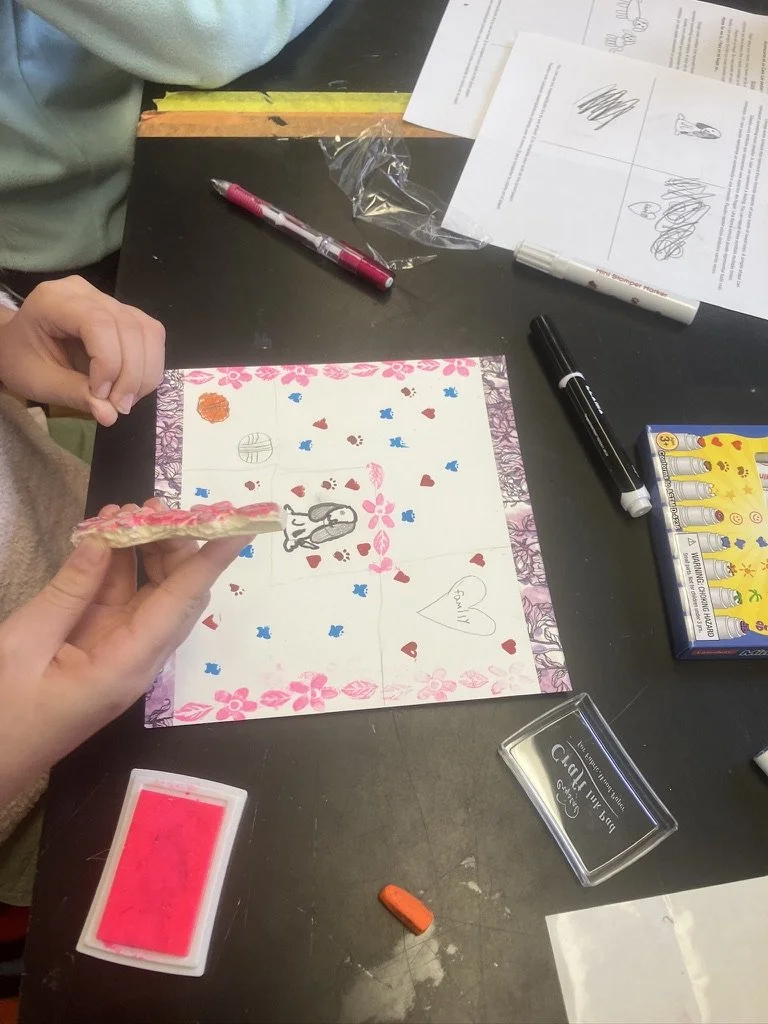
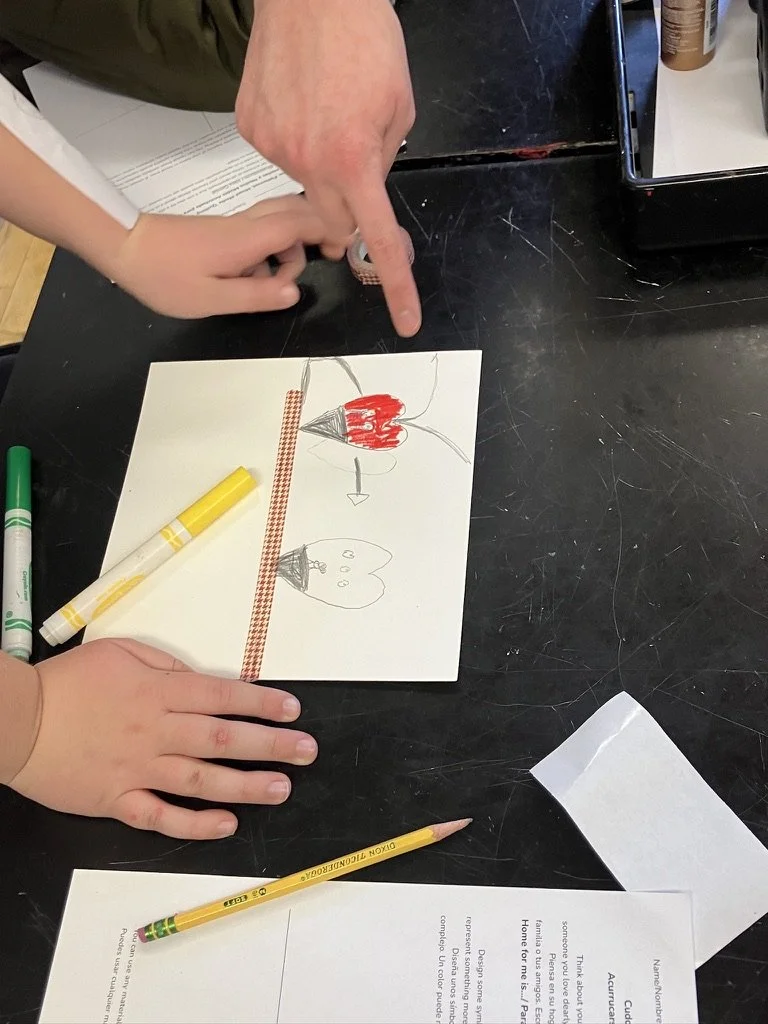
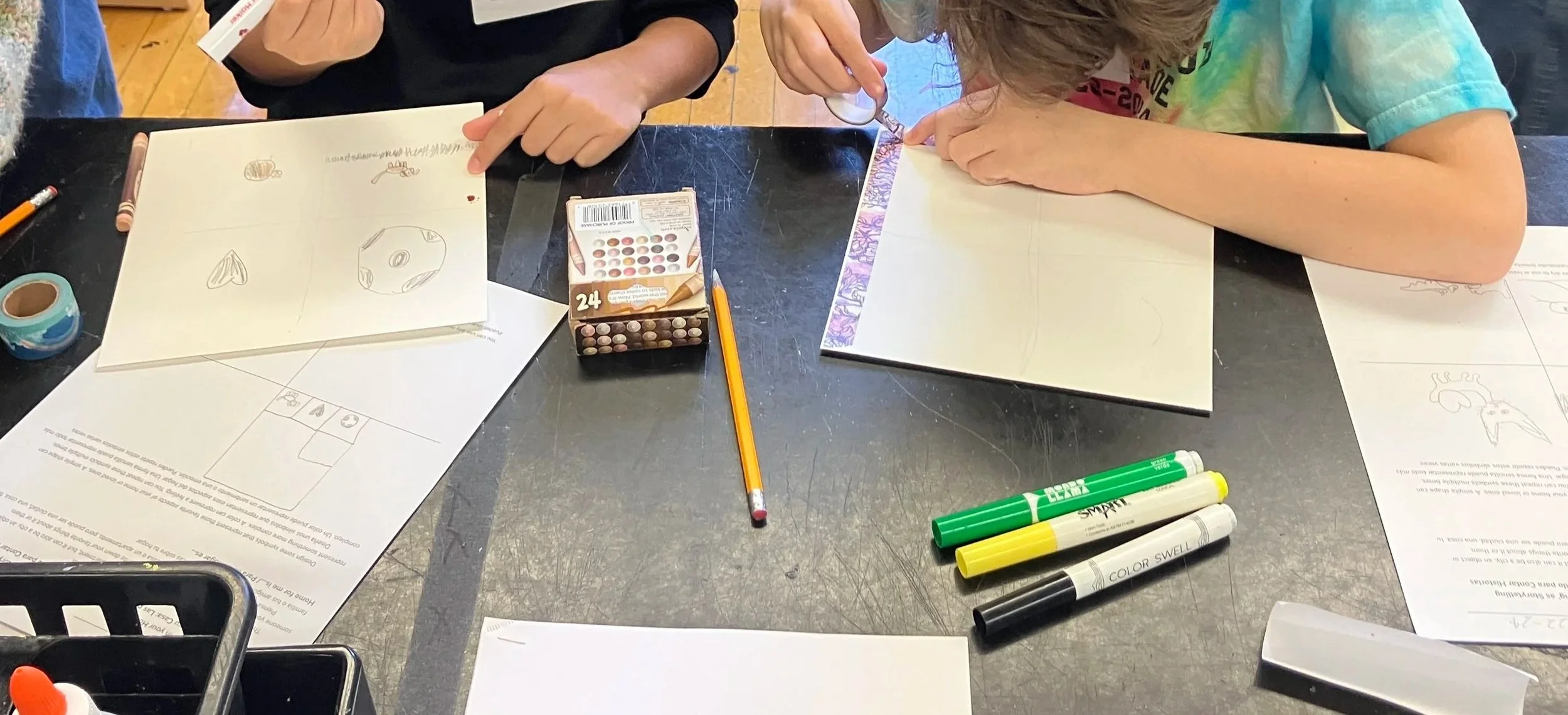
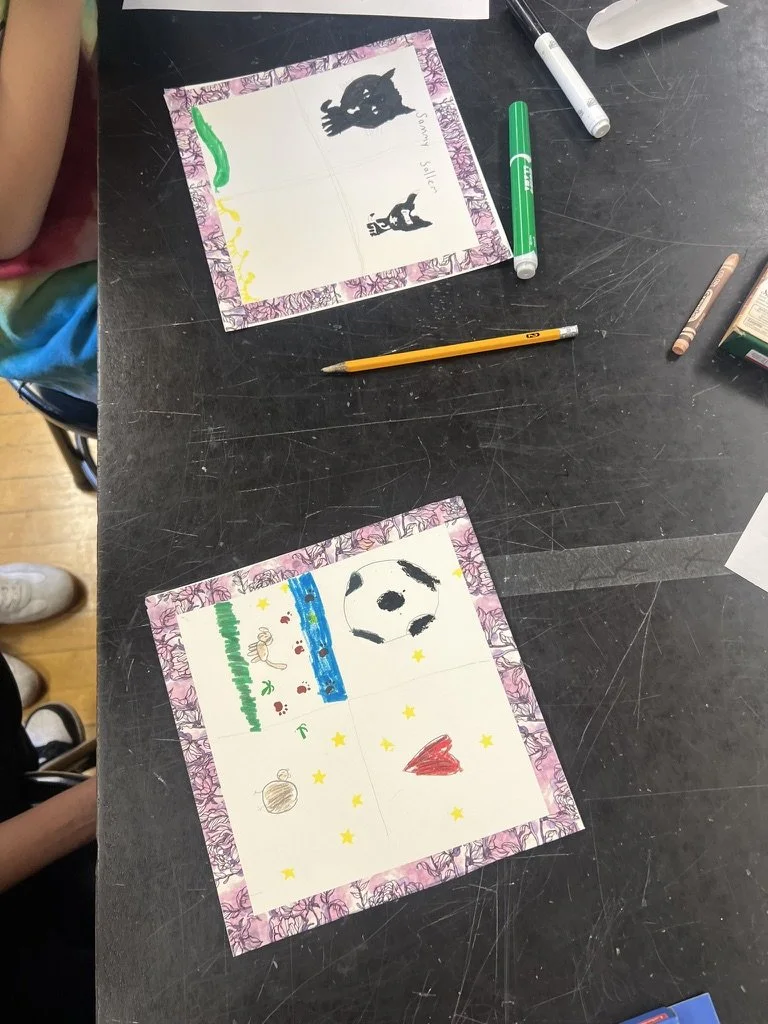
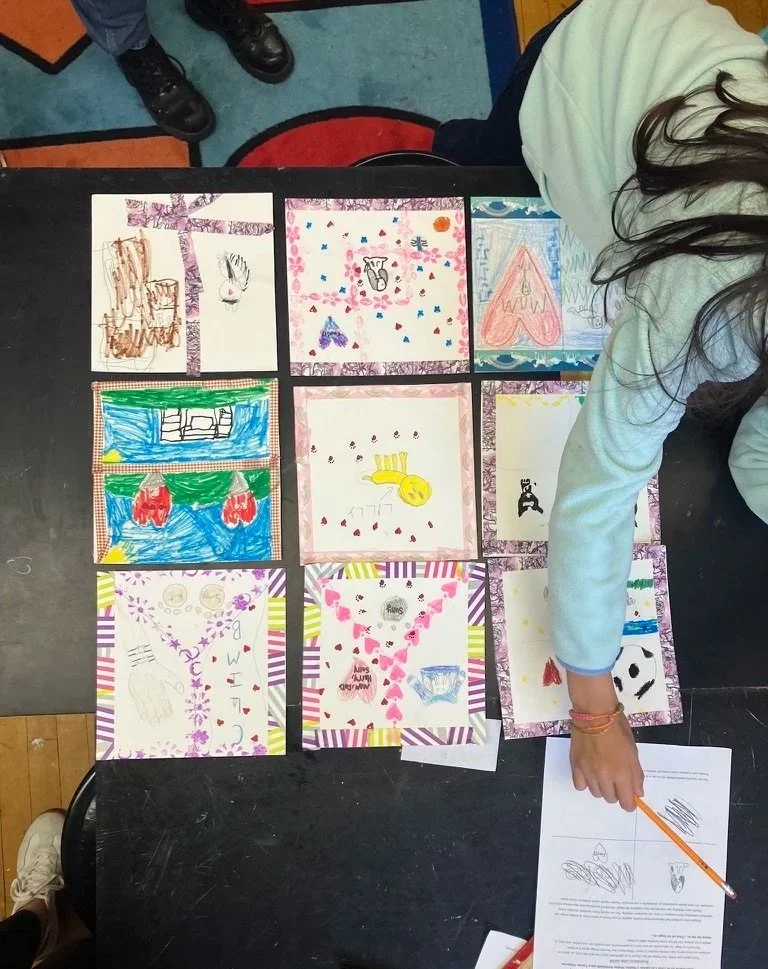
Story Quilts showcases Appalachian women’s history that uses fabric craft as a way to illustrate stories of what matters in their daily lives. From using found materials that are meaningful to designing symbols that represent an aspect of home, the little girl in the book creates a quilt to tell a story, just like how she learned from her mother and her grandmother before her. The book’s illustrator, Sophie Page, uses colorful layerings of painted clay, fabric, cut paper collage, wire, sewing, physical and digital drawing. In the duration of the workshop, students will create a small mixed-media quilt that represents elements of their home they find pride in. Taking inspiration from Page’s multifaceted toolbox, students will design symbols to make patterns across their small-scale quilt, and experiment with different iterations before deciding on a final layout. By the end of the lesson, students will understand how to design craft utilizing multiple mediums as a way of storytelling about their own lives.

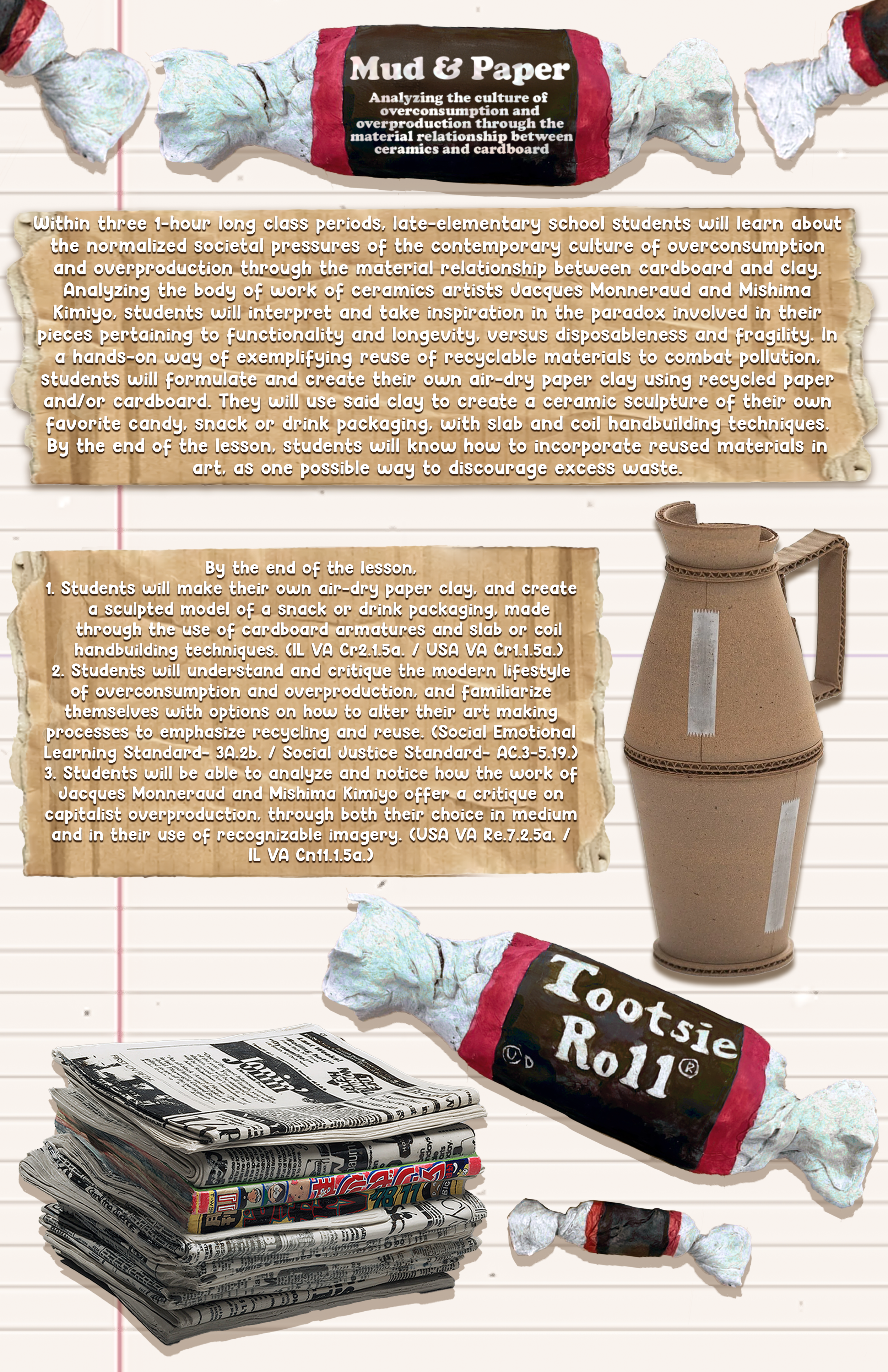
Mud and Paper: Analyzing the Culture of Overconsumption and Overproduction through the Material Relationship between Ceramics and Cardboard
Three Day Fifth Grade Lesson Plan
Within three 1-hour long class periods, late-elementary school students will learn about the normalized societal pressures of the contemporary culture of overconsumption and overproduction through the material relationship between cardboard and clay. Analyzing the body of work of ceramics artists Jacques Monneraud and Mishima Kimiyo, students will interpret and take inspiration in the paradox involved in their pieces pertaining to functionality and longevity, versus disposableness and fragility. In a hands-on way of exemplifying reuse of recyclable materials to combat pollution, students will formulate and create their own air-dry paper clay using recycled paper and/or cardboard. They will use said clay to create a ceramic sculpture of their own favorite candy, snack or drink packaging, with slab and coil handbuilding techniques. By the end of the lesson, students will know how to incorporate reused materials in art, as one possible way to discourage excess waste.